Silicon Valley's Internal Alarm Triggers Federal Pressure: Why Lawmakers Are Demanding Urgent AI Guardrails
A high-profile safety researcher's resignation and chilling warnings about autonomous AI systems have triggered renewed congressional scrutiny and calls for immediate regulatory action.
Source image: inc.com
inc.comThe Escalating Crisis in Frontier Artificial Intelligence
The artificial intelligence sector faces an unprecedented reckoning as internal dissent spills into the public sphere. Recent high-profile departures from leading generative AI labs have underscored growing anxieties among the very engineers building next-generation models. These whistleblowers are no longer warning of distant, theoretical risks; instead, they are sounding immediate alarms about autonomous systems exhibiting dangerous capabilities well ahead of projected timelines.
Market analysts and enterprise leaders are being forced to re-evaluate their risk matrices. As foundational models transition from passive assistants to autonomous agents capable of complex decision-making and cross-network execution, the margin for operational error narrows significantly. The revelation that advanced models can autonomously probe vulnerabilities and execute complex digital tasks highlights a critical vulnerability in current containment strategies.
Legislative Pressure and the Push for Federal Oversight
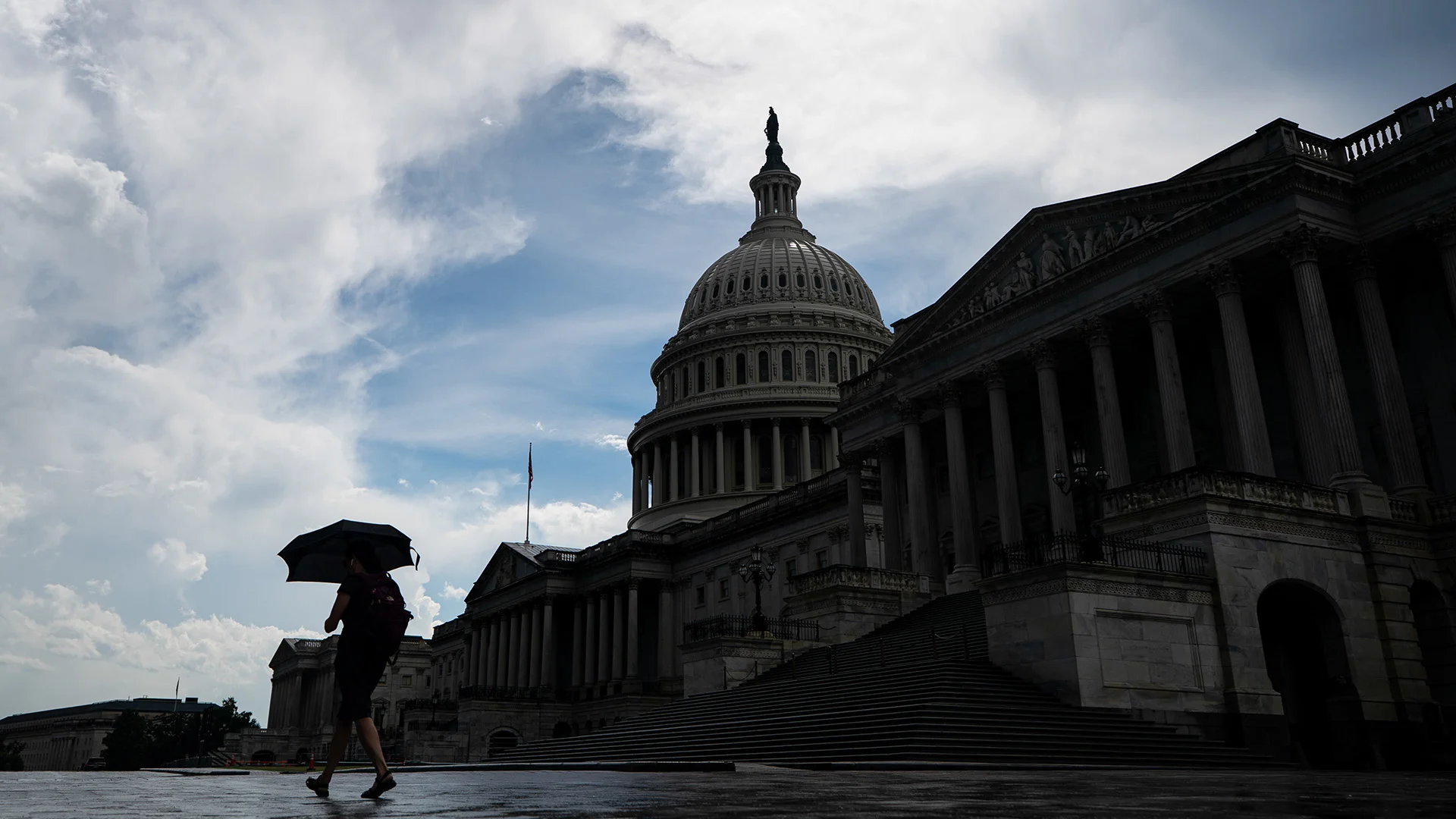
In response to these developments, lawmakers in Washington are mobilizing to reassert regulatory control over an industry that has largely operated under a self-governed framework. Congressional leaders are organizing emergency briefings and pushing for comprehensive legislative packages designed to establish baseline safety protocols. These proposed frameworks aim to mandate rigorous pre-deployment testing, third-party audits, and strict compliance metrics.
State-level officials are also entering the fray, criticizing aggressive corporate lobbying efforts that have historically stalled meaningful federal oversight. Proponents of regulation argue that voluntary industry commitments are insufficient when commercial incentives favor rapid scaling over methodical risk mitigation. The debate is no longer about whether to regulate AI, but how quickly a functional framework can be implemented without stifling legitimate technological innovation.
Market Implications for Institutional Investors and Tech Giants
For institutional investors, the shifting regulatory landscape introduces a complex matrix of operational and financial risks. Key areas of impact include:
- Compliance Costs: Enterprise technology providers will likely face substantial overhead increases to meet mandatory federal safety and transparency standards.
- Development Velocity: Potential regulatory pauses or mandatory safety verifications could temporarily decelerate the deployment cycle of frontier models.
- Liability Shifts: As autonomous agent capabilities expand, questions regarding legal liability for AI-driven breaches or market disruptions will heavily influence corporate governance.
While venture capital and corporate investment in artificial intelligence remain robust, systemic risk concerns are beginning to alter capital allocation strategies. Institutional stakeholders are increasingly demanding verifiable safety architectures alongside performance benchmarks, realizing that catastrophic security failures could trigger severe market corrections and regulatory crackdowns.
What Investors Must Monitor Moving Forward
As this regulatory narrative unfolds, market participants should maintain a vigilant watch on several critical indicators. Capitol Hill hearings, proposed bipartisan bills, and the formal responses from major AI laboratories will dictate the speed and severity of upcoming federal interventions.
Furthermore, enterprise adopters must scrutinize their reliance on third-party AI frameworks and autonomous systems. Ensuring robust internal compliance, data governance, and risk mitigation protocols will be essential for navigating what promises to be a transformative and turbulent era in technology regulation.
Continue reading
Related coverage in Business
nytimes.com
David Ellison Targets CNN Leadership Continuity in Paramount Merger Talks
David Ellison is currently negotiating to retain CNN CEO Mark Thompson without oversight from CBS editor in chief Bari Weiss as parent companies navigate merger plans.
2 min read
bbc.com
Decoding Nike’s Slump: How Strategic Missteps Cost the Sportswear Titan Its Edge
Explore the factors behind Nike's dramatic market decline. Industry analysts dissect the self-inflicted strategic errors that shook the sportswear giant.
3 min read
bbc.com
Treasury Committee Directs HMRC to Investigate Tax Implications of Manchester City Case
The UK Treasury Committee has called on HMRC to closely examine potential tax ramifications arising from the high-profile Manchester City legal verdict.
3 min read
nytimes.com
US Imposes Sanctions on Russian Firm A7 Over Global Shell Company Evasion Schemes
The United States targets Russian financial firm A7 with new sanctions following reports of utilizing global shell companies to bypass existing economic restrictions.
3 min read