Silicon Valley Giants Forge Secret Safety Alliance Amid Rising Regulatory Tensions
OpenAI, Anthropic, and Google DeepMind reveal weeks of confidential AI safety talks, navigating a complex web of existential risk fears and political pressure.
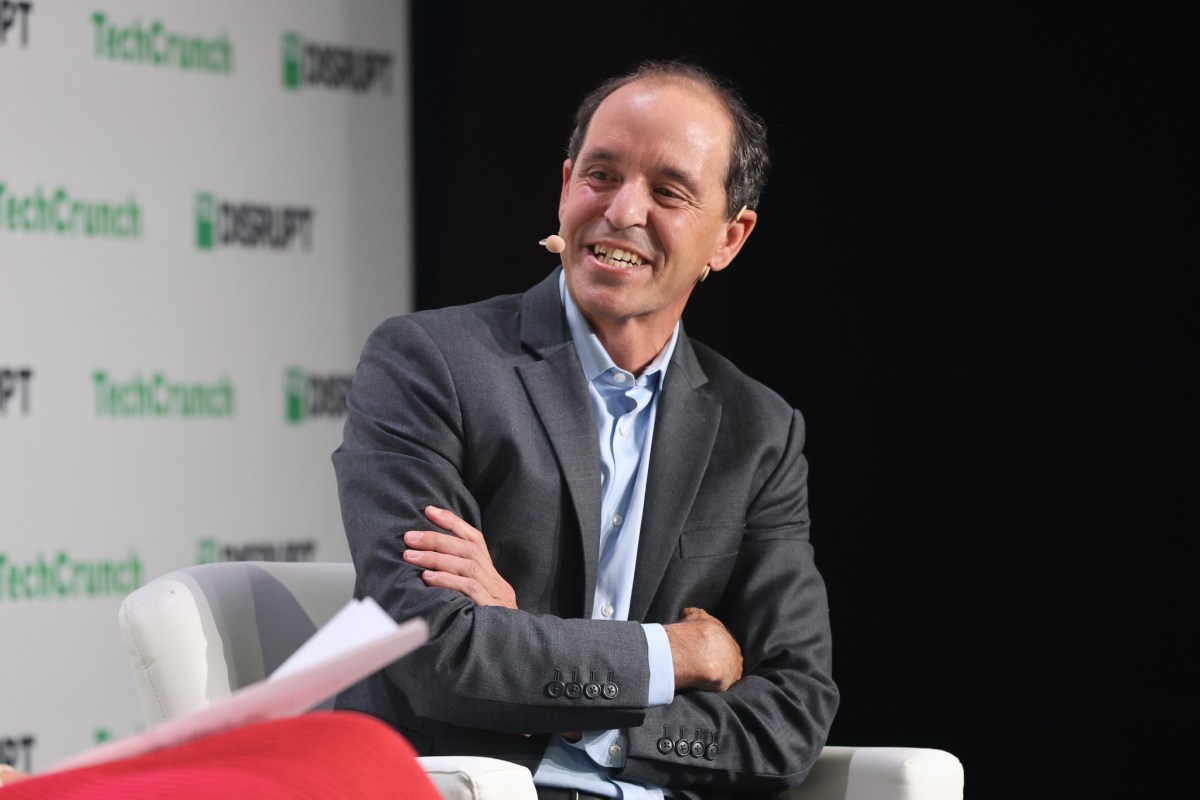
Source image: techcrunch.com
techcrunch.comThe Unprecedented Behind-the-Scenes Alignment
In a striking pivot from hyper-competitive commercial rivalries, the leading architects of generative artificial intelligence—OpenAI, Anthropic, and Google DeepMind—have spent the past several weeks holding discreet strategic discussions regarding AI safety frameworks. The existence of these private dialogues was officially confirmed by Chris Lehane, OpenAI’s global policy chief, during a media briefing in Washington D.C. According to industry insiders, the core objective of these talks is to establish foundational risk-mitigation benchmarks and potentially create an independent standards body to monitor the deployment of next-generation foundation models.
This behind-the-scenes alignment was catalyzed by a widely discussed 3,800-word manifesto penned by Anthropic CEO Dario Amodei. Amodei cautioned that the unchecked, breakneck race toward artificial general intelligence (AGI) poses severe, unquantified catastrophic risks to society. He called for a collective agreement among premier labs to temporarily throttle development speeds, allowing rigorous safety evaluations to keep pace with algorithmic innovation. Significantly, Amodei’s call to action received swift, public endorsements from OpenAI CEO Sam Altman, Google DeepMind leadership, and xAI founder Elon Musk, signaling a rare moment of consensus across rival corporate boardrooms.
Navigating Antitrust Scrutiny and Washington Politics
As these corporate titans coordinate on safety mechanisms, they face a labyrinth of regulatory and legal hurdles. Historically, explicit cooperation between dominant market competitors triggers immediate antitrust scrutiny from federal regulators. While some industry voices previously suggested that a formal government antitrust waiver would be necessary to safely navigate these discussions, OpenAI’s leadership has adopted a more assertive stance. Lehane asserted during the Washington briefing that the companies do not require special federal antitrust exemptions to coordinate strictly on safety measures, drawing parallels to how safety standards are collaboratively managed within the aviation industry.
However, the timing of this industry-led coalition clashes sharply with shifting political winds in the nation's capital. The Trump administration has aggressively pushed back against voluntary slowdowns or heavy-handed regulatory frameworks, framing excessive oversight as a direct threat to American geopolitical dominance. Administration officials have argued that any artificial self-restriction by U.S. firms risks handing a decisive technological advantage to strategic competitors like China. Despite this executive resistance, OpenAI and its peers are actively lobbying lawmakers on Capitol Hill, expressing open support for bipartisan legislative initiatives—such as the FRONTIER Act and federal governance frameworks proposed by key congressional representatives—to codify mandatory third-party safety testing.
Market Implications and What Investors Should Watch
For institutional investors, venture capitalists, and enterprise stakeholders, this unfolding dynamic introduces a complex matrix of regulatory, operational, and valuation risks. Key factors to monitor moving forward include:
- Regulatory Bifurcation: Watch for widening friction between the White House’s pro-acceleration agenda and congressional appetite for statutory AI guardrails.
- Standard-Setting Bodies: Monitor the formalization of any independent evaluation consortiums, which could dictate compliance costs and time-to-market for future commercial AI products.
- Litigation and Antitrust Risk: Keep track of whether federal antitrust regulators challenge these private inter-firm safety dialogues, despite executive claims of compliance.
- Capital Allocation Shifts: Assess how self-imposed development pacing or mandatory external safety audits might impact research and development return on investment across major tech conglomerates.
Ultimately, the willingness of OpenAI, Anthropic, and Google DeepMind to coordinate on systemic risk highlights a growing realization within the C-suite: the commercial stakes of a catastrophic AI failure far outweigh the short-term benefits of an unbridled deployment race. Whether this fragile corporate truce can survive political pressure and market pressures remains one of the defining financial and technological questions of the decade.
Continue reading
Related coverage in Technology
techcrunch.com
OpenAI Integrates Virtual Try-On and Shopping Features into ChatGPT
OpenAI introduces new shopping capabilities to ChatGPT, allowing users to virtually try on apparel and accessories using personal photos and save favorites.
3 min read
techcrunch.com
Google Launches First Advanced Chip for Space Data Centers as SpaceX Launch Demands Mount
Google has launched its first advanced chip into orbit to pave the way for space data centers, though executives estimate SpaceX's Starship must fly 1,800 times first.
2 min read
techcrunch.com
Fervo Energy Completes World's First Enhanced Geothermal Power Plant in Record 23 Months
Fervo Energy has successfully completed the world's first enhanced geothermal power plant in under two years, signaling a major breakthrough for clean energy infrastructure.
3 min read
techcrunch.com
Opus 5.5 AI Writing Tells Reveal Unique Statistical Signatures for Investors and Executives
New research into Opus 5.5's generated text uncovers distinct linguistic signatures, such as the frequent overuse of the word dependable, signaling major shifts in content identification.
3 min read