Silicon Valley Elite Deploy $50M Political Blitz to Secure U.S. AI Infrastructure Expansion
Prominent tech leaders from OpenAI and Andreessen Horowitz are spearheading a multimillion-dollar advocacy campaign across critical battleground states to accelerate giant AI data center construction.
Source image: inc.com
inc.comThe Convergence of Tech Capital and Electoral Politics
The race to secure physical infrastructure for artificial intelligence has officially entered the political arena. A high-profile advocacy initiative known as Build American AI has launched a sweeping, multimillion-dollar public persuasion campaign aimed squarely at three pivotal U.S. battleground states: Kansas, Ohio, and Wisconsin. Backed by influential figures from Silicon Valley's venture capital and elite AI development circles—including Marc Andreessen, Ben Horowitz, and OpenAI co-founder and President Greg Brockman—the effort is designed to counter mounting local resistance against massive industrial technology developments.
This aggressive initiative operates in tandem with Leading the Future, a major pro-AI super PAC that launched with a formidable financial war chest exceeding $50 million. While tech firms have traditionally focused their lobbying efforts on federal legislation and regulatory compliance, this campaign represents a distinct pivot toward grassroots manipulation and state-level electoral influence. By funding supportive political candidates and waging targeted digital advertising campaigns, tech leaders are signaling that local zoning boards and utility constraints are now existential threats to the scaling of artificial intelligence.
Why Battleground States Are Ground Zero for Compute Capacity
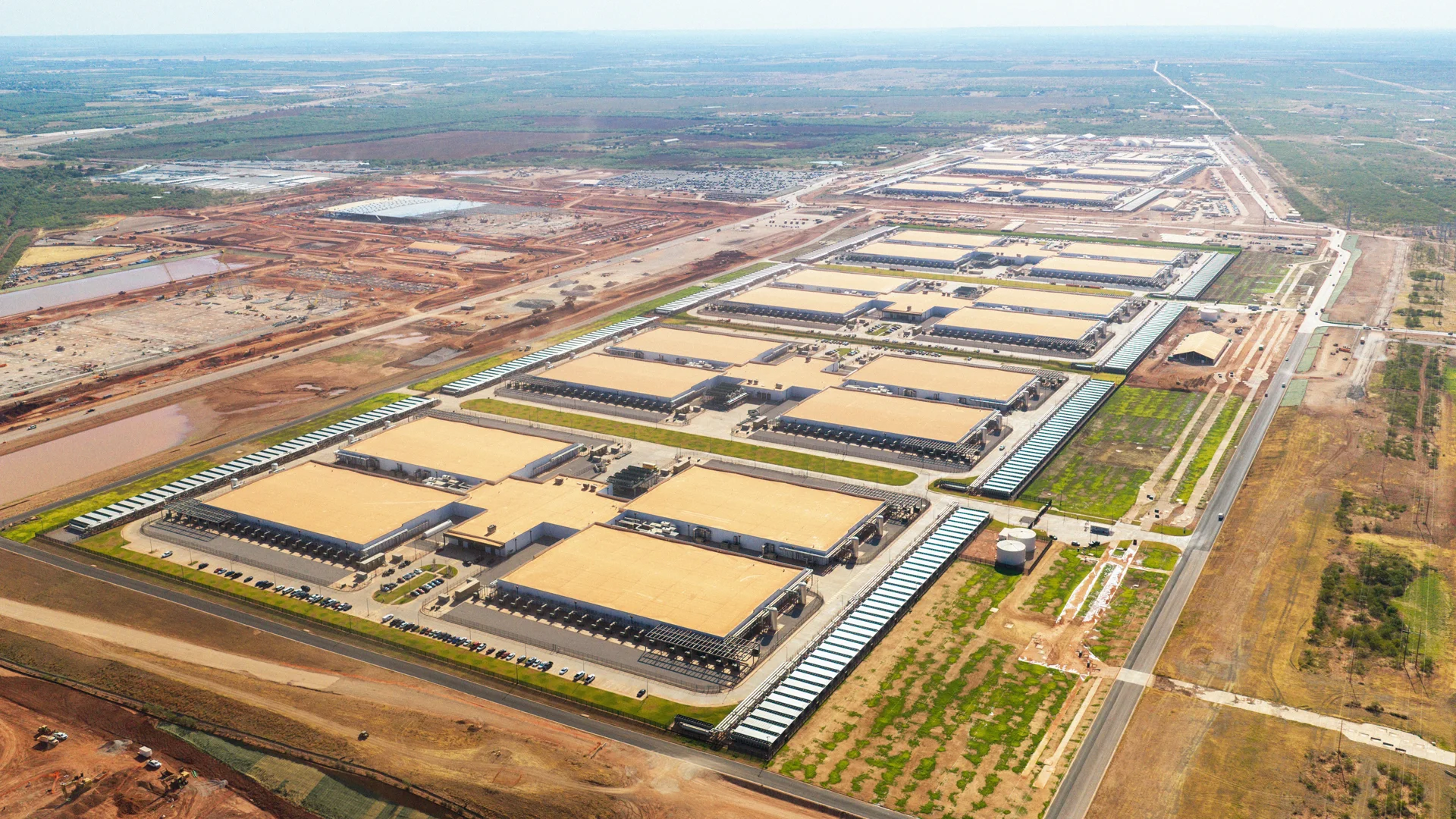
Modern large language models and next-generation neural networks require astronomical amounts of electrical power, advanced liquid cooling systems, and expansive real estate footprints. Consequently, states like Ohio and Wisconsin—which offer strategic geographic advantages and brownfield industrial sites—have quickly transformed into ground zero for data center development. However, this rapid influx has triggered severe community pushback, with local residents raising valid alarms regarding strained electrical grids, surging utility bills, and depleted water resources.
The newly mobilized advocacy group seeks to reframe the narrative by positioning data center construction as a matter of supreme national security and economic competitiveness. Organizers argue that restricting domestic infrastructure deployment hands a definitive geopolitical advantage to foreign adversaries, notably China. Furthermore, the initiative advocates for innovative policy frameworks—such as dedicated computing hubs on federal land powered by corporate-funded energy installations—to shield ordinary households and small businesses from shouldering the financial burden of surging energy consumption.
Market Implications for Institutional Investors and Energy Markets
For institutional investors, venture capitalists, and enterprise executives, the escalation of the data center debate carries profound financial consequences. The bottleneck for artificial intelligence is no longer strictly algorithmic or financial; it is fundamentally physical. With firms like OpenAI and major cloud providers committing hundreds of billions of dollars to capital expenditures, the ability to rapidly secure land and power permits dictates top-line growth and valuation multiples.
- Energy Sector Alignment: Utility providers and independent power producers operating in targeted regions face unprecedented demand spikes, creating compelling tailwinds for grid modernization and alternative energy assets.
- Regulatory Risk Mitigation: State-level political friction can cause multi-year delays, rendering investments in custom silicon and GPU clusters idle. Proactive political spending is an attempt to derisk these massive capital allocations.
- Valuation Impact on Real Estate: Industrial real estate developers specializing in purpose-built, high-density data centers stand to benefit significantly from streamlined regulatory environments.
Strategic Outlook: What Investors Must Monitor Closely
As this multi-state campaign expands ahead of upcoming legislative sessions and electoral cycles, market participants must look beyond software capabilities and scrutinize the underlying infrastructure pipeline. Key indicators to watch include shifts in state utility commission rulings, local municipal zoning amendments, and the broader success rate of pro-infrastructure political candidates backed by Silicon Valley super PACs.
Ultimately, the battle for America's data center capacity will determine whether the projected economic dividends of artificial intelligence can be safely and efficiently realized. Investors who accurately gauge the intersection of public policy, energy economics, and technological ambition will be best positioned to navigate the next phase of the digital revolution.
Continue reading
Related coverage in Business
nytimes.com
David Ellison Targets CNN Leadership Continuity in Paramount Merger Talks
David Ellison is currently negotiating to retain CNN CEO Mark Thompson without oversight from CBS editor in chief Bari Weiss as parent companies navigate merger plans.
2 min read
bbc.com
Decoding Nike’s Slump: How Strategic Missteps Cost the Sportswear Titan Its Edge
Explore the factors behind Nike's dramatic market decline. Industry analysts dissect the self-inflicted strategic errors that shook the sportswear giant.
3 min read
bbc.com
Treasury Committee Directs HMRC to Investigate Tax Implications of Manchester City Case
The UK Treasury Committee has called on HMRC to closely examine potential tax ramifications arising from the high-profile Manchester City legal verdict.
3 min read
nytimes.com
US Imposes Sanctions on Russian Firm A7 Over Global Shell Company Evasion Schemes
The United States targets Russian financial firm A7 with new sanctions following reports of utilizing global shell companies to bypass existing economic restrictions.
3 min read