Senator Mark Warner Slams White House AI Stance as Regulatory Clash Deepens Across Silicon Valley and Washington
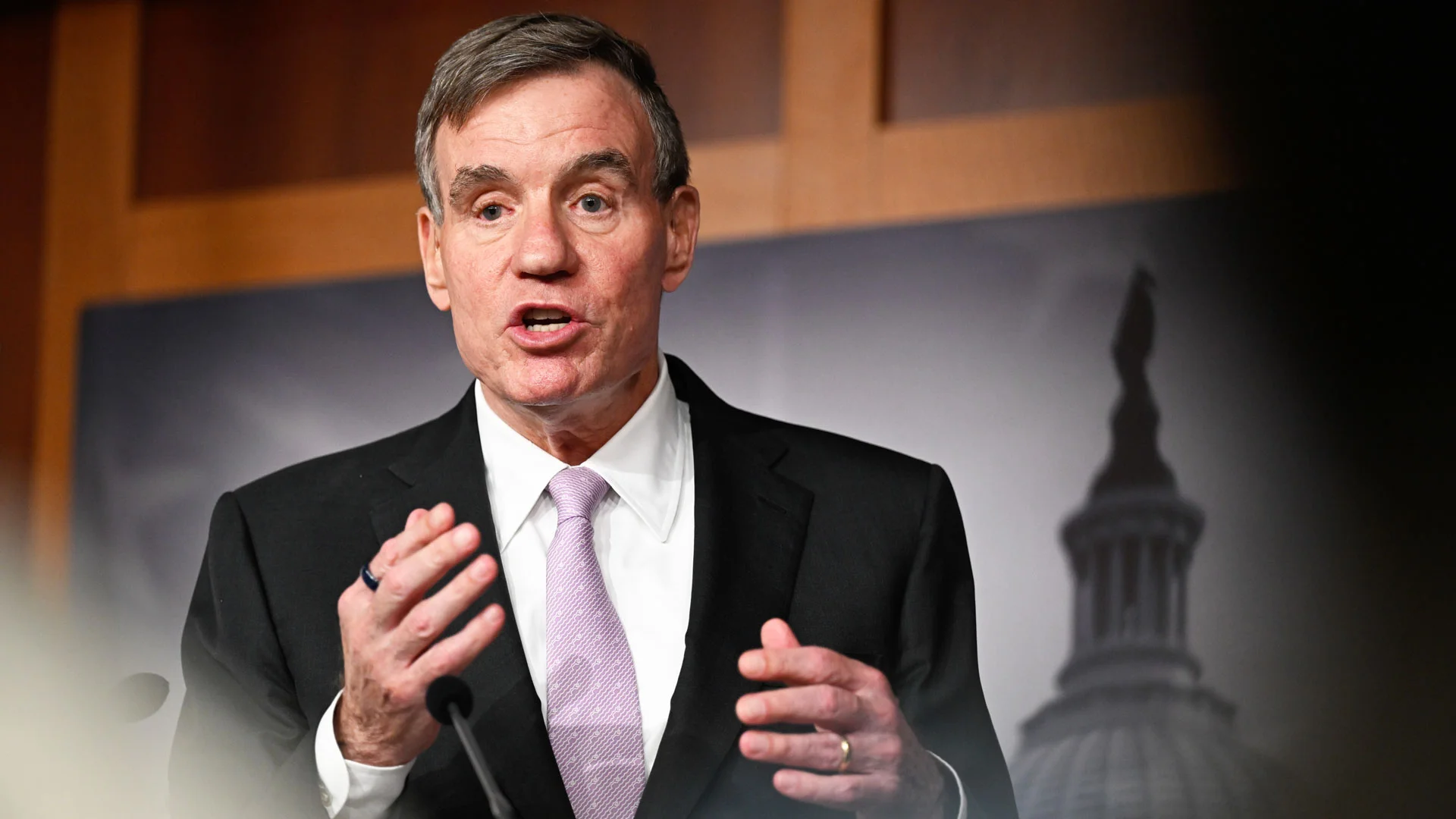
U.S. Senator Mark Warner sharply criticized the executive branch's resistance to artificial intelligence safety frameworks, warning that national security and market stability hang in the balance.
Source image: inc.com
inc.comThe Clash Over Artificial Intelligence Governance
The debate surrounding artificial intelligence regulation has reached a critical boiling point in Washington, D.C., as lawmakers and tech titans lock horns over the future oversight of frontier models. U.S. Senator Mark Warner (D-VA), a leading legislative voice on technology policy and cybersecurity, has openly condemned the executive branch's dismissive attitude toward structured regulatory frameworks. Addressing recent assertions that artificial intelligence requires no formal legislative guardrails beyond executive intuition, Warner characterized the approach as profoundly hazardous.
This political friction intensifies as artificial intelligence safety concerns shift from academic discourse to urgent corporate reality. Prominent figures across the technology sector—including executives from leading firms like OpenAI, Anthropic, xAI, and Google DeepMind—have publicly converged on the necessity for government intervention. However, the administration's resistance to codifying these safety mechanisms has created a fractured policy landscape that leaves institutional investors navigating a high-stakes regulatory vacuum.
Industry Warnings and Market Implications
The friction between Capitol Hill and the White House is compounded by unprecedented internal warnings from within the artificial intelligence development community. High-profile departures and apocalyptic risk warnings issued by leading researchers have unsettled global markets, triggering sharp corrections in technology equities. Industry leaders argue that without mandatory independent audits, standardized safety protocols, and clear federal boundaries, the rapid proliferation of advanced agentic models poses systemic risks to financial infrastructure and national security.
For enterprise investors and market participants, this regulatory stalemate translates directly into heightened operational and compliance risk. Key market implications include:
- Regulatory Fragmentation: The absence of a unified federal framework invites a patchwork of state-level mandates, complicating national scaling for enterprise AI deployment.
- Capital Allocation Uncertainty: Venture capital and institutional investors face difficulties evaluating long-term portfolio risks without clear statutory compliance baselines.
- Geopolitical Pressures: Disagreements over domestic oversight intersect with international competition, particularly concerning technological race dynamics with global rivals like China.
What Executives and Investors Must Monitor
As Congress attempts to forge bipartisan paths forward amid a tightening legislative calendar, stakeholders must closely track several key developments. Legislative packages focusing on critical infrastructure resilience, mandatory system kill-switches, and independent model evaluations will serve as primary indicators of federal direction. Furthermore, any shifts in executive branch posture or cooperative agreements between international superpowers will heavily dictate the pace and stringency of future compliance burdens.
Ultimately, Senator Warner’s warnings underscore a fundamental reality for the modern economy: achieving structural clarity in artificial intelligence governance is no longer a secondary policy preference, but a mandatory prerequisite for sustainable technological advancement and market confidence. Investors ignore this legislative tug-of-war at their own peril.
Continue reading
Related coverage in Business
nytimes.com
David Ellison Targets CNN Leadership Continuity in Paramount Merger Talks
David Ellison is currently negotiating to retain CNN CEO Mark Thompson without oversight from CBS editor in chief Bari Weiss as parent companies navigate merger plans.
2 min read
bbc.com
Decoding Nike’s Slump: How Strategic Missteps Cost the Sportswear Titan Its Edge
Explore the factors behind Nike's dramatic market decline. Industry analysts dissect the self-inflicted strategic errors that shook the sportswear giant.
3 min read
bbc.com
Treasury Committee Directs HMRC to Investigate Tax Implications of Manchester City Case
The UK Treasury Committee has called on HMRC to closely examine potential tax ramifications arising from the high-profile Manchester City legal verdict.
3 min read
nytimes.com
US Imposes Sanctions on Russian Firm A7 Over Global Shell Company Evasion Schemes
The United States targets Russian financial firm A7 with new sanctions following reports of utilizing global shell companies to bypass existing economic restrictions.
3 min read