SEC Unveils Historic Transfer Agent Overhaul to Accommodate Blockchain and Tokenized Securities
The SEC has proposed its first major transfer agent rule update in over 40 years, introducing new reporting metrics for distributed ledgers and tokenized asset plumbing.
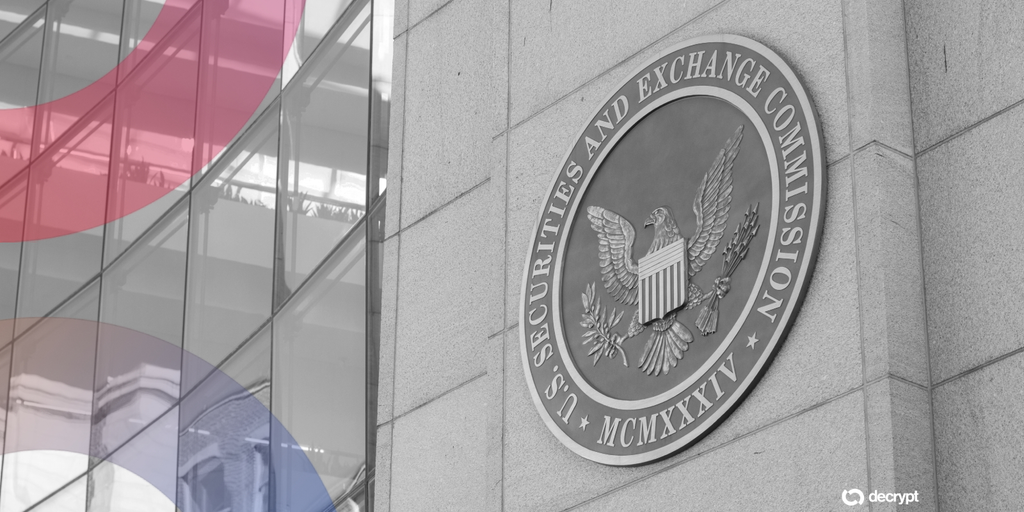
Source image: decrypt.co
decrypt.coModernizing Market Infrastructure for the Digital Age
In what marks a monumental shift for traditional financial plumbing, the U.S. Securities and Exchange Commission (SEC) has officially proposed its first sweeping overhaul of transfer agent regulations in over four decades. The landmark regulatory package directly confronts the reality of modern financial markets, where decentralized networks, automated protocols, and tokenized assets increasingly intersect with traditional capital markets.
For decades, the regulatory framework governing transfer agents—the behind-the-scenes entities responsible for maintaining official ownership registers, tracking share issuances, and handling corporate actions—has remained anchored in operational paradigms from the late 1970s and early 1980s. Originally designed for a world defined by physical paper certificates and manual ledger processing, these legacy rules are increasingly misaligned with the demands of instant digital settlement and distributed ledger technology (DLT).
Key Provisions and the Integration of Distributed Ledgers
At the center of the SEC's sweeping proposal are modernized reporting mechanisms, most notably adjustments to Form TA-2. Under the newly drafted guidelines, registered transfer agents will be required to explicitly detail how many share registers they maintain on distributed ledgers, providing regulators with transparent insights into the footprint of onchain assets.
The regulatory blueprint introduces several core components aimed at safeguarding investor assets in a digital-first environment:
- Digital Recordkeeping Controls: Enhanced mandates under Rule 17ad-7 to ensure data integrity, availability, reproducibility, redundancy, and business continuity for electronic and blockchain-based records.
- Cybersecurity and Resilience: Stringent operational controls addressing unique cyber risks tied to smart contracts, digital wallets, and cross-chain interoperability.
- Third-Party Vendor Oversight: Heightened compliance duties for transfer agents utilizing outside technology providers, ensuring that outsourcing core tech functions does not dilute regulatory accountability.
- Restrictive Legends and Compliance: Standardized frameworks to enforce transfer restrictions programmatically, potentially leveraging smart contracts to mirror traditional compliance guardrails.
Market Significance and Institutional Implications
The institutional adoption of tokenized funds, real-world assets (RWAs), and blockchain-native securities has accelerated significantly over recent years, prompting multiple financial technology firms and digital asset entities to seek formal transfer agent registrations. However, the ambiguity surrounding how blockchain-native ownership interacts with official corporate ledgers has long served as a friction point for institutional market participants.
By directly inviting public commentary on digital wallets, onchain fraud vectors, and distributed ledger integration, the SEC is signaling a pragmatic willingness to adapt its regulatory posture. This move could drastically reduce legal uncertainty, paving the way for wider institutional deployment of tokenized equities, debt instruments, and collective investment funds.
What Investors and Executives Should Watch
As the SEC opens a 60-day public comment period following publication in the Federal Register, industry stakeholders, crypto-native builders, and financial institutions must carefully evaluate the compliance implications. Key indicators to monitor include:
- Industry Feedback: How major financial institutions and digital asset advocacy groups respond to the proposed operational and cybersecurity burdens.
- Smart Contract Enforcement: The extent to which regulators will formally accept programmable code as a valid mechanism for managing restrictive legends and shareholder rights.
- Timeline to Final Rulemaking: How quickly the Commission moves from the proposal stage to a finalized rule, which will ultimately dictate the speed of institutional tokenization rollouts in the U.S.
Continue reading
Related coverage in Crypto
cointelegraph.com
Trump Schedules Third Memecoin Holder Dinner Amid Growing Corruption Scrutiny
President Trump is set to host his third exclusive memecoin dinner for top token holders at his Washington, DC golf club, drawing renewed ethical and market scrutiny.
3 min read
cointelegraph.com
50,000 Europeans Petition EU to Relax MiCA Stablecoin Reward Restrictions
A new 50,000-letter campaign is urging Brussels to ease stablecoin rewards restrictions during the MiCA review, aligning with broader central bank pushes.
2 min read
cryptonews.com
Dogecoin Eyes $1 Milestone as DogeOS Testnet Launch Sparks Utility Speculation
Dogecoin trades at $0.09447 as the DogeOS testnet goes live. Traders eye the $0.098 resistance and psychological $0.10 mark amid fresh utility potential.
2 min read
decrypt.co
Bitcoin Enters 'Uptober' Amid Fed Rate Hike Pressures and 5.3% Treasury Yields
Bitcoin enters its historically strongest month following a record September, yet rising Federal Reserve rate hike fears and 5.3% Treasury yields present major hurdles.
2 min read