SEC Settles With Haywood USA Over Anti-Money Laundering Failures
Haywood USA has reached a settlement with the SEC regarding allegations of failing to file suspicious activity reports and ignoring red flags tied to high-risk accounts.
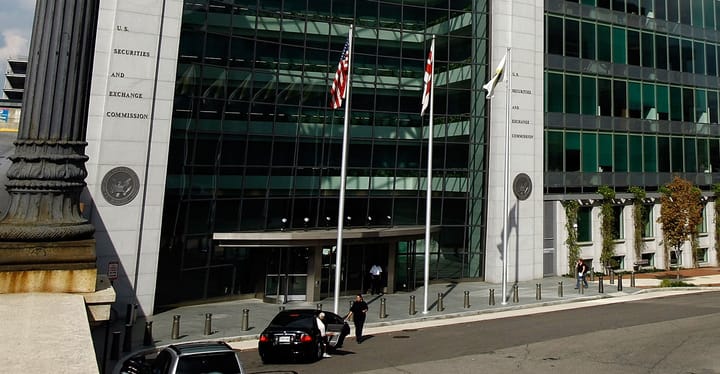
Source image: wealthmanagement.com
wealthmanagement.comOverview of the SEC Enforcement Action
In a recent regulatory development, the U.S. Securities and Exchange Commission (SEC) successfully settled enforcement proceedings with Canadian broker-dealer Haywood USA. The regulatory action centered on allegations that the firm experienced systemic breakdowns in its anti-money laundering (AML) framework. Specifically, the SEC asserted that Haywood USA neglected to file mandatory suspicious activity reports (SARs) and failed to adequately investigate glaring red flags associated with specific customer accounts.
According to the regulatory findings detailed in the enforcement action, these questionable accounts involved transactions and connections tied to a previously convicted criminal as well as a banker. The failure to monitor and report these activities exposed vulnerabilities in the firm's compliance systems, drawing sharp scrutiny from U.S. regulators who oversee cross-border brokerage activities.
Why This Matters for Wealth Management and Brokerages
For executives, compliance officers, and entrepreneurs operating within the financial services and wealth management sectors, this case serves as a stark reminder of regulatory expectations. Anti-money laundering protocols are not merely administrative checkboxes; they represent a fundamental line of defense against financial crime. When a broker-dealer fails to detect or report suspicious behavior involving high-risk individuals, it compromises the integrity of the broader financial ecosystem.
- Increased Scrutiny: Cross-border entities face intense regulatory oversight from U.S. authorities.
- Operational Risk: Inadequate internal controls can lead to severe enforcement actions and financial penalties.
- Reputational Damage: Compliance failures often result in long-term damage to client trust and institutional standing.
Market Implications and Compliance Trends
The settlement underscores a broader regulatory trend where enforcement agencies are increasingly aggressive in penalizing financial institutions that lapse in their AML duties. As illicit actors continually adapt their strategies, regulators expect broker-dealers to employ sophisticated monitoring systems and maintain vigilant oversight of all account activities, particularly those involving international elements or politically exposed persons.
For market participants, this environment necessitates higher capital allocation toward compliance technology and personnel. Firms that underinvest in their compliance infrastructure risk not only direct financial penalties from regulators like the SEC or FINRA but also operational restrictions that can hinder business growth and strategic partnerships.
What Executives and Investors Should Watch
As the regulatory landscape continues to evolve, stakeholders across the wealth management and brokerage industries should monitor several key developments:
- Enhanced Regulatory Guidance: Expect stricter interpretations of what constitutes an adequate investigation of red flags.
- Technology Adoption: Increased reliance on automated, AI-driven transaction monitoring tools to catch suspicious patterns early.
- Cross-Border Cooperation: Closer collaboration between U.S. and international regulators regarding foreign-owned or cross-border broker-dealers.
Ultimately, the Haywood USA settlement emphasizes that robust compliance is non-negotiable. Executives must proactively audit their internal controls to ensure full alignment with regulatory mandates. For further details on this enforcement action, readers can review the original report at WealthManagement.com.
Continue reading
Related coverage in Wealth Management
wealthmanagement.com
Orion Ascent 2027 Unveils AI-Driven Wealthtech Roadmap to Scale Advisor Growth
Discover how Orion Ascent 2027 is shaping the future of wealth management with a focus on practical AI tools, household-level personalization, and expanded operational capacity.
3 min read
wealthmanagement.com
Wealth Management CIOs Pivot to Short-Duration Bonds Amid Market Shudders
Rising yields in the bond market are prompting wealth management CIOs to seize new income opportunities at shorter durations without excessive risk.
2 min read
wealthmanagement.com
Compliance Experts Urge RIAs to Reevaluate Section 351 ETF Conversions After New IRS Guidance
Following recent IRS guidance targeting tax avoidance, compliance experts warn registered investment advisors to reconsider recommending Section 351 ETF conversions.
2 min read
wealthmanagement.com
Fidelity Elevates RIA Custody Asset Minimum to $100M: Strategic Shift Impacts Smaller Advisors
Fidelity announces a new $100 million client asset minimum for RIA custody services, requiring smaller advisors to transition off the platform by mid-2027.
3 min read