SEC Dropped Crypto Cases to Protect Court Credibility, Reveals Commissioner Mark Uyeda
SEC Commissioner Mark Uyeda disclosed that the agency dropped multiple enforcement actions against crypto firms in early 2025 to mitigate potential credibility issues in court.
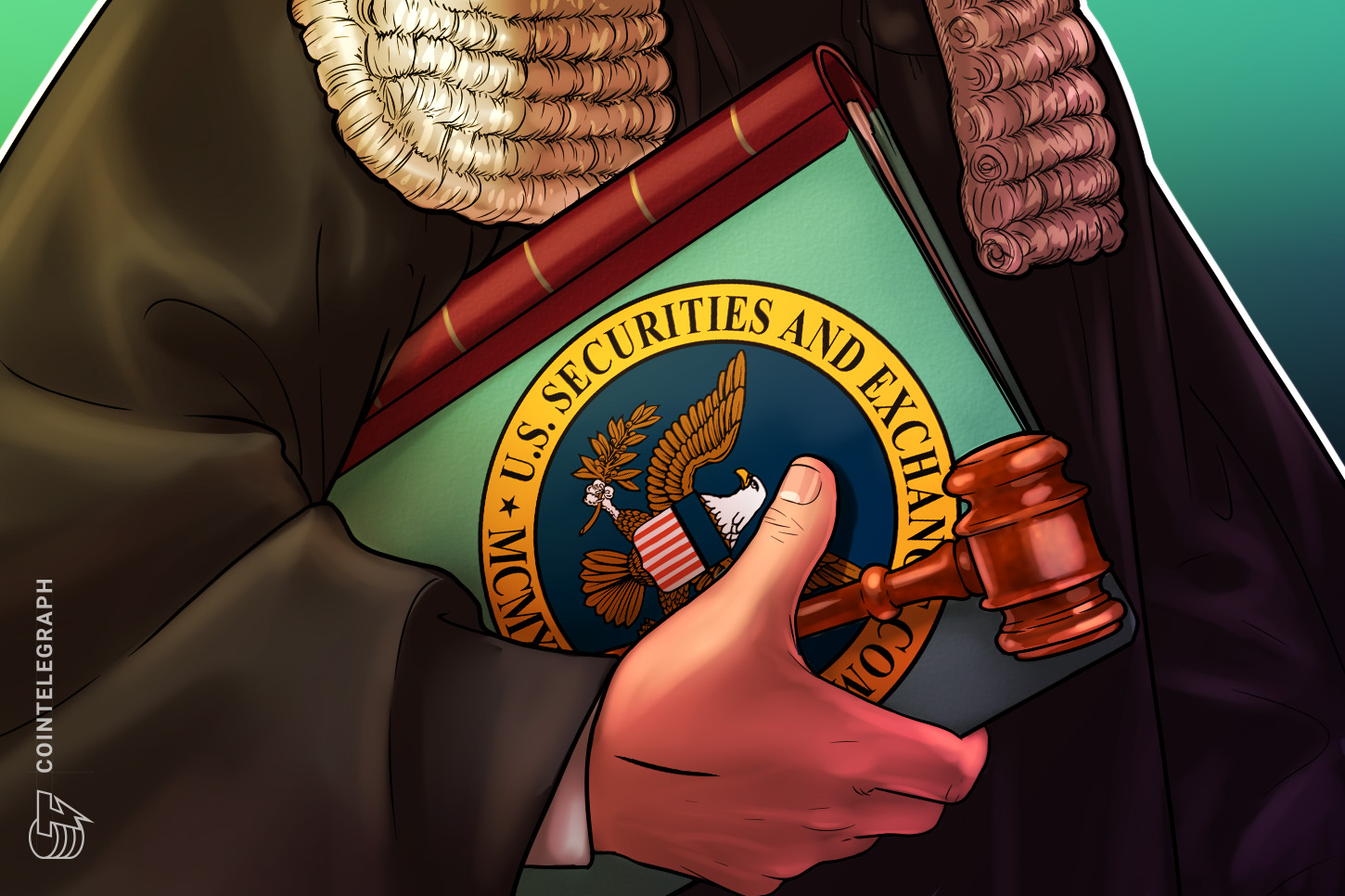
Source image: cointelegraph.com
cointelegraph.comIntroduction to the SEC's Regulatory Retreat
The regulatory landscape for digital assets experienced a notable pivot in early 2025. According to statements made by SEC Commissioner Mark Uyeda, the regulatory agency made the deliberate decision to drop numerous enforcement cases targeting various cryptocurrency companies. This unexpected move was not born out of a sudden change in philosophy regarding digital assets, but rather as a calculated measure to avoid severe credibility problems within the judicial system.
For years, the crypto industry has sparred with the SEC over regulatory clarity, enforcement-driven oversight, and the classification of digital tokens. The decision to drop these specific cases signals a growing recognition within the agency of the legal hurdles and potential judicial pushback it faced in defending its aggressive stance.
The Core Drivers Behind Dropped Cases
According to Commissioner Uyeda, the primary catalyst for dropping these enforcement actions was the preservation of the agency's institutional credibility in court. When pursuing complex or legally ambiguous matters, regulatory bodies risk receiving adverse judicial rulings that can permanently weaken their statutory authority. By stepping back from vulnerable cases, the SEC opted to mitigate risks rather than press forward into potentially damaging litigation outcomes.
Key aspects of this situation include:
- Strategic reassessment of enforcement viability by regulatory leadership.
- Concerns over adverse court precedents that could restrict future rulemaking or oversight.
- A realization that some early 2025 cases lacked the robust legal foundation required to withstand rigorous judicial scrutiny.
Market Implications for Crypto Investors and Executives
For executives and entrepreneurs operating in the blockchain and cryptocurrency sectors, this news carries profound implications. A more cautious SEC could translate into a less hostile operating environment, reducing immediate litigation risks for companies currently under scrutiny. However, it also highlights the ongoing uncertainty surrounding digital asset regulation in the United States.
Investors must weigh whether this retreat indicates a temporary tactical pause or the beginning of a broader, more structural transformation in how American regulators handle digital innovation. While reduced enforcement pressure can foster market confidence and encourage capital deployment, the lack of definitive congressional or regulatory frameworks still leaves long-term compliance questions unanswered.
Market participants should keep the following factors in sight:
- Potential shifts in enforcement priorities toward clear-cut fraud rather than registration disputes.
- The possibility of renewed legislative efforts to establish distinct statutory definitions for crypto assets.
- The changing legal strategies of crypto defense teams facing ongoing regulatory challenges.
What Executives and Investors Should Watch Next
As the regulatory narrative continues to unfold, stakeholders must monitor several critical indicators. First, tracking any formal policy updates or public announcements from SEC leadership will provide clarity on whether the agency is permanently altering its litigation playbook. Second, observing how courts handle remaining active crypto cases will shed light on judicial attitudes toward digital asset regulation.
Ultimately, while the dropping of these cases offers a brief respite for targeted entities, the broader tug-of-war between regulators and the crypto industry is far from over. Staying informed through verified sources like the original reporting at Cointelegraph remains essential for navigating these shifting regulatory currents successfully.
Continue reading
Related coverage in Crypto
cointelegraph.com
Trump Schedules Third Memecoin Holder Dinner Amid Growing Corruption Scrutiny
President Trump is set to host his third exclusive memecoin dinner for top token holders at his Washington, DC golf club, drawing renewed ethical and market scrutiny.
3 min read
cointelegraph.com
50,000 Europeans Petition EU to Relax MiCA Stablecoin Reward Restrictions
A new 50,000-letter campaign is urging Brussels to ease stablecoin rewards restrictions during the MiCA review, aligning with broader central bank pushes.
2 min read
cryptonews.com
Dogecoin Eyes $1 Milestone as DogeOS Testnet Launch Sparks Utility Speculation
Dogecoin trades at $0.09447 as the DogeOS testnet goes live. Traders eye the $0.098 resistance and psychological $0.10 mark amid fresh utility potential.
2 min read
decrypt.co
Bitcoin Enters 'Uptober' Amid Fed Rate Hike Pressures and 5.3% Treasury Yields
Bitcoin enters its historically strongest month following a record September, yet rising Federal Reserve rate hike fears and 5.3% Treasury yields present major hurdles.
2 min read