Scaling Up: How Pink Chicken Transformed Childhood Nostalgia Into an Eight-Figure Empire
Discover how 20-year-old apparel brand Pink Chicken scaled into an eight-figure powerhouse by organically expanding alongside its loyal consumer base into baby, teen, and women's categories.
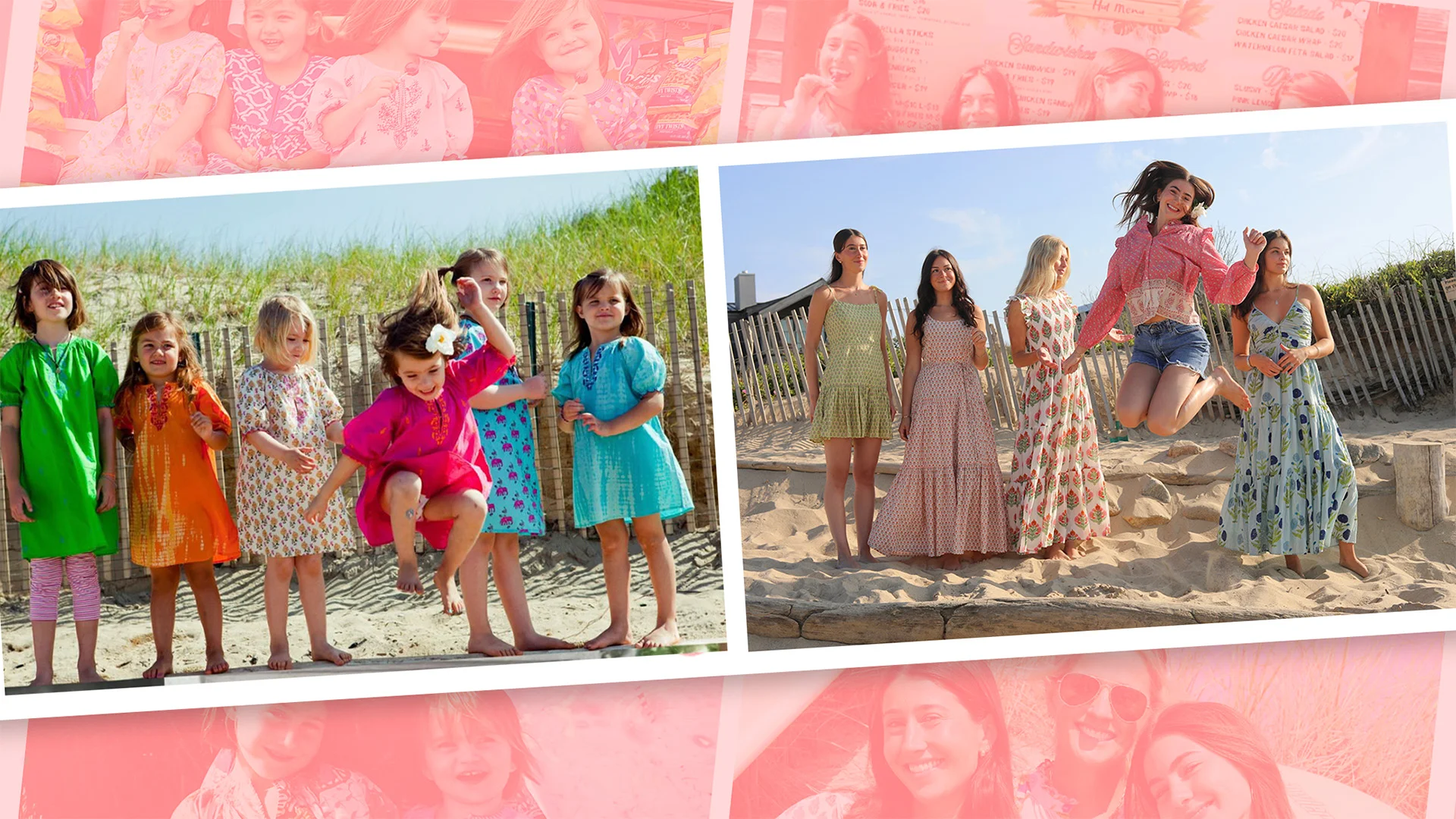
Source image: inc.com
inc.comThe Evolution of a Niche Apparel Concept
Founded two decades ago by apparel veteran and designer who spent years at major labels like Gap and Tommy Hilfiger, Pink Chicken began as a grassroots creative outlet. Operating out of nap-time sewing sessions, the brand was built on a foundation of vibrant textiles, distinct bohemian prints, and 1960s-inspired floral patterns that immediately caught the attention of local parents. What started as an authentic response to uninspired mass-market children's wear quickly transformed into a commercial enterprise fueled by organic word-of-mouth growth and undeniable product-market fit.
Over the past five years, the brand has achieved extraordinary acceleration, posting remarkable multi-hundred-percent overall growth and maintaining a steady 20 percent year-over-year expansion trajectory. This performance places Pink Chicken firmly in elite territory among independent lifestyle and apparel companies, proving that authentic community connection can outpace traditional venture-backed customer acquisition playbooks.
Scaling Alongside the Consumer Lifecycle
The core strategic driver behind Pink Chicken's transition into an eight-figure powerhouse lies in its willingness to listen to its audience. As the brand's original target demographic—children aged two to six—grew older, management made the calculated decision to expand sizing sequentially. The company introduced baby collections to capture younger siblings, followed methodically by pre-teen and teen sizes to accommodate the aging customer base.
Perhaps the most lucrative pivot occurred when those original young shoppers, alongside their mothers, reached adulthood. By revamping and deepening its women's collection—introducing versatile tops, relaxed short sets, and comfortable lifestyle wear utilizing signature prints—Pink Chicken effectively captured the entire family unit under one unified aesthetic umbrella. Today, the women's category has emerged as a major financial pillar, with newer lifestyle lines driving over 60 percent of total women's segment sales and continuing to surge nearly 20 percent year-over-year.
Community-Centric Retail and Market Strategy
In an era where direct-to-consumer (DTC) brands lean heavily on expensive digital ad spend and algorithm-dependent social campaigns, Pink Chicken has doubled down on localized, high-touch community engagement. The company regularly hosts hyper-local events, small business pop-ups, author readings, and signature community gatherings known as 'flock parties.' These initiatives foster deep emotional loyalty, resulting in customers who remain within the brand ecosystem for decades.
- Key Growth Catalysts:
- Sequential size expansion matching consumer life stages from infancy to adulthood.
- Diversification into high-margin lifestyle categories such as bamboo sleepwear and women's apparel.
- Experiential marketing and local community activations that drive retention without heavy acquisition costs.
- Consistent 20 percent year-over-year revenue compounding over recent fiscal periods.
Market Implications and What Investors Should Watch
Pink Chicken's trajectory offers vital strategic takeaways for retail executives, private equity investors, and consumer brand founders. The traditional retail playbook often dictates strict demographic silos—separating children's wear from adult contemporary apparel. Pink Chicken demonstrates that lifetime customer value (LTV) can be dramatically maximized by treating the household as an integrated, long-term ecosystem rather than a transactional endpoint.
For investors evaluating the consumer goods and retail sectors, brands that successfully master lifecycle retention while expanding total addressable markets (TAM) represent highly resilient assets. As market headwinds and rising customer acquisition costs (CAC) continue to squeeze traditional ecommerce players, companies leveraging organic community loyalty and cross-generational product pipelines are exceptionally well-positioned to weather macroeconomic volatility. Key metrics to monitor moving forward include the sustained velocity of the women's category, the scalability of experiential retail events, and the brand's ability to maintain high gross margins as it expands its physical and digital footprint.
Continue reading
Related coverage in Business
nytimes.com
David Ellison Targets CNN Leadership Continuity in Paramount Merger Talks
David Ellison is currently negotiating to retain CNN CEO Mark Thompson without oversight from CBS editor in chief Bari Weiss as parent companies navigate merger plans.
2 min read
bbc.com
Decoding Nike’s Slump: How Strategic Missteps Cost the Sportswear Titan Its Edge
Explore the factors behind Nike's dramatic market decline. Industry analysts dissect the self-inflicted strategic errors that shook the sportswear giant.
3 min read
bbc.com
Treasury Committee Directs HMRC to Investigate Tax Implications of Manchester City Case
The UK Treasury Committee has called on HMRC to closely examine potential tax ramifications arising from the high-profile Manchester City legal verdict.
3 min read
nytimes.com
US Imposes Sanctions on Russian Firm A7 Over Global Shell Company Evasion Schemes
The United States targets Russian financial firm A7 with new sanctions following reports of utilizing global shell companies to bypass existing economic restrictions.
3 min read