Sam Bankman-Fried Escalates FTX Legal Battle to the U.S. Supreme Court in Final Bid to Overturn Fraud Conviction
Disgraced FTX founder Sam Bankman-Fried petitions the Supreme Court to throw out his 25-year fraud conviction, sentence, and $11 billion forfeiture order.
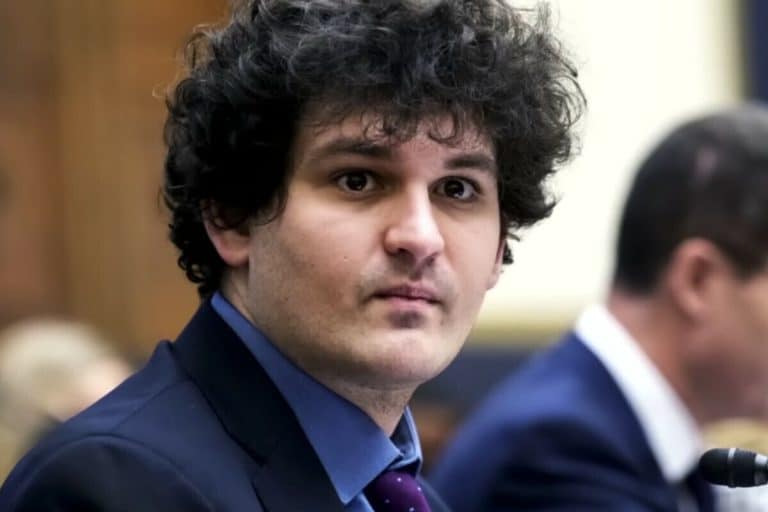
Source image: cryptonews.com
cryptonews.comThe Ultimate Legal Showdown for FTX's Founder
In what is widely regarded as his final realistic judicial recourse, disgraced cryptocurrency executive Sam Bankman-Fried has formally petitioned the U.S. Supreme Court to overturn his federal fraud conviction. The petition seeks to dismantle the 2023 Manhattan federal court verdict that found him guilty on seven criminal counts—including wire fraud, conspiracy, and money laundering—stemming from the catastrophic collapse of the FTX exchange. Bankman-Fried is currently serving a 25-year federal prison sentence, a penalty that underscored the United States government's hardline approach to white-collar malfeasance within the digital asset sector.
The high court filing follows a decisive June ruling by the U.S. Court of Appeals for the Second Circuit, which unanimously upheld Bankman-Fried's conviction, prison term, and a staggering $11.02 billion forfeiture order. By bringing the case to the nation's highest judicial body, Bankman-Fried’s legal representation—led by veteran appellate attorney Jeffrey Fisher—is attempting to challenge foundational evidentiary standards utilized in federal white-collar prosecutions.
Core Arguments: Evidentiary Restrictions and Constitutional Overreach
Bankman-Fried's Supreme Court petition centers on two primary legal pillars:
- Evidentiary Bias: The defense argues that U.S. District Judge Lewis Kaplan improperly barred them from presenting evidence showing that FTX and its affiliated hedge fund, Alameda Research, held sufficient underlying assets to eventually make customers whole. Simultaneously, Bankman-Fried claims prosecutors were given free rein to emphasize short-term customer financial distress and loss.
- Excessive Forfeiture: The petition asserts that the $11.02 billion forfeiture order violates the Eighth Amendment of the U.S. Constitution, which explicitly prohibits excessive fines and disproportionate financial penalties.
The defense's argument attempts to navigate a complex legal landscape shaped by recent high court precedents. Specifically, the petition references how federal courts handle economic harm requirements in fraud statutes, arguing that if prosecutors are not required to prove definitive net economic loss to secure a conviction, introducing inflammatory loss narratives prejudices the jury unfairly.
Broader Market Implications and Regulatory Significance
While the petition focuses heavily on technical legal and constitutional interpretations, the broader implications for the cryptocurrency market and executive accountability are profound. The collapse of FTX in late 2022 wiped out billions of dollars in user funds, permanently altering the regulatory trajectory of the digital asset economy.
Market participants, legal scholars, and fintech entrepreneurs are closely monitoring the proceedings for several reasons:
- Precedent for Corporate Prosecution: A Supreme Court review could redefine how lower courts manage defense strategies regarding post-collapse asset recovery and customer repayment capabilities.
- Forfeiture Standards: The challenge against the $11 billion forfeiture challenges the boundaries of government asset seizure powers in massive corporate bankruptcies.
- Industry Sentiment: Although FTX bankruptcy administrators have made substantial progress toward returning funds to creditors, the ongoing legal saga serves as a permanent reminder of the industry's historical vulnerabilities to unchecked leverage and commingled funds.
What Investors and Observers Should Watch
The statistical probability of the Supreme Court granting certiorari is exceptionally low, as the justices receive thousands of petitions annually and select only a small fraction for oral arguments. Legal experts note that the high court will likely decide whether to hear the case later this year.
In addition to the Supreme Court docket, market observers are tracking separate administrative developments, including a pending application for executive clemency. For institutional investors, venture capitalists, and market regulators, the conclusion of Bankman-Fried's appeals process will close the final chapter of crypto's most infamous corporate collapse, solidifying legal precedents that will govern digital asset exchanges for decades to come.
Continue reading
Related coverage in Crypto
cointelegraph.com
Trump Schedules Third Memecoin Holder Dinner Amid Growing Corruption Scrutiny
President Trump is set to host his third exclusive memecoin dinner for top token holders at his Washington, DC golf club, drawing renewed ethical and market scrutiny.
3 min read
cointelegraph.com
50,000 Europeans Petition EU to Relax MiCA Stablecoin Reward Restrictions
A new 50,000-letter campaign is urging Brussels to ease stablecoin rewards restrictions during the MiCA review, aligning with broader central bank pushes.
2 min read
cryptonews.com
Dogecoin Eyes $1 Milestone as DogeOS Testnet Launch Sparks Utility Speculation
Dogecoin trades at $0.09447 as the DogeOS testnet goes live. Traders eye the $0.098 resistance and psychological $0.10 mark amid fresh utility potential.
2 min read
decrypt.co
Bitcoin Enters 'Uptober' Amid Fed Rate Hike Pressures and 5.3% Treasury Yields
Bitcoin enters its historically strongest month following a record September, yet rising Federal Reserve rate hike fears and 5.3% Treasury yields present major hurdles.
2 min read