RXBar Co-Founder Peter Rahal Secures $250 Million for Medici Brands to Scale Macro-Engineered CPG Portfolio
Medici Brands has secured a $250 million Series B funding round to scale its disruptive food platform, expand David Protein, and launch upcoming innovations.
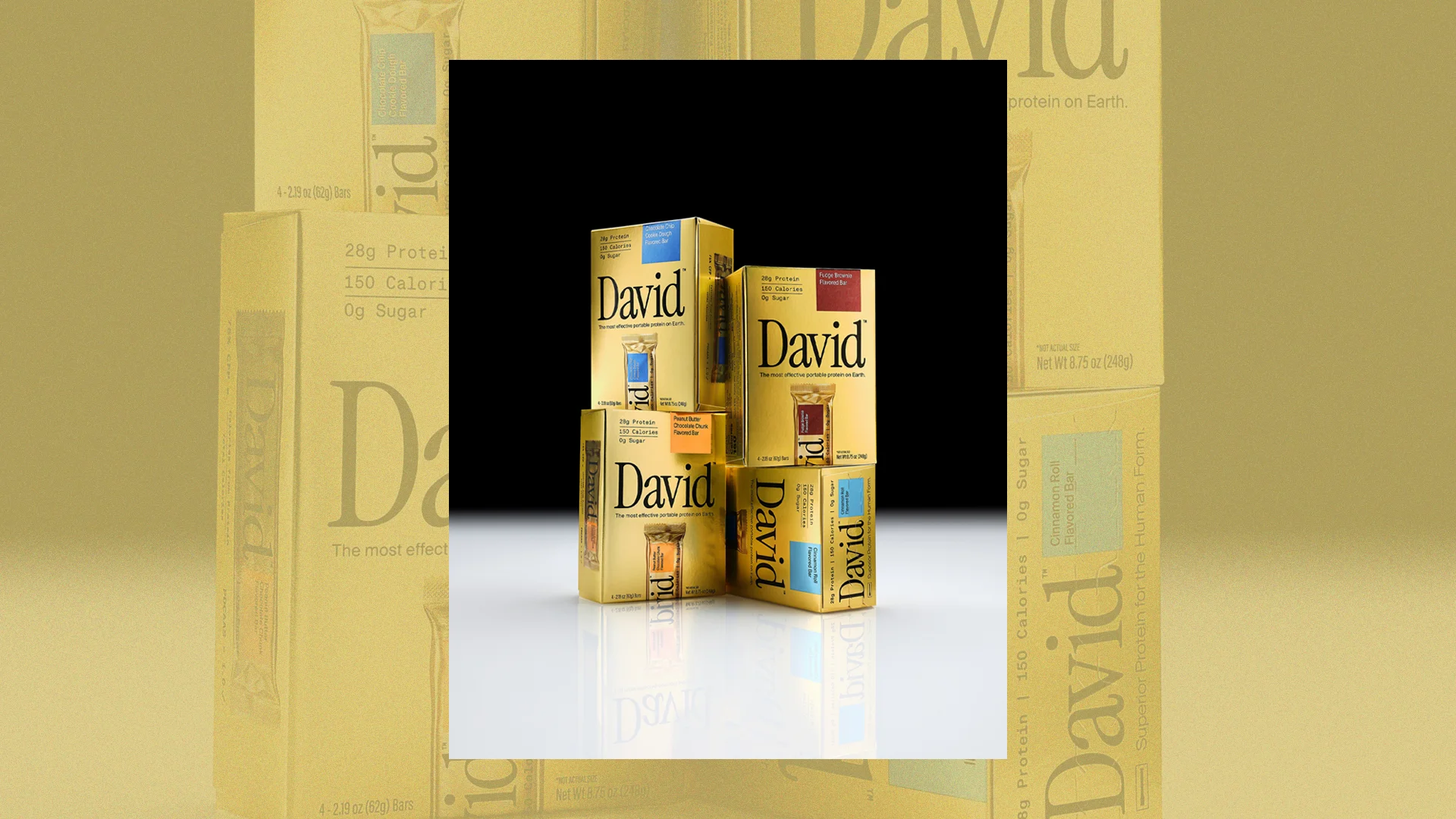
Source image: inc.com
inc.comScaling the Future of Functional Food
In one of the most significant consumer packaged goods (CPG) funding events of the year, Medici Brands has officially secured a $250 million Series B financing round. Co-led by existing heavy-hitters Greenoaks and Valor Equity Partners—with additional participation from institutional giants like ICONIQ, Imaginary Ventures, and CEO Peter Rahal himself—the capital marks a monumental milestone for the parent company of David Protein.
The rapid acceleration of Medici Brands underscores a broader macro shift in consumer behavior. Modern shoppers increasingly demand indulgence without dietary compromise, pushing functional food engineering to the forefront of venture capital interest. By leveraging advanced food technology and proprietary ingredients such as EPG (a plant-based fat substitute that replicates traditional fat textures at a fraction of the caloric cost), Medici is attempting to rewrite the rules of mass-market nutrition.
An Unprecedented Growth Trajectory
The flagship brand under the Medici umbrella, David Protein, has enjoyed a meteoric rise since its direct-to-consumer debut. Initially launching with a single high-protein, zero-sugar bar, the brand quickly expanded into frozen desserts and ready-to-drink shakes. Today, David products occupy shelf space in over 35,000 retail storefronts nationwide, including major giants like Walmart, Target, and Costco.
According to company disclosures, this distribution footprint places Medici on track to surpass $300 million in annual revenue, a blistering velocity for a enterprise barely out of its startup phase. Building upon this momentum, Medici recently introduced HallPass, a better-for-you confectionery brand engineered to mimic classic candy bars with drastically reduced sugar and calorie counts. Furthermore, the firm has teased the upcoming rollout of a third brand tentatively named Rowdy, signaling a multi-brand strategy designed to capture various grocery aisles.
Strategic Deployment of Capital and Infrastructure
For executive leadership and institutional investors, the primary takeaway from the $250 million injection is infrastructure development. Scaling a house of brands across tens of thousands of big-box retail locations requires robust supply chain resilience, advanced manufacturing oversight, and continuous research and development.
- Supply Chain Strengthening: Expanding distribution networks to support seamless replenishment across major retail partners.
- R&D and Food Science: Deepening investments in proprietary formulation technologies to eliminate empty calories without sacrificing taste profiles.
- Brand Portfolio Diversification: Financing the rollout and marketing infrastructure for emerging labels like HallPass and the upcoming Rowdy brand.
“We are not interested in telling people to stop eating the foods they love,” Peter Rahal has consistently emphasized regarding his corporate philosophy. Instead, Medici’s operational thesis relies on weaponizing food science to reformulate popular consumer staples into nutritionally optimized versions.
Market Implications and What Investors Should Watch
The success of Medici Brands serves as a bellwether for the broader functional food and beverage sector. As traditional junk-food conglomerates face stagnant or declining growth amid consumer health shifts, agile tech-enabled platforms are capturing disproportionate market share. Venture capitalists are increasingly viewing food companies not as traditional manufacturing bets, but as scalable platform technologies.
Investors and market analysts should monitor several key metrics moving forward:
- Retail Velocity and Margin Stability: Tracking whether high initial consumer adoption at chains like Walmart and Costco translates into long-term repeat purchases.
- Regulatory and Litigation Scrutiny: High-growth CPG disruptors frequently attract competitor pushback and labeling lawsuits; legal resilience will be vital.
- Brand Portfolio Execution: Evaluating the successful market entry and consumer reception of the upcoming Rowdy brand to prove that Rahal’s playbook can be successfully replicated beyond protein and confectionery.
Ultimately, Medici Brands is positioning itself to be a dominant force in modern nutrition. If the company successfully converts its robust capital backing into long-term brand loyalty, it may fundamentally redefine how global conglomerates approach product innovation and public health.
Continue reading
Related coverage in Business
nytimes.com
David Ellison Targets CNN Leadership Continuity in Paramount Merger Talks
David Ellison is currently negotiating to retain CNN CEO Mark Thompson without oversight from CBS editor in chief Bari Weiss as parent companies navigate merger plans.
2 min read
bbc.com
Decoding Nike’s Slump: How Strategic Missteps Cost the Sportswear Titan Its Edge
Explore the factors behind Nike's dramatic market decline. Industry analysts dissect the self-inflicted strategic errors that shook the sportswear giant.
3 min read
bbc.com
Treasury Committee Directs HMRC to Investigate Tax Implications of Manchester City Case
The UK Treasury Committee has called on HMRC to closely examine potential tax ramifications arising from the high-profile Manchester City legal verdict.
3 min read
nytimes.com
US Imposes Sanctions on Russian Firm A7 Over Global Shell Company Evasion Schemes
The United States targets Russian financial firm A7 with new sanctions following reports of utilizing global shell companies to bypass existing economic restrictions.
3 min read