Robinhood Defiant as AMC Threatens Legal Action Over Unauthorized Stock Tokens
Robinhood faces intense backlash from AMC Entertainment CEO Adam Aron over unauthorized tokenized stock offerings, setting the stage for a major legal showdown.
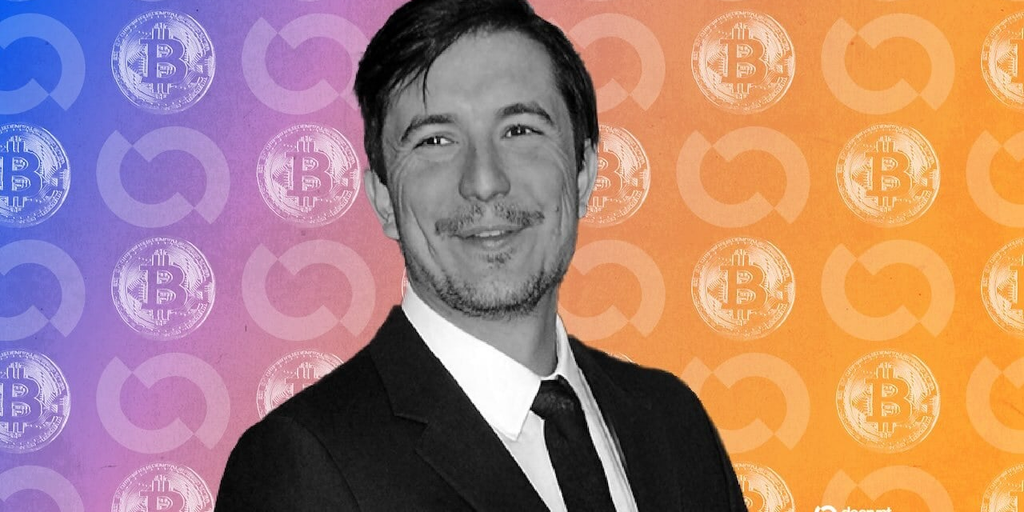
Source image: decrypt.co
decrypt.coThe Anatomy of a Corporate and Crypto Clash
The intersection of traditional equity markets and blockchain innovation has officially hit a boiling point. Robinhood Markets finds itself at the center of a burgeoning legal and regulatory controversy after AMC Entertainment CEO Adam Aron launched a blistering public attack against the broker's tokenized stock offerings. The dispute centers on Robinhood's deployment of derivative-based digital assets that track the price of public companies—including AMC—without the consent, collaboration, or official endorsement of the underlying issuers.
The friction began when AMC’s leadership noticed that digital tokens bearing the company's branding were actively circulating within crypto-enabled trading environments. These instruments, structured as ERC-20 tokens via offshore entities like Robinhood Assets (Jersey) Limited, are designed to give international retail traders economic exposure to U.S. equities. However, they explicitly do not confer legal ownership, voting rights, or any corporate privileges associated with traditional shareholding.
Why AMC and Corporate Executives Are Sounding the Alarm
For executive leadership teams across corporate America, the proliferation of unauthorized tokenized shares represents a multidimensional threat. Adam Aron did not mince words on social media, describing the initiative in severe terms and questioning how such financial products could operate without issuer alignment. Beyond the immediate branding grievance, executives have pointed to several core structural anxieties:
- Creation of Synthetic Liquidity: Critics argue that off-exchange tokenized derivatives siphon trading volume away from primary public exchanges, potentially decoupling price discovery from the actual equity.
- Capital Formation Disconnect: While organic share offerings allow corporations to raise vital capital to strengthen balance sheets, tokenized derivatives enrich intermediaries while leaving corporate balance sheets untouched.
- Investor Confusion: Despite detailed risk disclaimers, retail market participants frequently confuse economic exposure products with genuine equity ownership, risking disillusionment and systemic distrust.
- Regulatory Gray Areas: Because these assets bypass traditional clearinghouses and primary registration frameworks in major jurisdictions like the United States, they invite stringent scrutiny from global regulators.
Robinhood’s Stance and the Broader Market Implications
Despite receiving an ultimatum to voluntarily halt the trading of AMC-linked tokens, Robinhood has shown no immediate inclination to retreat. When confronted publicly by corporate leadership, Robinhood CEO Vlad Tenev signaled a defense of the firm's product architecture, which relies on fully backed institutional custody of underlying securities to manage economic parity.
This standoff is far from an isolated incident. Earlier precedents—such as high-profile friction involving private tech giants and alternative digital asset wrappers—demonstrate that Silicon Valley fintech disruptors and Wall Street legacy firms are on a collision course over onchain representation. As brokerages race to build tokenized ecosystems, including proprietary layer-2 networks and round-the-clock trading rails, public corporations are realizing they may have little control over how their tickers are utilized in decentralized finance (DeFi) loops.
What Investors and Market Participants Should Watch
For institutional investors, corporate insiders, and digital asset speculators, this conflict serves as a critical bellwether. Several key indicators will dictate how this market evolves over the coming quarters:
- Legal Precedent and Enforcement: Watch for formal filings or SEC interventions regarding whether economic-exposure tokens violate federal securities or copyright boundaries.
- International Regulatory Crackdowns: Monitor how financial watchdogs in the U.K., Canada, Switzerland, and the EU handle unregistered tokenized derivatives targeting domestic retail pools.
- Corporate Defense Playbooks: Anticipate whether other Russell 3000 or Fortune 500 companies will adopt AMC’s aggressive stance, potentially triggering mass cease-and-desist campaigns against crypto platforms.
- Issuer-Sponsored Alternatives: The future may hinge on whether platforms shift away from unauthorized synthetic tokens toward legally sanctioned, issuer-approved tokenization models that align corporate interests with blockchain utility.
Ultimately, the showdown between Robinhood and AMC underscores a profound philosophical divide in modern finance. As tokenization attempts to merge traditional assets with the frictionless velocity of public blockchains, the legal framework governing brand ownership, shareholder rights, and synthetic exposure must rapidly adapt—or risk a prolonged wave of courtroom battles.
Continue reading
Related coverage in Crypto
cointelegraph.com
Trump Schedules Third Memecoin Holder Dinner Amid Growing Corruption Scrutiny
President Trump is set to host his third exclusive memecoin dinner for top token holders at his Washington, DC golf club, drawing renewed ethical and market scrutiny.
3 min read
cointelegraph.com
50,000 Europeans Petition EU to Relax MiCA Stablecoin Reward Restrictions
A new 50,000-letter campaign is urging Brussels to ease stablecoin rewards restrictions during the MiCA review, aligning with broader central bank pushes.
2 min read
cryptonews.com
Dogecoin Eyes $1 Milestone as DogeOS Testnet Launch Sparks Utility Speculation
Dogecoin trades at $0.09447 as the DogeOS testnet goes live. Traders eye the $0.098 resistance and psychological $0.10 mark amid fresh utility potential.
2 min read
decrypt.co
Bitcoin Enters 'Uptober' Amid Fed Rate Hike Pressures and 5.3% Treasury Yields
Bitcoin enters its historically strongest month following a record September, yet rising Federal Reserve rate hike fears and 5.3% Treasury yields present major hurdles.
2 min read