Ring Lights and Ruined Rallies: The US Open Faces a Reckoning Over Influencer Culture
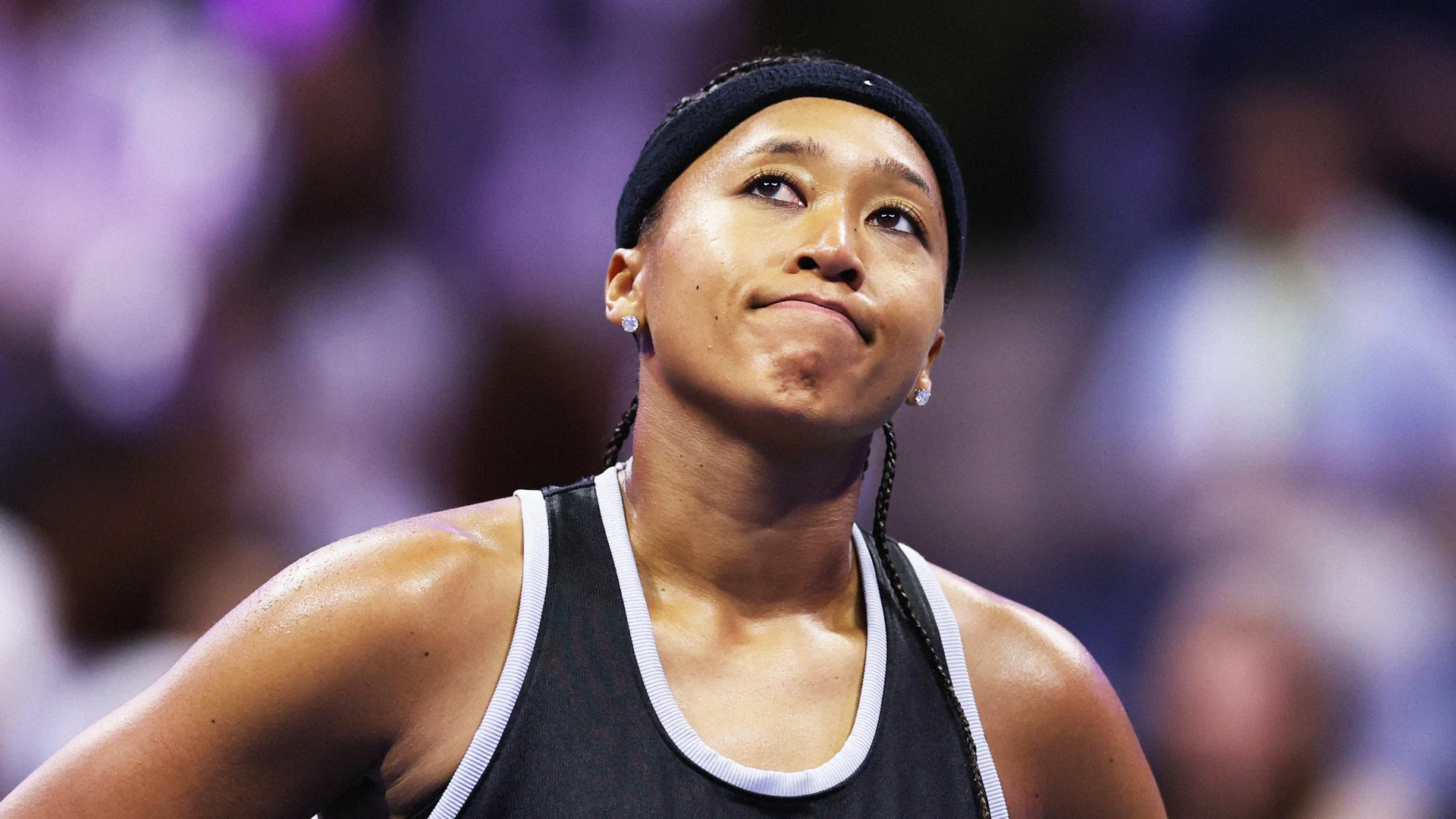
A disruptive influencer photoshoot during Naomi Osaka's match at Arthur Ashe Stadium has exposed mounting tensions between traditional tennis etiquette and modern sports entertainment.
Source image: inc.com
inc.comThe Clash of Digital Culture and Athletic Focus
The intersection of modern social media marketing and elite professional sports reached a volatile tipping point during Naomi Osaka's opening-round match at Arthur Ashe Stadium. As the four-time Grand Slam champion battled Anastasia Zakharova through a tense second-set sequence, chair umpire Kader Nouni was forced to abruptly halt play. The cause was not a medical emergency or a contested line call, but rather a group of accredited content creators staging an active photoshoot in a corporate hospitality suite. Equipped with portable ring lights, the individuals continued to generate bright artificial illumination and excessive noise while the athletes attempted to execute critical serves.
The disruption instantly drew sharp criticism across traditional sports media and digital platforms alike, laying bare the consequences of aggressive influencer-accreditation strategies. While tournament organizers across the global sporting landscape increasingly court digital influencers to capture younger demographics and drive viral engagement, this incident underscores the hidden operational costs of prioritizing social media metrics over core sporting traditions.
Why the US Open's Commercial Strategy is Under Fire
In recent years, major tennis properties have aggressively transformed their events into lifestyle spectacles, blending high-end fashion, corporate activations, and viral food and beverage marketing. While these initiatives successfully expand audience reach and boost short-term event revenue, they simultaneously dilute the foundational etiquette that governs tennis. Unlike sports where ambient noise is welcomed, tennis relies heavily on absolute crowd silence during active play to ensure optimal athlete concentration and fair competition.
- Erosion of Etiquette: Novice attendees frequently demonstrate a lack of familiarity with basic match rules, treating live competitions as backdrops for personal content creation.
- Competitive Disruption: Unscheduled stoppages and flashing lights directly interfere with an athlete's physical rhythm and mental focus during high-stakes moments.
- Alienation of Core Patrons: Long-term ticket holders and purists have grown increasingly vocal about commercial encroachment, rising ticket barriers, and declining spectator decorum.
Market Implications for Sports Entertainment and Sponsorships
For sports executives and corporate sponsors, the incident serves as a cautionary tale regarding brand alignment and event management. Modern sponsorship portfolios heavily emphasize digital impressions, user-generated content, and influencer partnerships. However, when those digital activations actively detract from the primary product—the athletic competition itself—the long-term equity of the tournament brand suffers.
Investors and rights-holders must recognize that premier sports franchises derive their core value from prestige, competitive integrity, and authenticity. If physical attendance becomes synonymous with chaotic social media stunts, tournaments risk eroding the premium viewing experience that commands high broadcast rights fees and luxury corporate sponsorships. Balancing digital growth strategies with stringent venue enforcement will dictate which sports properties successfully retain their prestige in the creator economy era.
What Investors and Tournament Executives Should Watch
As sports organizations map out their media and operational strategies for future Grand Slams, several critical indicators will determine how the industry adapts to the rise of creator culture:
- Stricter Venue Compliance: Look for major tournament committees to implement explicit behavioral codes, tighter restrictions on lighting equipment, and immediate revocation of credentials for disruptive guests.
- Zone-Based Seating Restructuring: Venues may increasingly segregate high-production influencer suites from traditional seating bowls to insulate athletes and purist fans from environmental disturbances.
- Sponsorship Metric Evolution: Brands will likely face pressure to measure ROI through qualitative engagement rather than disruptive, low-context stunts that alienate core sports consumers.
Ultimately, the Naomi Osaka incident proves that while the business of sports relies heavily on modern eyeballs and viral reach, the underlying product remains elite athletic competition. Failure to protect that boundary risks transforming world-class tournaments into unmanageable social media backdrops.
Continue reading
Related coverage in Business
nytimes.com
David Ellison Targets CNN Leadership Continuity in Paramount Merger Talks
David Ellison is currently negotiating to retain CNN CEO Mark Thompson without oversight from CBS editor in chief Bari Weiss as parent companies navigate merger plans.
2 min read
bbc.com
Decoding Nike’s Slump: How Strategic Missteps Cost the Sportswear Titan Its Edge
Explore the factors behind Nike's dramatic market decline. Industry analysts dissect the self-inflicted strategic errors that shook the sportswear giant.
3 min read
bbc.com
Treasury Committee Directs HMRC to Investigate Tax Implications of Manchester City Case
The UK Treasury Committee has called on HMRC to closely examine potential tax ramifications arising from the high-profile Manchester City legal verdict.
3 min read
nytimes.com
US Imposes Sanctions on Russian Firm A7 Over Global Shell Company Evasion Schemes
The United States targets Russian financial firm A7 with new sanctions following reports of utilizing global shell companies to bypass existing economic restrictions.
3 min read