Reviving a Craft Icon: New Ownership Bets on Heritage and Return to Roots After Bankruptcy
Following a Chapter 11 bankruptcy filing, Pittsburgh's historic Penn Brewery is changing hands as local industry veterans execute a strategic turnaround centered on authenticity.
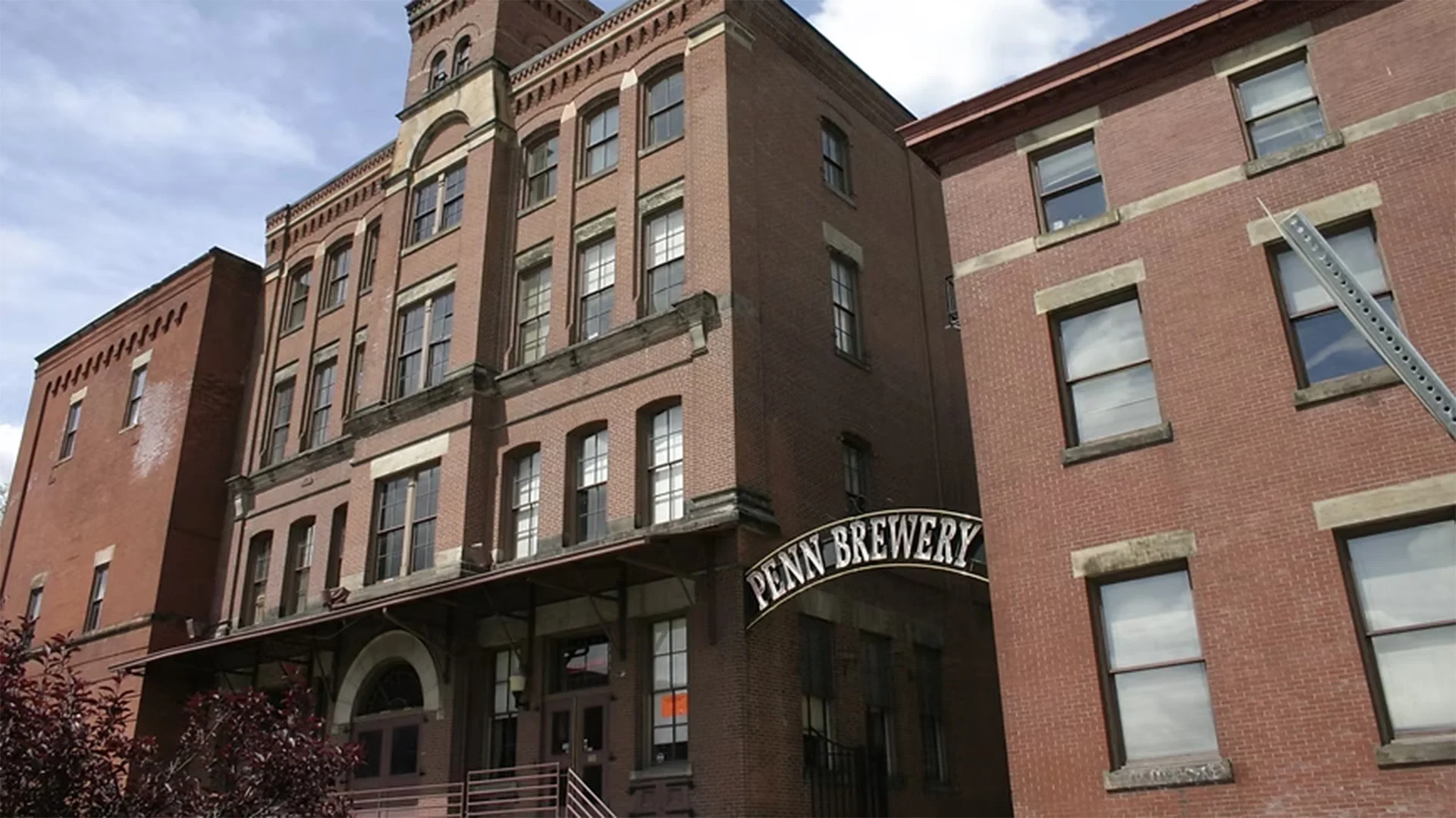
Source image: inc.com
inc.comA New Chapter for a Craft Beer Pioneer
The landscape of American craft brewing continues to undergo a ruthless Darwinian evolution. Months after Pittsburgh's historic Penn Brewery filed for Chapter 11 bankruptcy protection under the weight of roughly $5.1 million in liabilities, the region's oldest operating craft brewery is officially securing a new lease on life. A consortium of local hospitality and beverage veterans—led by Priory Hospitality Group CEO John Graf and industry executive Eric Heinauer—has stepped in to acquire the brand and business assets.
Established in 1986 by Tom and Mary Beth Pastorius, Penn Brewery was at the vanguard of the modern craft beer movement, long before microbreweries populated nearly every urban commercial district in the United States. Operating out of a historic Deutschtown site on Pittsburgh’s North Side where brewing roots stretch back to 1848, the company became synonymous with traditional Bavarian-style lagers brewed strictly under the 16th-century German purity law, the Reinheitsgebot. However, changing consumer palates, economic headwinds, and post-pandemic operational pressures ultimately pushed the enterprise into insolvency earlier this year.
The Turnaround Strategy: Betting on Authenticity Over Trends
Rather than attempting to reinvent the brand to chase fleeting consumer trends, the incoming ownership group is doubling down on heritage. In recent years, many legacy craft operations scrambled to capture market share by flooding shelves with hyper-hopped IPAs, pastry stouts, and hard seltzers, often diluting their core brand identity in the process. The new leadership team at Penn Brewery believes this strategy contributed to the brand losing its distinct market differentiation.
Instead, Graf and Heinauer are pivoting back to the fundamentals that built the brewery's reputation four decades ago:
- Re-centering on Core German Styles: Focusing heavily on authentic lagers, pilsners, and seasonal Bavarian offerings that set the brewery apart from generic craft competitors.
- Revitalizing the Hospitality Experience: Prioritizing the full restoration of on-site food service and maximizing the value of the historic Deutschtown destination venue.
- Leveraging Local Synergy: Integrating deep community ties and leveraging the operational footprint of Priory Hospitality Group to streamline management overhead and marketing efficiency.
- Protecting Institutional Knowledge: Retaining long-tenured brewing, kitchen, and front-of-house staff to maintain product consistency and institutional continuity.
Market Implications for the Broader Craft Beverage Sector
The restructuring and sale of Penn Brewery highlight a broader macroeconomic trend sweeping the artisanal beverage sector. Rapid market saturation, rising input costs for raw materials like malt and hops, and shifting demographics among alcohol consumers have severely compressed profit margins for mid-sized regional breweries. Capital markets have grown increasingly wary of speculative craft expansions, forcing a flight to quality, operational discipline, and localized brand equity.
For independent operators and investors, the Penn Brewery transaction serves as a case study in distressed asset recovery within consumer packaged goods. When legacy brands stumble, the playbook increasingly favors local strategic buyers who understand regional sentiment and possess existing infrastructure to absorb overhead, rather than private equity firms looking for rapid, generalized scale.
What Investors and Industry Watchers Should Monitor
As the acquisition awaits final customary approvals from the Pennsylvania Liquor Control Board, stakeholders across the regional food and beverage ecosystem should track several key performance indicators:
1. Distribution Footprint Rationalization: Watch whether the new owners scale back wide-net distribution in favor of high-margin, localized taproom sales and regional self-distribution, which often yields superior cash flow.
2. Experiential Revenue Recovery: Monitor the speed at which on-site dining and seasonal anchor events—such as their high-profile Oktoberfest celebrations—resume normal revenue generation to offset wholesale volatility.
3. Supply Chain and Real Estate Restructuring: Keep an eye on ongoing negotiations regarding the underlying real estate, as long-term margin stability for brick-and-mortar breweries heavily depends on sustainable property debt or lease structures.
Ultimately, Penn Brewery’s survival highlights a vital truth for mature consumer brands: enduring equity lies in authenticity. By anchoring the business back to its original identity, the new ownership group is making a calculated wager that timeless quality will outlast cyclical market fads.
Continue reading
Related coverage in Business
nytimes.com
David Ellison Targets CNN Leadership Continuity in Paramount Merger Talks
David Ellison is currently negotiating to retain CNN CEO Mark Thompson without oversight from CBS editor in chief Bari Weiss as parent companies navigate merger plans.
2 min read
bbc.com
Decoding Nike’s Slump: How Strategic Missteps Cost the Sportswear Titan Its Edge
Explore the factors behind Nike's dramatic market decline. Industry analysts dissect the self-inflicted strategic errors that shook the sportswear giant.
3 min read
bbc.com
Treasury Committee Directs HMRC to Investigate Tax Implications of Manchester City Case
The UK Treasury Committee has called on HMRC to closely examine potential tax ramifications arising from the high-profile Manchester City legal verdict.
3 min read
nytimes.com
US Imposes Sanctions on Russian Firm A7 Over Global Shell Company Evasion Schemes
The United States targets Russian financial firm A7 with new sanctions following reports of utilizing global shell companies to bypass existing economic restrictions.
3 min read