Primark Shatters Decades-Old Strategy With First-Ever UK Home Delivery Announcement
Fashion giant Primark is breaking its long-standing retail model by announcing plans to introduce home delivery services across Great Britain.
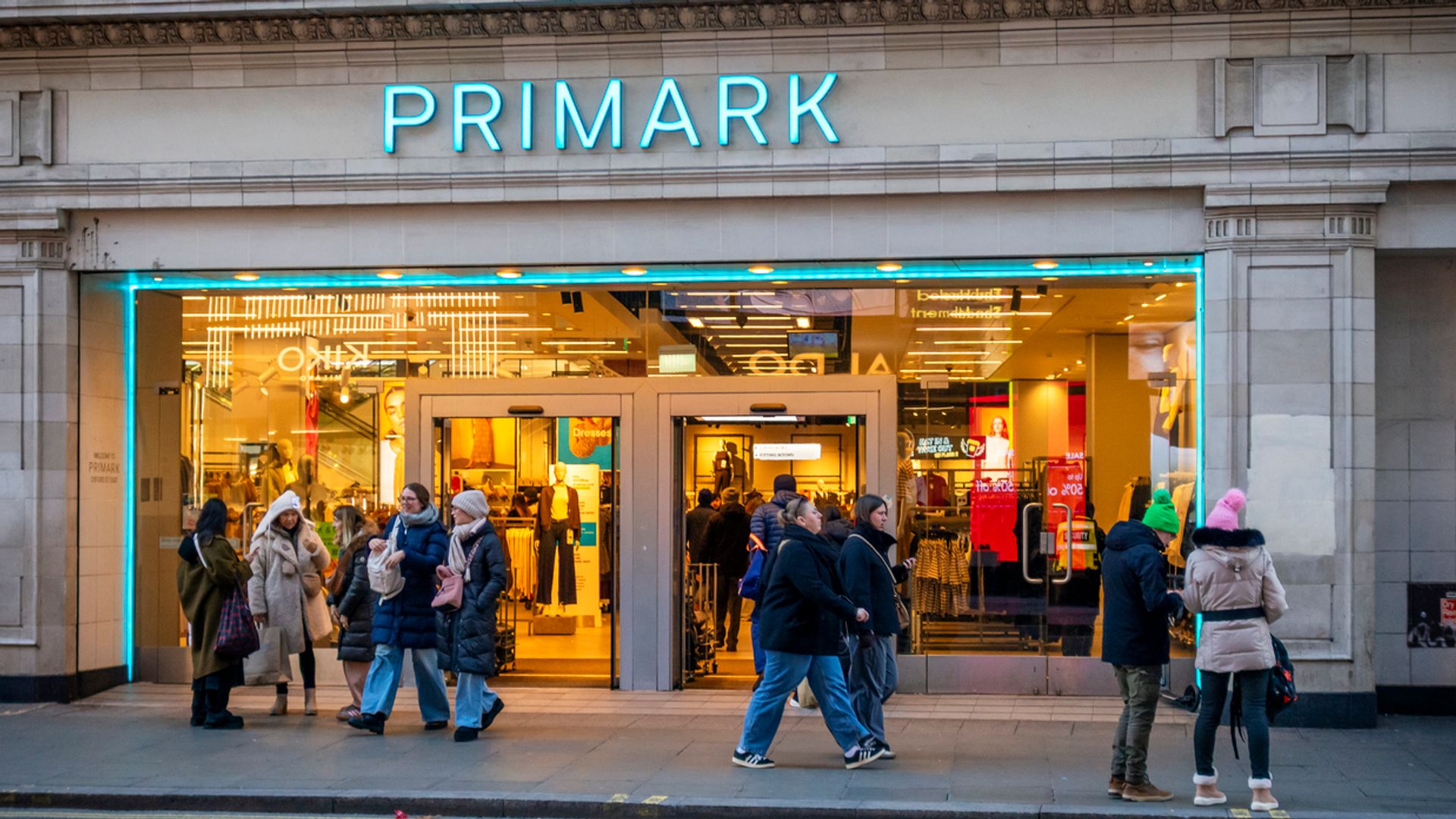
Source image: skynews.com
skynews.comA Watershed Moment for Value Retail
In what financial markets are interpreting as a monumental strategic U-turn, value-fashion titan Primark has officially announced plans to roll out direct-to-consumer home delivery services across Great Britain. For decades, the high-street institution—owned by parent conglomerate Associated British Foods (ABF)—has fiercely resisted entering the home delivery ecosystem, repeatedly arguing that the logistics costs of shipping low-priced garments would inevitably erode its tightly guarded profit margins.
However, shifting consumer habits, mounting competitive pressures from fast-fashion online giants, and the encouraging performance of its multi-channel trials have forced a re-evaluation of its operational blueprint. While an exact launch date for the home delivery channel has not yet been finalized, ABF leadership has confirmed that the capability is a core pillar of its future growth strategy for England, Scotland, and Wales.
Laying the Infrastructure: The £90 Million Sheffield Play
To support this structural evolution without destabilizing its core financial health, ABF has moved aggressively on the logistics front. The conglomerate has completed a £90 million acquisition of a highly automated distribution and fulfillment warehouse located in Sheffield, originally associated with the Debenhams Group.
This automated facility will serve as the primary operational backbone for Primark's upcoming e-commerce logistics network. Industry insiders note that investing heavily in automation is the only viable path for a high-volume, low-margin discounter to handle individual consumer parcels profitably. Key infrastructure developments include:
- Acquisition of a state-of-the-art automated fulfillment hub in Sheffield to streamline regional sorting and dispatch.
- Expansion of digital capabilities building directly upon the foundations laid by its ongoing click-and-collect trials across the UK.
- Strategic corporate restructuring, as ABF prepares to separate Primark from its grocery and agricultural divisions into an independent FTSE 100 entity by the end of 2027.
Market Implications and Competitive Pressures
Primark’s historic resistance to online delivery worked exceptionally well during periods of high footfall, relying on the classic synergy of drawing shoppers into physical stores where they naturally made additional impulse purchases. However, the retail landscape has shifted dramatically. Aggressive online-first competitors such as Shein, Temu, and digital-native marketplaces have permanently altered consumer expectations regarding convenience and accessibility.
Furthermore, recent trading updates from ABF revealed that while UK retail sales remained relatively resilient—edging up by 0.6% year-on-year—broader group sales felt the friction of unseasonal weather patterns and soft consumer confidence across continental Europe. By opening up a direct home delivery channel, Primark unlocks a new frontier for incremental top-line revenue, capturing demographics that prefer digital convenience over high-street shopping trips.
What Investors Should Watch
As ABF moves closer to executing its planned demerger of Primark into a standalone public company, market participants will be closely scrutinizing the execution of this e-commerce pivot.
Investors should monitor several critical vectors in the coming quarters:
- Margin Dilution vs. Volume Growth: How effectively automated logistics in Sheffield can absorb the high costs of last-mile delivery without forcing margin contraction.
- Demerger Timelines: Progress reports on the independent FTSE 100 listing for Primark targeted for late 2027.
- Digital Adoption Rates: The speed at which click-and-collect users transition to home delivery, and whether the new channel cannibalizes or complements existing foot traffic.
Ultimately, Primark’s decision to embrace home delivery marks the end of an era for traditional discount retail holdouts. Whether the company can successfully marry its ultra-low-cost operating model with the expensive realities of digital logistics remains the defining question for its next chapter of growth.
Continue reading
Related coverage in Business
nytimes.com
David Ellison Targets CNN Leadership Continuity in Paramount Merger Talks
David Ellison is currently negotiating to retain CNN CEO Mark Thompson without oversight from CBS editor in chief Bari Weiss as parent companies navigate merger plans.
2 min read
bbc.com
Decoding Nike’s Slump: How Strategic Missteps Cost the Sportswear Titan Its Edge
Explore the factors behind Nike's dramatic market decline. Industry analysts dissect the self-inflicted strategic errors that shook the sportswear giant.
3 min read
bbc.com
Treasury Committee Directs HMRC to Investigate Tax Implications of Manchester City Case
The UK Treasury Committee has called on HMRC to closely examine potential tax ramifications arising from the high-profile Manchester City legal verdict.
3 min read
nytimes.com
US Imposes Sanctions on Russian Firm A7 Over Global Shell Company Evasion Schemes
The United States targets Russian financial firm A7 with new sanctions following reports of utilizing global shell companies to bypass existing economic restrictions.
3 min read