Oxford Study Links Scalding Hot Beverage Habits to Significantly Higher Esophageal Cancer Risk
A major new study from Oxford University analyzing data from nearly 980,000 adults reveals a strong link between consuming very hot drinks and esophageal cancer risk.
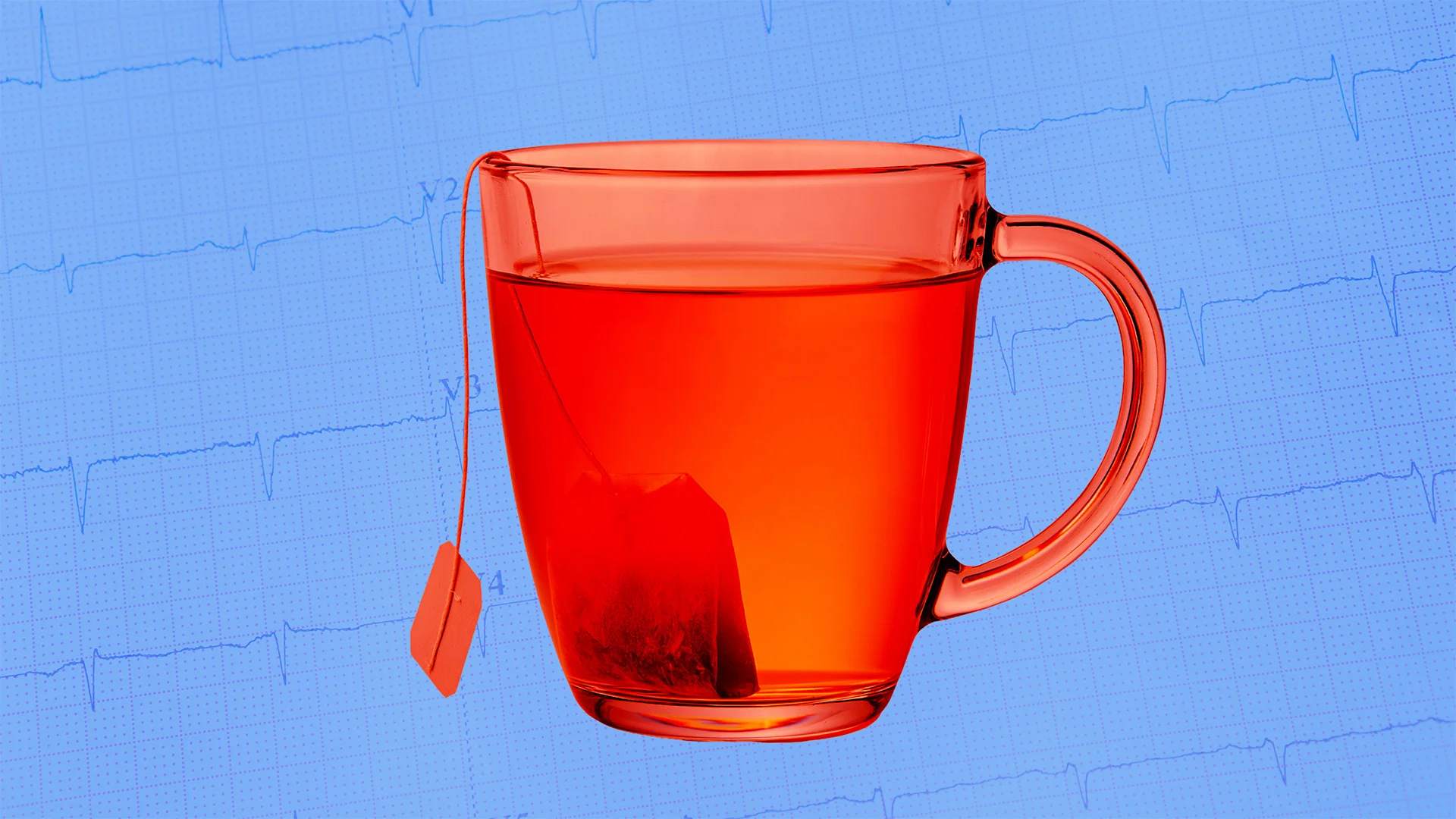
Source image: inc.com
inc.comUnderstanding the Oxford Study on Hot Beverages and Health
A comprehensive new research initiative led by epidemiologists at Oxford Population Health has brought renewed attention to a daily routine practiced by millions worldwide: drinking hot tea and coffee. Analyzing health records and dietary habits from approximately 980,000 adults across the United Kingdom, researchers sought to quantify the long-term health implications of beverage temperature. The study, published in the International Journal of Cancer, stands as the most extensive investigation to date addressing how thermal injury affects the human esophagus.
The data demonstrated a striking correlation between the preferred temperature of hot beverages and the incidence of esophageal squamous cell carcinoma (SCC)—a severe form of cancer affecting the lining of the food pipe. Participants who reported consuming their daily brews while “very hot” faced nearly triple the risk of developing SCC compared to counterparts who let their beverages cool down to a “warm” state. Furthermore, individuals who consumed six or more hot servings daily experienced a markedly higher overall risk, proving that frequency and thermal intensity compound over time.
The Biological Mechanics: Why Temperature Matters
From a physiological standpoint, the human esophagus is lined with sensitive mucosal tissue that is not evolutionarily adapted to endure repeated scalding. When liquids exceeding safe thermal thresholds are ingested on a regular basis, they induce chronic thermal trauma. This localized injury triggers continuous cellular repair mechanisms, increasing the statistical likelihood of genetic mutations over decades of consumption.
Interestingly, the Oxford researchers drew a clear line between esophageal squamous cell carcinoma and other variants like adenocarcinoma, noting that the temperature correlation specifically targets SCC. Public health agencies, including the World Health Organization's International Agency for Research on Cancer (IARC), have previously categorized very hot beverages as probable carcinogens, a classification that this extensive European cohort study strongly reinforces.
Broader Market Implications and Consumer Trends
While the absolute baseline risk of developing esophageal SCC remains relatively low in Western populations, the implications for consumer product industries, corporate wellness programs, and healthcare markets are notable:
- Consumer Packaged Goods (CPG): Beverage brands and appliance manufacturers may need to pivot messaging or product designs, emphasizing optimal consumption temperatures.
- Corporate Wellness Initiatives: Forward-thinking enterprises focusing on executive longevity and preventative healthcare are integrating nutritional and dietary habits into corporate wellness frameworks.
- Healthcare Economics: Understanding preventative lifestyle factors helps mitigate long-term oncology burdens and insurance payout escalations.
Actionable Takeaways for Executives and Investors
For high-performing professionals who rely on frequent doses of coffee or tea to maintain productivity throughout demanding workdays, the path forward does not require abandoning caffeine entirely. Instead, the data points to a simple, cost-free mitigation strategy: patience.
Allowing a freshly brewed beverage to sit for a few minutes before consumption dramatically drops its temperature below the injury threshold, preserving the comfort and ritual of the beverage without incurring unnecessary biological risks. As wellness-driven consumer behavior continues to shift toward preventative longevity, market participants should watch for emerging consumer tech—such as smart mugs with precise temperature controls—designed to optimize both flavor and long-term health safety.
Continue reading
Related coverage in Business
nytimes.com
David Ellison Targets CNN Leadership Continuity in Paramount Merger Talks
David Ellison is currently negotiating to retain CNN CEO Mark Thompson without oversight from CBS editor in chief Bari Weiss as parent companies navigate merger plans.
2 min read
bbc.com
Decoding Nike’s Slump: How Strategic Missteps Cost the Sportswear Titan Its Edge
Explore the factors behind Nike's dramatic market decline. Industry analysts dissect the self-inflicted strategic errors that shook the sportswear giant.
3 min read
bbc.com
Treasury Committee Directs HMRC to Investigate Tax Implications of Manchester City Case
The UK Treasury Committee has called on HMRC to closely examine potential tax ramifications arising from the high-profile Manchester City legal verdict.
3 min read
nytimes.com
US Imposes Sanctions on Russian Firm A7 Over Global Shell Company Evasion Schemes
The United States targets Russian financial firm A7 with new sanctions following reports of utilizing global shell companies to bypass existing economic restrictions.
3 min read