Oura Stakes Its Claim on the $25 Billion Menopause Market Through Major Health-Tech Partnerships
Wearable pioneer Oura is integrating its proprietary Menopause Impact Scale with ten prominent health providers to capture a surging share of the women's health sector.
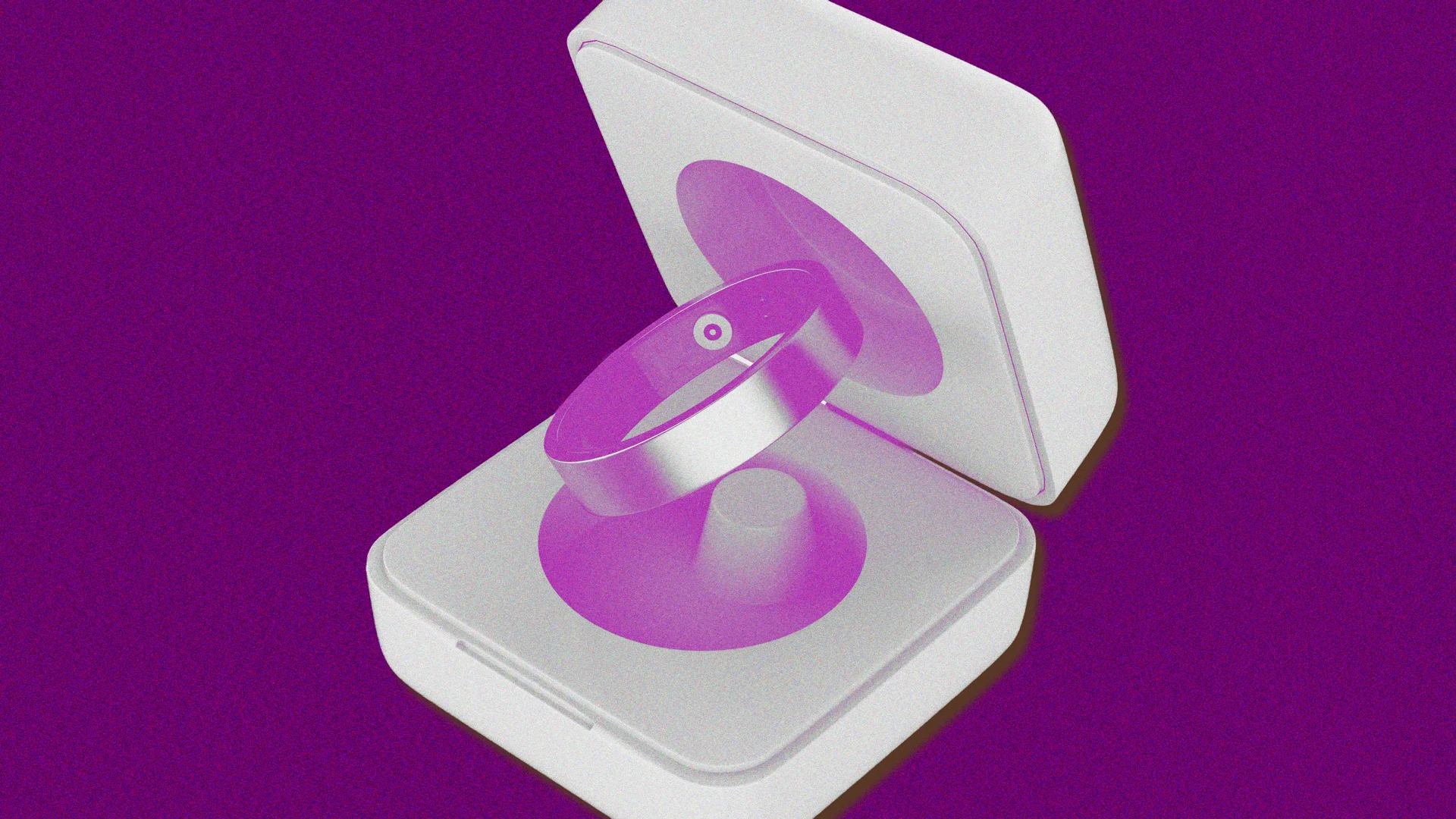
Source image: inc.com
inc.comOura Expands Its Clinical Footprint in Femtech
Oura Health, the prominent maker of the market-leading Oura Ring, is aggressively scaling its presence in the rapidly expanding women's health sector. The company announced a strategic initiative to integrate its proprietary Menopause Impact Scale (MIS) with ten real-world clinical and health technology providers. This move marks a pivotal shift for the wearable giant, moving beyond hardware-based biometric collection to embed its software diagnostics directly into the operational workflows of clinical care providers.
The collaborative network features an elite roster of digital health and specialized clinical companies split across three primary verticals:
- Menopause-Focused Clinical Care: Alloy Health, Gennev, Wisp, and Pomelo.
- Primary & Integrated Women's Health: Maven, Tia, and Xella.
- Hormone & Biomarker Tracking: Oova, Mira, and Hertility.
By connecting the dots between consumer hardware and professional medical care, Oura is positioning itself at the epicenter of the emerging femtech revolution, building a sticky ecosystem designed to retain users navigating mid-life health transitions.
Tackling a $25 Billion Market Opportunity
The strategic partnership addresses a massive, underserved financial and clinical opportunity. Industry analyses, including recent reports from PwC, project that the global menopause and perimenopause market will surge from roughly $15 billion to as much as $25 billion by 2030. Despite more than 40 million women aged 35 to 55 residing in the United States alone, menopause care has historically suffered from fragmentation, diagnostic delays, and social stigma.
Oura's MIS survey—which evaluates 22 distinct perimenopausal and postmenopausal symptoms across seven quality-of-life domains—has recorded close to a million completion sessions since its debut. By opening this data framework to external partners, Oura ensures that its application ecosystem acts as an indispensable diagnostic bridge rather than a standalone gadget feature.
Market Implications and the Push for Interoperability
For executives and enterprise investors, this announcement highlights a broader macroeconomic trend: the aggressive convergence of consumer electronics and clinical healthcare. Historically, data gathered by wearables like smart rings and fitness bands lived in isolated silos, viewed skeptically by traditional physicians due to a lack of standardization.
Oura’s cross-platform integration solves a critical friction point. As executive leadership noted, patients frequently recount fragmented symptom histories to multiple specialists without a continuous baseline. Providing a portable, clinically backed impact scale creates a unified medical language. This interoperability significantly enhances the valuation of Oura’s subscription model, driving customer lifetime value (LTV) and cementing hardware loyalty in an increasingly crowded smart ring marketplace challenged by heavyweights like Apple, Samsung, and Whoop.
What Investors Should Watch
As the femtech sector matures, institutional investors and venture capitalists should closely monitor several unfolding metrics:
- User Adoption and Conversion: Track how effectively partner clinics convert Oura app users into paying telehealth or specialized therapy patients.
- Regulatory and Compliance Milestones: Observe whether third-party integrations face heightened scrutiny under health data privacy frameworks given the sensitive nature of biometric and reproductive data tracking.
- Competitive Retaliation: Monitor competing wearable developers to see if platforms like Whoop, Ultrahuman, or Apple accelerate their own clinical partnership pipelines to match Oura's interoperability.
Oura’s latest maneuver proves that hardware hardware differentiation alone is no longer enough to win the modern digital health race. By anchoring its product line into core clinical networks, Oura is transforming from a sleep-tracking novelty into an essential infrastructure provider for women's healthcare.
Continue reading
Related coverage in Business
nytimes.com
David Ellison Targets CNN Leadership Continuity in Paramount Merger Talks
David Ellison is currently negotiating to retain CNN CEO Mark Thompson without oversight from CBS editor in chief Bari Weiss as parent companies navigate merger plans.
2 min read
bbc.com
Decoding Nike’s Slump: How Strategic Missteps Cost the Sportswear Titan Its Edge
Explore the factors behind Nike's dramatic market decline. Industry analysts dissect the self-inflicted strategic errors that shook the sportswear giant.
3 min read
bbc.com
Treasury Committee Directs HMRC to Investigate Tax Implications of Manchester City Case
The UK Treasury Committee has called on HMRC to closely examine potential tax ramifications arising from the high-profile Manchester City legal verdict.
3 min read
nytimes.com
US Imposes Sanctions on Russian Firm A7 Over Global Shell Company Evasion Schemes
The United States targets Russian financial firm A7 with new sanctions following reports of utilizing global shell companies to bypass existing economic restrictions.
3 min read