Oracle Co-Founder Larry Ellison Abruptly Scraps $7.5 Billion Stock Sale Plan Amid Market Headwinds
Oracle Executive Chairman Larry Ellison has canceled a planned $7.5 billion stock sale, signaling strong internal confidence as the firm navigates heavy AI infrastructure investments.
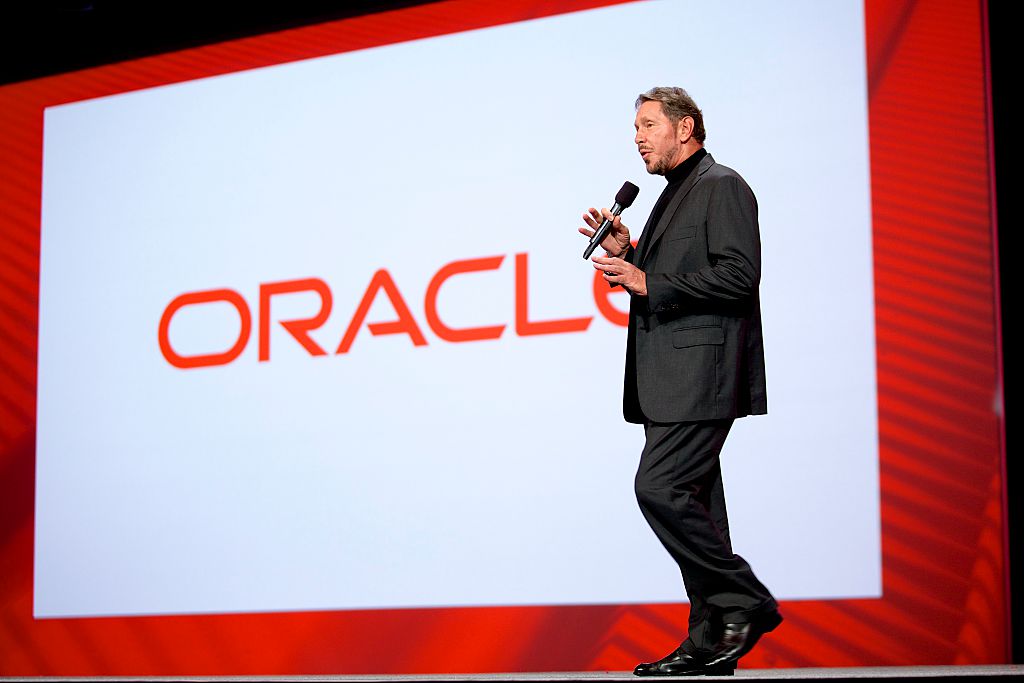
Source image: techcrunch.com
techcrunch.comAn Unexpected Reversal at the Top
In a surprising development that has sent ripples through institutional investment circles, Oracle Corporation Executive Chairman and Chief Technology Officer Larry Ellison has officially canceled a major trading plan that would have permitted the sale of up to 50 million shares. Valued at approximately $7.5 billion based on prevailing market metrics, the Rule 10b5-1 trading arrangement was originally adopted on June 22 and was scheduled to run through October 24. However, following a regulatory disclosure, Oracle confirmed that the plan has been entirely scrapped without a single share being sold.
The rapid about-face has drawn significant attention from market observers, corporate governance experts, and long-term shareholders. Ellison, who founded the tech giant in 1977 and maintains a controlling stake of over 38% in the enterprise, remains deeply tied to Oracle's future trajectory. Company representatives verified that Ellison currently harbors no alternative plans to reduce his substantial equity holdings, cementing his position as the anchor of the firm's leadership structure.
Contextualizing the Capital Strategy and Market Pressure
The cancellation arrives at a complex juncture for Oracle. The enterprise software pioneer has been aggressively pivoting to capture market share in the explosive artificial intelligence cloud infrastructure sector. While this strategic pivot has yielded remarkable growth in cloud services and expanded forward-looking performance obligations, it has simultaneously required massive capital expenditures. Heavy debt accumulation and pressures on free cash flow have weighed heavily on investor sentiment, pushing Oracle's equity down roughly 23% over the course of the year.
Furthermore, Oracle's recent financial disclosures highlighted mixed signals, including narrowing gross margins and upwardly revised restructuring costs tied to broader corporate optimization efforts. Against this backdrop of heightened spending and volatile share performance, the initial news of a multi-billion-dollar insider liquidation plan had stirred mixed reactions on Wall Street. By abruptly pulling the plug on the transaction, Ellison has effectively neutralized concerns regarding potential insider divestment during a sensitive operational phase.
Market Implications and Executive Signaling
For institutional investors and market strategists, insider trading plans executed—or in this case, cancelled—by controlling stakeholders serve as vital psychological and financial indicators. Ellison's decision to walk away from cashing out $7.5 billion can be interpreted as a formidable vote of confidence in Oracle's underlying asset value and long-term strategic roadmap:
- Valuation Perspective: By retaining his shares during a depressed valuation cycle, Ellison signals his belief that current market pricing does not accurately reflect Oracle's true intrinsic value or its artificial intelligence potential.
- Leadership Alignment: Institutional shareholders heavily favor executive alignment; keeping his multi-billion-dollar stake intact ensures that Ellison's financial outcomes remain entirely synchronized with public investors.
- Strategic Resilience: The move reassures the market that leadership is committed to weathering the capital-intensive infrastructure build-out without signaling internal panic over near-term margin compressions.
What Investors Should Monitor Moving Forward
As Wall Street digests the withdrawal of Ellison's trading plan, market participants should keep a close eye on several critical catalysts. Oracle's ability to convert its massive cloud pipeline and remaining performance obligations into high-margin, realized revenue remains the primary fundamental metric for valuation recovery. Additionally, upcoming corporate milestones—such as planned agentic AI accelerator demonstrations and forthcoming dividend distributions—will test whether operational execution can mend investor confidence.
Ultimately, Larry Ellison's choice to halt his stock sale stands as one of the most prominent insider signals of the quarter. Whether this foreshadows an impending operational rebound or simply underscores a billionaire founder's unwavering commitment to his enterprise, investors will be watching closely as Oracle navigates its capital-heavy cloud expansion.
Continue reading
Related coverage in Technology
techcrunch.com
OpenAI Integrates Virtual Try-On and Shopping Features into ChatGPT
OpenAI introduces new shopping capabilities to ChatGPT, allowing users to virtually try on apparel and accessories using personal photos and save favorites.
3 min read
techcrunch.com
Google Launches First Advanced Chip for Space Data Centers as SpaceX Launch Demands Mount
Google has launched its first advanced chip into orbit to pave the way for space data centers, though executives estimate SpaceX's Starship must fly 1,800 times first.
2 min read
techcrunch.com
Fervo Energy Completes World's First Enhanced Geothermal Power Plant in Record 23 Months
Fervo Energy has successfully completed the world's first enhanced geothermal power plant in under two years, signaling a major breakthrough for clean energy infrastructure.
3 min read
techcrunch.com
Opus 5.5 AI Writing Tells Reveal Unique Statistical Signatures for Investors and Executives
New research into Opus 5.5's generated text uncovers distinct linguistic signatures, such as the frequent overuse of the word dependable, signaling major shifts in content identification.
3 min read