Nvidia’s $12.9 Billion Hugging Face Acquisition Solidifies Jensen Huang’s Vertical Monopoly
Nvidia’s massive $12.93 billion acquisition of open-source AI hub Hugging Face bridges hardware dominance with software infrastructure, minting new tech wealth.
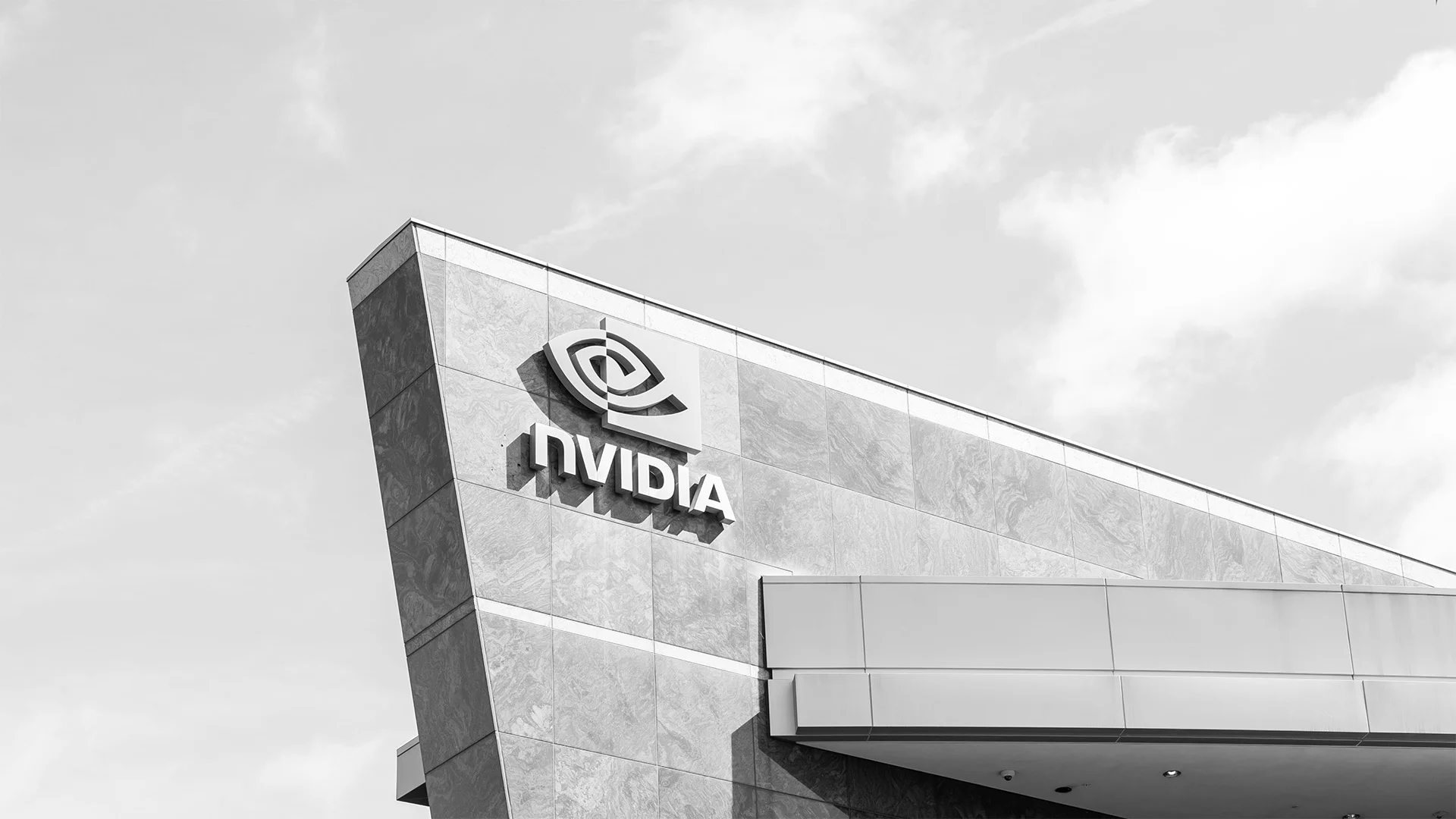
Source image: inc.com
inc.comThe Anatomy of a Landmark AI Transaction
In a move that fundamentally reshapes the artificial intelligence landscape, semiconductor titan Nvidia has officially agreed to acquire Hugging Face, the world's premier open-source AI model repository, for a staggering $12.93 billion. The deal—comprising approximately $11.9 billion in cash and stock for equity holders alongside a $1 billion employee retention pool—represents one of the largest acquisitions in the history of the tech sector. For Nvidia CEO Jensen Huang, the transaction is more than an expansion of the corporate portfolio; it is a masterclass in strategic market positioning.
Founded in 2016 by Clément Delangue, Julien Chaumond, and Thomas Wolf, Hugging Face evolved from a rudimentary chatbot application into the absolute epicenter of the open-source artificial intelligence movement. Today, the platform supports upwards of 18 million developers, researchers, and creators who collaborate on millions of models, datasets, and applications. By bringing this ecosystem under its corporate umbrella, Nvidia has effectively bridged the gap between raw hardware manufacturing and developer-level execution.
Strategic Rationale: Hedging Against In-House Silicon
Market analysts and institutional investors have closely scrutinized the motivations behind the acquisition, particularly given Nvidia’s near-monopoly on high-performance GPUs. Major cloud providers and hyperscalers—including Meta, Microsoft, and Amazon—have increasingly invested in proprietary, in-house artificial intelligence silicon to reduce their reliance on Nvidia’s costly and supply-constrained processors.
By securing Hugging Face, Jensen Huang has established a powerful counter-strategy:
- Vertical Integration: Nvidia now controls the underlying hardware, the CUDA software architecture, and the primary software layer where global developers discover and deploy AI models.
- Ecosystem Capture: Even as competitors design alternative chips, the developer mindshare remains deeply anchored within the Hugging Face repository.
- Diversification of Revenue Streams: Acquiring a software-as-a-service and developer hub provides a resilient buffer against potential cyclical slowdowns in enterprise hardware spending.
Market Implications and Neutrality Concerns
The announcement immediately sparked intense debate across the tech community regarding the future of open-source neutrality. Historically, Hugging Face functioned as the Switzerland of artificial intelligence, remaining strictly hardware- and cloud-agnostic. Recognizing these apprehension points, Jensen Huang issued an immediate reassurance to the developer community, emphasizing that the platform would remain open to all ecosystems.
According to Nvidia's executive team, developers utilizing Hugging Face will retain complete autonomy over their choice of computing platforms, cloud providers, and model frameworks, with Nvidia hardware remaining strictly optional for deployment. Nevertheless, Wall Street analysts remain watchful, noting that regulatory scrutiny from antitrust authorities in both the United States and the European Union will likely be rigorous before the transaction closes.
What Investors Should Watch Moving Forward
For institutional investors and market participants, several critical milestones will dictate the success and trajectory of this historic transaction:
- Regulatory Hurdles: Monitor antitrust reviews and potential conditions imposed by global trade regulators concerned with vertical consolidation in artificial intelligence.
- Developer Retention: Assess whether key open-source contributors and top-tier talent remain with Hugging Face throughout the multi-year integration phase.
- Competitive Response: Observe how major cloud competitors—such as Amazon, Google, and Microsoft—adjust their open-source strategies and whether they migrate support to alternative repositories.
Ultimately, Jensen Huang’s bold bet on Hugging Face underscores a definitive truth of the modern digital economy: hardware dominance alone is insufficient for long-term supremacy. By capturing the foundational layer where the next generation of software is built, Nvidia has future-proofed its empire for the next decade of technological evolution.
Continue reading
Related coverage in Business
nytimes.com
David Ellison Targets CNN Leadership Continuity in Paramount Merger Talks
David Ellison is currently negotiating to retain CNN CEO Mark Thompson without oversight from CBS editor in chief Bari Weiss as parent companies navigate merger plans.
2 min read
bbc.com
Decoding Nike’s Slump: How Strategic Missteps Cost the Sportswear Titan Its Edge
Explore the factors behind Nike's dramatic market decline. Industry analysts dissect the self-inflicted strategic errors that shook the sportswear giant.
3 min read
bbc.com
Treasury Committee Directs HMRC to Investigate Tax Implications of Manchester City Case
The UK Treasury Committee has called on HMRC to closely examine potential tax ramifications arising from the high-profile Manchester City legal verdict.
3 min read
nytimes.com
US Imposes Sanctions on Russian Firm A7 Over Global Shell Company Evasion Schemes
The United States targets Russian financial firm A7 with new sanctions following reports of utilizing global shell companies to bypass existing economic restrictions.
3 min read