Nike’s Rent-Priced Sprint Stunts Spark Dystopian Backlash and Marketing Debate
Nike's high-stakes 100-meter street race offering $4,000 toward NYC rent ignited fierce online backlash, with critics comparing the promotional stunt to dystopian fiction.
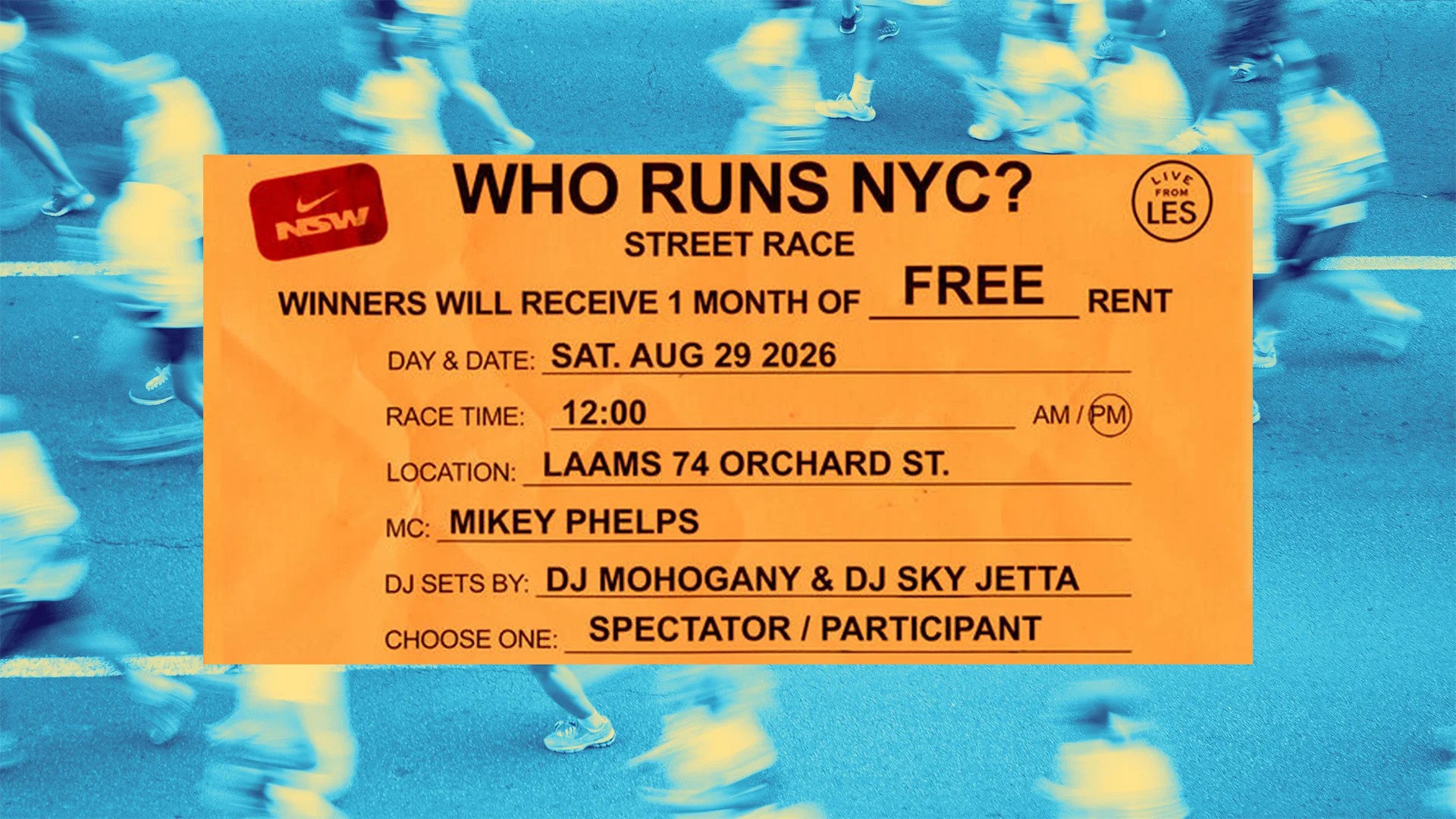
Source image: inc.com
inc.comThe Rise of Gamified Survival Marketing
In an era defined by aggressive consumer acquisition strategies and soaring urban living costs, major global brands are continually pushing the envelope to capture attention. Athletic footwear titan Nike recently found itself at the center of a cultural firestorm following its high-profile promotional event on New York City's Lower East Side. Titled 'Who Runs NYC?', the activation transformed a stretch of Orchard Street into a competitive 100-meter dash where two victors—one male and one female—walked away with up to $4,000 each earmarked for a month of housing costs.
While the sporting goods manufacturer framed the event as an energetic celebration of local running culture and urban community spirit, the public reaction was sharply divided. Social media commentators quickly seized upon the premise, drawing unfavorable parallels between modern economic precarity and dystopian narratives like The Hunger Games or Squid Game. For executives and marketing strategists, the campaign offers a fascinating case study in the fine line between innovative experiential marketing and tone-deaf engagement.
Anatomy of the Backlash: Context and Consumer Sentiment
The core friction point of Nike’s stunt lies in the intersection of corporate branding and acute economic anxiety. With Manhattan’s median market-rate rents hovering around the $5,000 threshold, a $4,000 cash prize—while substantial—frequently falls short of covering a full month's rent in prime neighborhoods. Critics argued that turning basic living necessities into a physical competition for corporate entertainment trivializes the harsh realities of the housing affordability crisis.
However, defenders of the event noted that other financial technology platforms, such as Bilt Rewards with its celebrity-hosted 'Rent Free' game shows, have successfully gamified housing expenses without incurring similar levels of outrage. The discrepancy largely stems from the physical nature of Nike's competition and the raw vulnerability of participants sprinting for a utility as fundamental as shelter. When corporate entities tie promotional rewards to survival-level expenditures, public scrutiny inevitably intensifies.
Market Implications for Experiential Retail
For investors and brand architects, this incident underscores shifting paradigms in retail marketing. Traditional product placement and standard digital advertising are increasingly yielding to high-engagement experiential activations designed to generate viral social media moments. Nike has long relied on community-driven running culture to cement brand loyalty, but leveraging structural economic pressures marks a distinct pivot.
- Heightened Scrutiny: Consumers are quick to punish brands perceived as exploiting macroeconomic hardships for promotional gain.
- The Line Between Entertainment and Exploitation: Gamifying luxury items versus essential needs requires vastly different risk-management frameworks.
- Community Engagement Evolution: Brand activations must balance competitive thrill with genuine social awareness to maintain executive-tier brand equity.
What Investors Should Watch
As marketing budgets increasingly favor experiential and shock-value stunts over traditional media, corporate governance and brand safety committees must evaluate the long-term ROI against potential reputational damage. Investors should monitor how consumer-facing giants navigate public sentiment regarding economic inequality. While viral engagement metrics look favorable on quarterly review decks, sustained brand equity relies heavily on maintaining cultural resonance without alienating core consumer demographics.
Ultimately, Nike's sprint contest highlights a broader market truth: in a hyper-competitive attention economy, brands that dance on the edge of cultural sensitivities risk turning their target audience into reluctant contestants of a modern economic theater.
Continue reading
Related coverage in Business
nytimes.com
David Ellison Targets CNN Leadership Continuity in Paramount Merger Talks
David Ellison is currently negotiating to retain CNN CEO Mark Thompson without oversight from CBS editor in chief Bari Weiss as parent companies navigate merger plans.
2 min read
bbc.com
Decoding Nike’s Slump: How Strategic Missteps Cost the Sportswear Titan Its Edge
Explore the factors behind Nike's dramatic market decline. Industry analysts dissect the self-inflicted strategic errors that shook the sportswear giant.
3 min read
bbc.com
Treasury Committee Directs HMRC to Investigate Tax Implications of Manchester City Case
The UK Treasury Committee has called on HMRC to closely examine potential tax ramifications arising from the high-profile Manchester City legal verdict.
3 min read
nytimes.com
US Imposes Sanctions on Russian Firm A7 Over Global Shell Company Evasion Schemes
The United States targets Russian financial firm A7 with new sanctions following reports of utilizing global shell companies to bypass existing economic restrictions.
3 min read