New Liver Research Unlocks Critical Pathway for Alcohol-Induced Damage Recovery
Recent scientific findings reveal a major exception to natural liver healing after alcohol cessation, pointing to new therapeutic pathways for biotechnology investors.
Source image: inc.com
inc.comUnderstanding the Limits of Natural Liver Regeneration
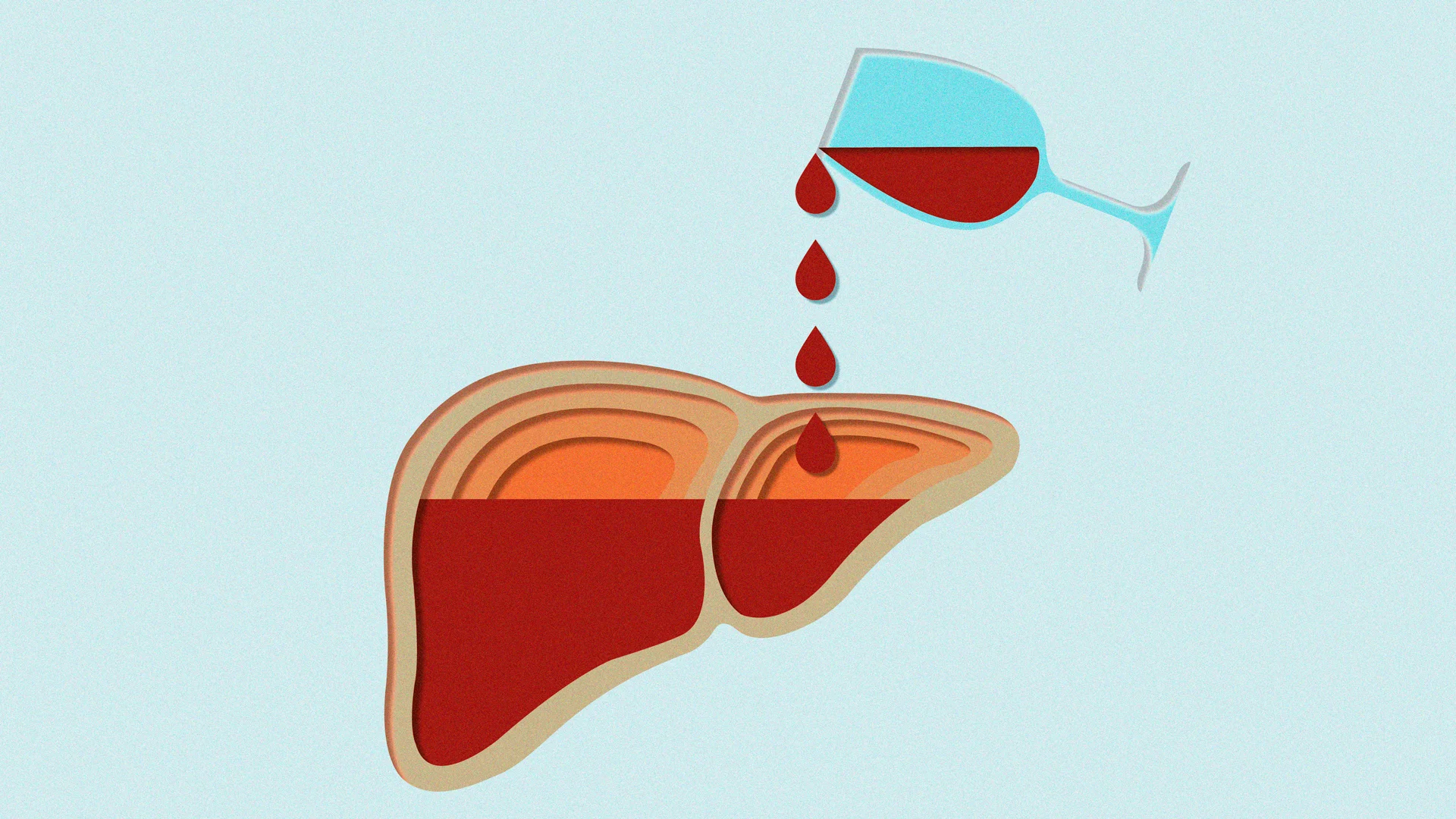
For decades, conventional medical wisdom held that the human liver possessed an extraordinary capacity to regenerate once the source of toxic strain—such as chronic alcohol consumption—was removed. However, groundbreaking recent research highlights a major exception to this biological rule. Scientists have discovered that chronic alcohol-related inflammation can fundamentally alter and disrupt the organ's core healing mechanisms, stalling recovery long after an individual stops drinking.
This discovery challenges long-held assumptions within both the medical community and the pharmaceutical sector. Rather than a straightforward rebound effect post-cessation, a subset of patients experiences persistent cellular roadblocks that prevent complete tissue restoration. For investors tracking the intersection of healthcare, biotech, and therapeutics, redefining how we understand organ recovery shifts the valuation framework for chronic disease treatments.
The Core Mechanism: Unlocking the Cellular Repair Pathway
At the center of this breakthrough is the identification of a specific biological pathway that regulates inflammation-induced scarring and tissue dysfunction. When persistent alcohol exposure triggers immune responses within the liver, specific cellular signaling channels become locked in a destructive loop. The recent study successfully mapped out how this pathway operates, providing a clear molecular target for drug developers.
Key takeaways from the research mechanics include:
- Inflammatory Trapping: Chronic exposure creates a feedback loop that halts standard regenerative signaling.
- Molecular Mapping: Researchers have isolated the exact protein pathways responsible for blocking tissue repair.
- Targeted Intervention: The newly identified pathway presents a viable pharmacological target to restart the healing process artificially.
Market Implications for Healthcare and Biotech Investors
The implications of this study stretch far beyond gastroenterology clinics, directly impacting the biotechnology and pharmaceutical landscapes. Liver disease represents a massive, underserved global healthcare market with significant economic burdens. Current therapeutic options remain limited, making novel targets highly attractive for venture capital and strategic pharmaceutical acquisitions.
As biotech firms race to develop small-molecule drugs or biologic therapies capable of modulating this newly discovered pathway, investors should look closely at early-stage pipeline developments. Companies specializing in fibrosis, immunology, and metabolic liver disorders stand to gain the most from translating these findings into clinical-stage assets.
What Investors and Executives Should Watch Next
For executive leadership and market analysts monitoring this space, the focus now shifts from basic science to translational medicine and commercial application. Several critical milestones will dictate market momentum over the coming quarters:
- Preclinical Pipeline Expansion: Watch for biotech startups filing patents around the targeted modulation of this specific repair pathway.
- Biomarker Development: The creation of diagnostic tools to identify patients trapped in this non-healing subset will accelerate clinical trial recruitment.
- Pharma Partnerships: Expect major pharmaceutical players to initiate licensing agreements or acquisition talks with agile biotech innovators possessing proprietary access to these pathways.
Ultimately, while the revelation that the liver does not always heal automatically upon alcohol cessation presents a sobering clinical reality, it simultaneously unlocks immense commercial and therapeutic opportunities. By shining a light on previously hidden cellular roadblocks, researchers have paved the way for the next generation of life-saving interventions.
Continue reading
Related coverage in Business
nytimes.com
David Ellison Targets CNN Leadership Continuity in Paramount Merger Talks
David Ellison is currently negotiating to retain CNN CEO Mark Thompson without oversight from CBS editor in chief Bari Weiss as parent companies navigate merger plans.
2 min read
bbc.com
Decoding Nike’s Slump: How Strategic Missteps Cost the Sportswear Titan Its Edge
Explore the factors behind Nike's dramatic market decline. Industry analysts dissect the self-inflicted strategic errors that shook the sportswear giant.
3 min read
bbc.com
Treasury Committee Directs HMRC to Investigate Tax Implications of Manchester City Case
The UK Treasury Committee has called on HMRC to closely examine potential tax ramifications arising from the high-profile Manchester City legal verdict.
3 min read
nytimes.com
US Imposes Sanctions on Russian Firm A7 Over Global Shell Company Evasion Schemes
The United States targets Russian financial firm A7 with new sanctions following reports of utilizing global shell companies to bypass existing economic restrictions.
3 min read