Navigating the Crossroads: Federal Reserve Chair Kevin Warsh Faces a High-Stakes Policy Decision Amid Surging Energy Pressures
Federal Reserve Chair Kevin Warsh faces a defining policy test as markets price in an imminent rate hike, though stubborn inflation driven by geopolitical shocks complicates the narrative.
Source image: inc.com
inc.comThe Policy Dilemma Facing Federal Reserve Leadership
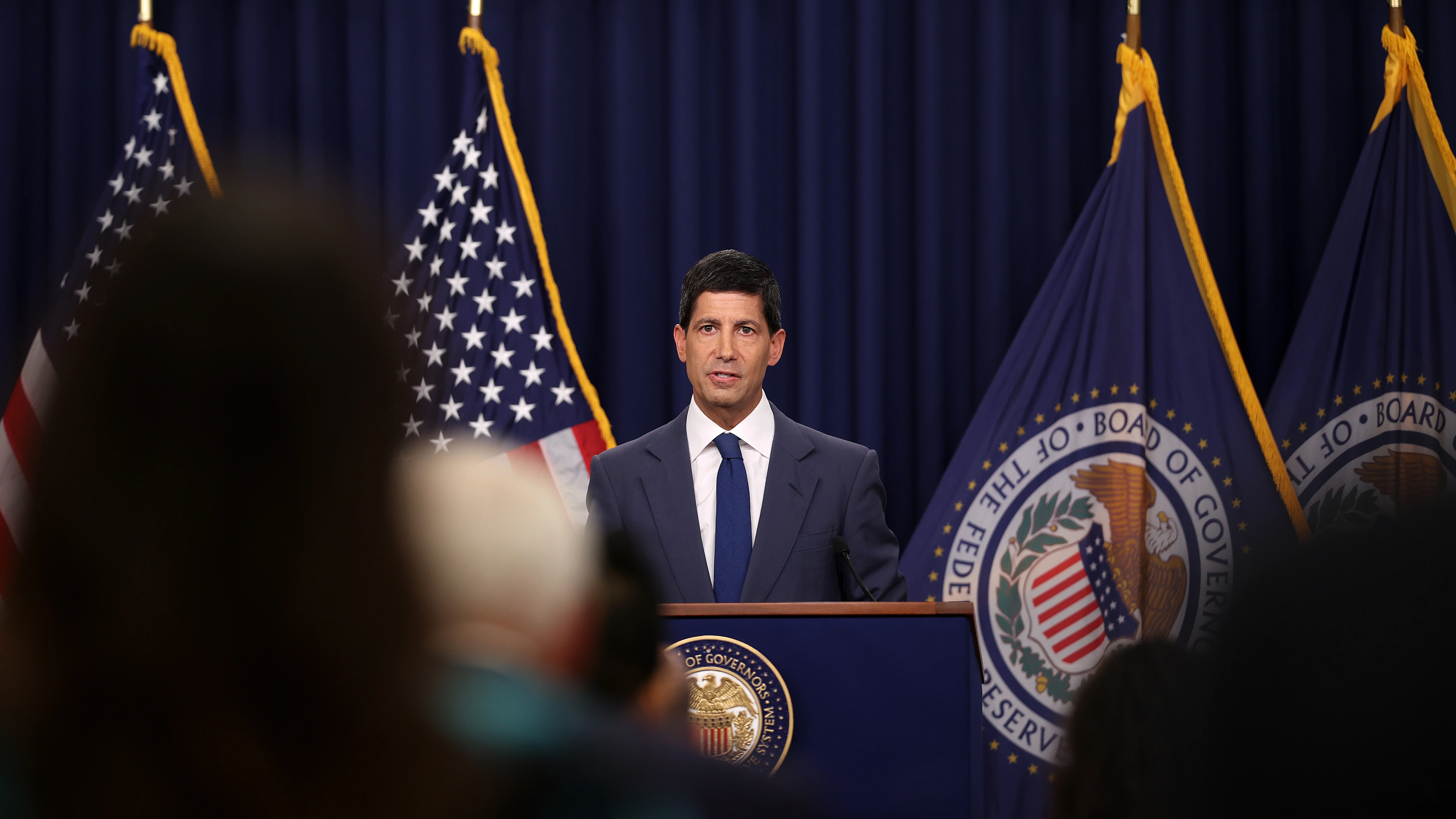
As Wall Street braces for the upcoming Federal Open Market Committee decision, Federal Reserve Chair Kevin Warsh is confronting the most critical test of his tenure thus far. Financial markets have swiftly recalibrated their expectations, shifting from a balanced coin-flip outlook to pricing in an overwhelming probability of a 25 basis point interest rate hike. This dramatic pivot was catalyzed by August core inflation metrics that marginally exceeded consensus forecasts, reminding investors that domestic price pressures remain sticky well above the central bank's stated targets.
Yet, framing this juncture solely around traditional inflation metrics risks missing a far more complex economic reality. Warsh has spent his initial months at the helm dismantling the heavy forward guidance style of his predecessors, striving instead to restore a culture where markets price data independently rather than relying on explicit central bank roadmaps. This philosophical shift has left a communication vacuum, which Wall Street has eagerly filled with hawkish consensus bets. The fundamental question for executives and investors is whether Warsh will ratify these market expectations or chart an independent course that looks past temporary external shocks.
Dissecting the Drivers Behind Sticky Price Pressures
A granular examination of recent economic reports demonstrates that inflation is not moving in a vacuum. A significant portion of recent consumer price gains stems directly from surging energy costs—specifically spikes in gasoline and jet fuel—attributable to ongoing geopolitical conflicts in the Middle East and critical shipping lane disruptions around the Strait of Hormuz.
For monetary policymakers, this dynamic introduces a severe policy puzzle:
- Supply-Side Shocks vs. Demand Management: Traditional interest rate adjustments are blunt instruments designed to cool aggregate domestic demand. They possess little efficacy in rapidly resolving international supply chain bottlenecks or localized geopolitical energy crises.
- Labor Market Resilience: Unlike historical tightening cycles where higher rates quickly triggered labor contractions, the U.S. labor market continues to display robust health, with steady job additions and low unemployment hovering near 4.1 percent.
- Credibility Tradeoff: Opting to pause rate hikes risks signaling a lack of resolve against inflation or inviting political friction, whereas executing a hike in the face of supply-driven shocks risks tightening financial conditions prematurely.
Market Implications and Strategic Outlook for Investors
The broader financial implications of Warsh's policy approach extend far beyond the immediate trajectory of the federal funds rate. By stepping back from explicit forward guidance, Warsh is deliberately fostering an environment of heightened market accountability—and consequently, higher potential volatility. Asset classes that thrived during periods of predictable, dovish central bank backstops are being forced to re-evaluate their underlying valuations in light of shifting real yield structures.
Equity investors, particularly within growth-heavy sectors such as artificial intelligence and high-multiple technology, must recognize that the central bank does not need to aggressively push borrowing costs higher to impact market sentiment. Merely allowing market-implied yields to rise in response to incoming data creates a tightening effect that naturally compresses equity multiples. Bond markets have already begun reflecting this transition, with longer-term Treasury yields experiencing upward drift as investors demand higher term premia.
What Executives and Market Participants Should Watch
As the Federal Reserve navigates this critical policy window, stakeholders should monitor several key indicators to anticipate future macroeconomic shifts:
- Dissenting Votes and Internal Consensus: Pay close attention to whether regional Fed presidents echo the divided voting patterns seen in prior meetings, which would signal underlying ideological friction regarding the neutral rate.
- Core PCE vs. Headline CPI Spreads: Disentangling volatile energy components from core services inflation will provide a clearer picture of whether underlying domestic price trends are genuinely re-accelerating or merely absorbing transient geopolitical shocks.
- Credit Spreads and Lending Standards: True to Warsh's stated framework, evaluating corporate debt issuance, bank lending behavior, and credit spreads will offer better insights into actual financial conditions than headline policy rates alone.
Ultimately, Kevin Warsh is attempting to steer the Federal Reserve back toward a traditional, less predictable monetary posture. For sophisticated market participants, navigating this era requires looking past headline narratives and focusing intently on the raw economic data and evolving credit environments that will ultimately dictate the central bank's next move.
Continue reading
Related coverage in Business
nytimes.com
David Ellison Targets CNN Leadership Continuity in Paramount Merger Talks
David Ellison is currently negotiating to retain CNN CEO Mark Thompson without oversight from CBS editor in chief Bari Weiss as parent companies navigate merger plans.
2 min read
bbc.com
Decoding Nike’s Slump: How Strategic Missteps Cost the Sportswear Titan Its Edge
Explore the factors behind Nike's dramatic market decline. Industry analysts dissect the self-inflicted strategic errors that shook the sportswear giant.
3 min read
bbc.com
Treasury Committee Directs HMRC to Investigate Tax Implications of Manchester City Case
The UK Treasury Committee has called on HMRC to closely examine potential tax ramifications arising from the high-profile Manchester City legal verdict.
3 min read
nytimes.com
US Imposes Sanctions on Russian Firm A7 Over Global Shell Company Evasion Schemes
The United States targets Russian financial firm A7 with new sanctions following reports of utilizing global shell companies to bypass existing economic restrictions.
3 min read