Navigating the $12 Billion Political Ad Storm: Five Strategic Playbooks for Corporate Brands
As a $12 billion political ad tsunami floods media channels, corporate brands must adapt. Discover five strategic frameworks to cut through consumer fatigue and drive engagement.
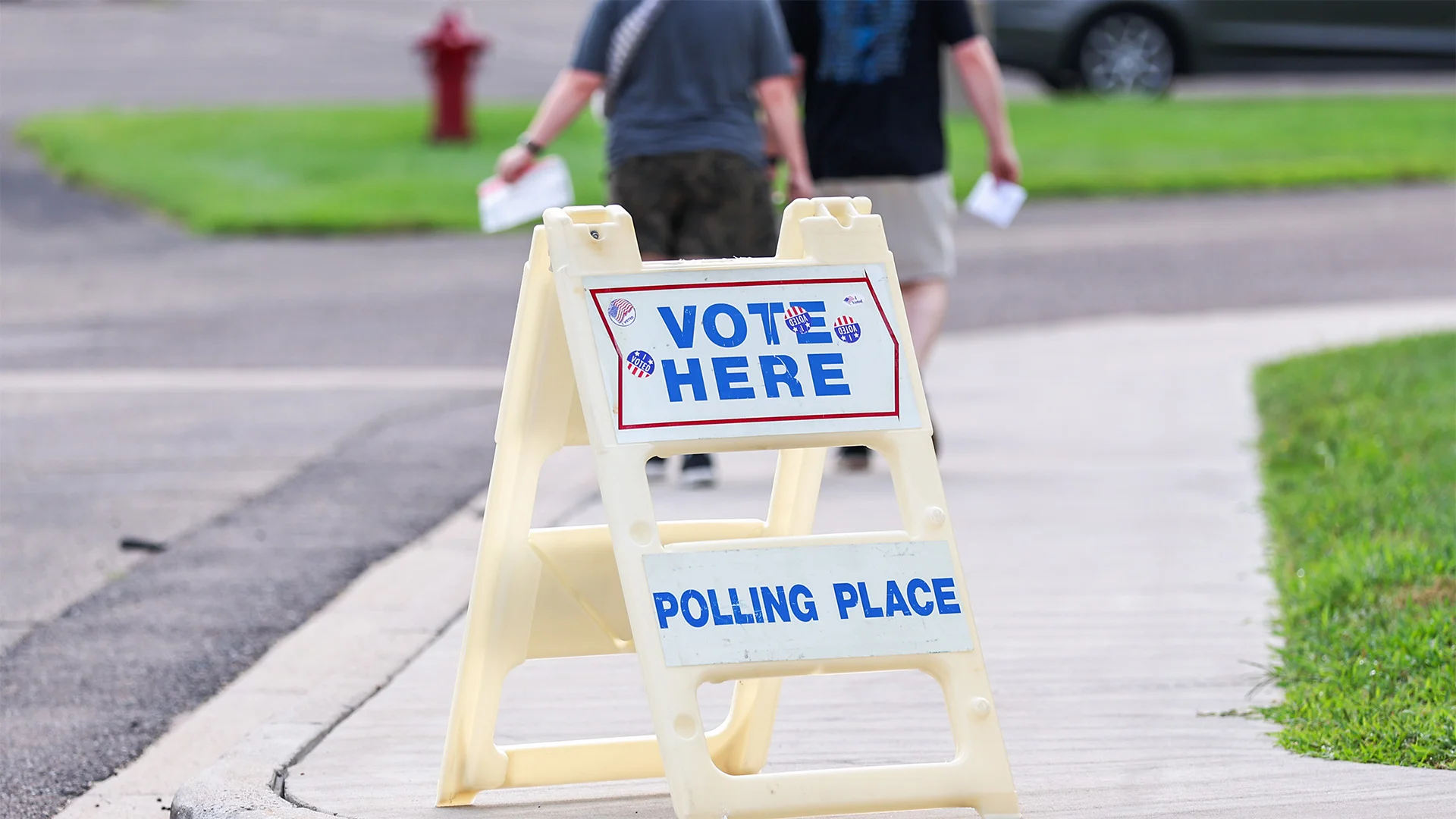
Source image: inc.com
inc.comThe Impending $12 Billion Media Deluge
As the political cycle reaches its peak intensity, industry analysts project that total advertising expenditures will eclipse the staggering milestone of $12 billion. This immense capital influx will flood broadcast networks, cable channels, and digital feeds, creating an unprecedented sensory overload for American consumers. For corporate executives, Chief Marketing Officers, and business leaders, this environment represents a profound operational challenge. The core demographic most sought after by political campaigns—high-income, highly engaged adults—overlaps heavily with the prime targets of premium consumer brands and B2B enterprises alike.
While business leaders cannot alter the macroeconomic and political reality of the media landscape, they possess absolute control over their brand's strategic response. Failing to adapt to this toxic environment risks seeing corporate messaging drowned out or, worse, associated with the prevailing friction and negativity of election discourse. Maintaining relevance requires a sophisticated pivot toward 'branding to the moment,' ensuring that corporate campaigns act as an antidote to consumer exhaustion rather than a contributor to it.
Framework One: Constructing Emotional Sanctuaries
Political advertising thrives on high message density, conflict, and existential urgency, packing multiple attack lines and poll-tested anxieties into compressed commercial windows. In stark contrast, winning brands during high-stress election cycles must move toward breathability and emotional safety. Consumers experiencing political fatigue actively seek out psychological safe spaces where they can temporarily escape the chaos.
Marketing leaders should evaluate how their creative assets make audiences feel. By positioning products and corporate messaging as oases of calm, brands foster deep trust and loyalty. This does not mean abandoning commercial intent; rather, it involves wrapping value propositions in tones of reassurance, stability, and peace. When the external world feels turbulent, commercial serenity becomes an extraordinarily powerful differentiator.
Framework Two: Leveraging Disarming Humor
Tension is the primary currency of political messaging, leaving audiences mentally drained and hyper-defensive. Humor serves as a direct countermeasure to this defensive posture, instantly disarming skeptical consumers and lowering cognitive barriers. However, deploying humor in a polarized environment demands exceptional precision and emotional intelligence.
Corporate humor must remain inclusive, lighthearted, and entirely detached from partisan undertones. When executed correctly, a self-aware or witty campaign signals confidence and grace, inviting consumers to share a collective moment of relief. Laughter breaks the cycle of cynicism, creating a favorable neural association that elevates brand recall long after the impression is delivered.
Framework Three: Embracing Radical Simplicity
When the media ecosystem is cluttered with complex, high-stakes accusations and counter-arguments, complexity is the enemy of attention. Consumers subconsciously filter out dense information streams to protect their cognitive bandwidth. Brands must respond by stripping their messaging down to its absolute essentials.
Radical simplicity means distilling a product's core benefit into an unmissable, elegant proposition. Clean visual architecture, minimalist copywriting, and singular value focuses allow a brand to pierce through the noise instantly. In an environment defined by cognitive overload, clarity is a supreme luxury that commands consumer respect and immediate comprehension.
Framework Four: Injecting Refreshing Novelty
Familiar marketing tropes and predictable campaign structures easily blend into the background static of an election year. To capture wandering attention spans, brands must introduce elements of genuine surprise. Novelty disrupts autopilot consumption habits, jolting the audience out of their media fatigue.
Whether through unconventional media placements, unexpected artistic collaborations, or disruptive product positioning, novelty signals that a brand is dynamic and forward-thinking. Executives should audit their current creative pipelines to eliminate formulaic output, replacing it with bold concepts that defy category norms and challenge consumer expectations in a delightful manner.
Framework Five: Mastering Strategic Timing and Pacing
Media placement during a heavy political cycle is rarely just about buying impressions; it is about strategic avoidance and counter-programming. When political ad spots peak during major news broadcasts and high-stakes debate windows, ad-clutter reaches maximum density and consumer irritation spikes.
Smart media planners must analyze pacing to find quiet intervals or alternative channels where consumer receptivity is naturally higher. By bypassing oversaturated dayparts or utilizing micro-moments of calm, brands can maximize share of voice without inflating media budgets. Effective timing ensures that messages land when audiences are actually listening rather than actively tuning out.
Market Implications and What Investors Should Watch
The financial ramifications of a $12 billion political ad barrage extend far beyond media conglomerates and television networks. While traditional broadcasters and digital platforms reap short-term windfalls from political spending, underlying brand equity for consumer-facing companies can suffer if marketing strategies remain reactive and uninspired.
Investors evaluating corporate performance through this electoral cycle should monitor several key performance indicators:
- Marketing Efficiency Ratios (MER): Track whether companies are maintaining customer acquisition efficiency amidst inflated media pricing.
- Brand Sentiment and Net Promoter Scores (NPS): Measure consumer perception shifts to ensure marketing investments successfully insulate the brand from macro-level fatigue.
- Creative Differentiation: Assess management's agility in pivoting away from traditional ad clutter toward innovative, calming, or simplified campaign architectures.
- Channel Diversification: Look for disciplined allocation across alternative digital, experiential, and niche media channels that avoid heavy political contamination.
Ultimately, organizations that master these five behavioral frameworks will not only survive the impending political ad storm but will emerge with strengthened market share, enhanced customer loyalty, and superior enterprise valuation.
Continue reading
Related coverage in Business
nytimes.com
David Ellison Targets CNN Leadership Continuity in Paramount Merger Talks
David Ellison is currently negotiating to retain CNN CEO Mark Thompson without oversight from CBS editor in chief Bari Weiss as parent companies navigate merger plans.
2 min read
bbc.com
Decoding Nike’s Slump: How Strategic Missteps Cost the Sportswear Titan Its Edge
Explore the factors behind Nike's dramatic market decline. Industry analysts dissect the self-inflicted strategic errors that shook the sportswear giant.
3 min read
bbc.com
Treasury Committee Directs HMRC to Investigate Tax Implications of Manchester City Case
The UK Treasury Committee has called on HMRC to closely examine potential tax ramifications arising from the high-profile Manchester City legal verdict.
3 min read
nytimes.com
US Imposes Sanctions on Russian Firm A7 Over Global Shell Company Evasion Schemes
The United States targets Russian financial firm A7 with new sanctions following reports of utilizing global shell companies to bypass existing economic restrictions.
3 min read