Navigating Tariff Whiplash: What Advisors and Investors Need to Know
Regardless of political shifts or future administrations, investors and wealth managers must prepare portfolios to inherit a permanent tariff overlay.
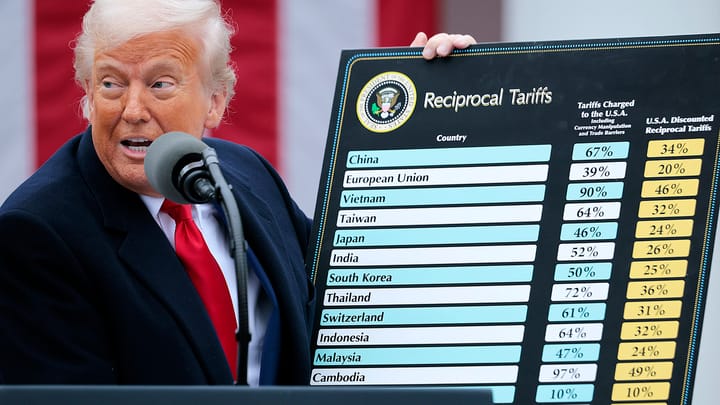
Source image: wealthmanagement.com
wealthmanagement.comUnderstanding Tariff Whiplash and Its Economic Roots
In the contemporary global economy, trade policies have evolved from long-term diplomatic agreements into fluid, reactive tools. Importers, exporters, and multinational corporations are frequently subjected to abrupt shifts in customs duties, exemptions, and retaliatory measures. This phenomenon, commonly referred to as tariff whiplash, creates an unpredictable operating environment where supply chain costs can spike overnight.
Regardless of political administrations or future elections, the structural reliance on tariffs as a mechanism for economic leverage is here to stay. Businesses can no longer treat trade policy as a background variable; it must be integrated directly into corporate forecasting, cash flow modeling, and portfolio construction.
Why Tariff Volatility Matters for Executives and Investors
For entrepreneurs, executives, and wealth advisors, the core challenge of tariff whiplash lies in margin compression and pricing power uncertainty. When trade restrictions fluctuate rapidly, companies struggle to plan inventory levels or set stable pricing structures. Recent industry insights highlight that a significant percentage of enterprises are forced to pass increased costs onto consumers through higher prices, directly fueling domestic inflation.
- Margin Pressure: Unanticipated duties squeeze operating margins for companies heavily reliant on cross-border supply chains.
- Consumer Impact: Passing costs down the line risks softening demand in price-sensitive sectors.
- Strategic Blind Spots: Traditional historical models often fail to capture the speed of modern trade policy alterations.
Market Implications and Portfolio Strategy
Financial markets have repeatedly demonstrated sensitivity to trade headlines, experiencing sudden drawdowns followed by sharp recoveries as policies are paused, modified, or challenged. For investors, reacting impulsively to every trade announcement risks locking in losses and violating core long-term investment principles.
Wealth managers suggest adopting robust defensive measures rather than abandoning equity exposure entirely. Key strategies to mitigate portfolio shock include auditing sector concentrations for supply chain vulnerabilities, incorporating tax-aware direct indexing, and utilizing defined-outcome structures or liquid alternatives to smooth out market turbulence.
What Readers Should Watch Going Forward
To stay ahead of tariff-driven market shifts, executives and investors should closely monitor several critical indicators:
- Policy Implementation Timelines: Pay attention to the speed at which proposed duties take effect or receive temporary exemptions.
- Corporate Earnings Transcripts: Track how management teams are adjusting their pricing models and diversifying their supplier bases across multiple jurisdictions.
- Inflation and Consumer Spending Metrics: Evaluate how input cost pressures translate into broader economic data and central bank policy decisions.
For ongoing updates and deeper insights into managing complex market risks, read the original report on WealthManagement.com.
Continue reading
Related coverage in Wealth Management
wealthmanagement.com
Orion Ascent 2027 Unveils AI-Driven Wealthtech Roadmap to Scale Advisor Growth
Discover how Orion Ascent 2027 is shaping the future of wealth management with a focus on practical AI tools, household-level personalization, and expanded operational capacity.
3 min read
wealthmanagement.com
Wealth Management CIOs Pivot to Short-Duration Bonds Amid Market Shudders
Rising yields in the bond market are prompting wealth management CIOs to seize new income opportunities at shorter durations without excessive risk.
2 min read
wealthmanagement.com
Compliance Experts Urge RIAs to Reevaluate Section 351 ETF Conversions After New IRS Guidance
Following recent IRS guidance targeting tax avoidance, compliance experts warn registered investment advisors to reconsider recommending Section 351 ETF conversions.
2 min read
wealthmanagement.com
Fidelity Elevates RIA Custody Asset Minimum to $100M: Strategic Shift Impacts Smaller Advisors
Fidelity announces a new $100 million client asset minimum for RIA custody services, requiring smaller advisors to transition off the platform by mid-2027.
3 min read