Navigating Tariff Whiplash: Investment Strategies for Executive Portfolios
Tariff overlays remain a permanent fixtures for future administrations, creating persistent volatility for wealth managers, investors, and corporate executives worldwide.
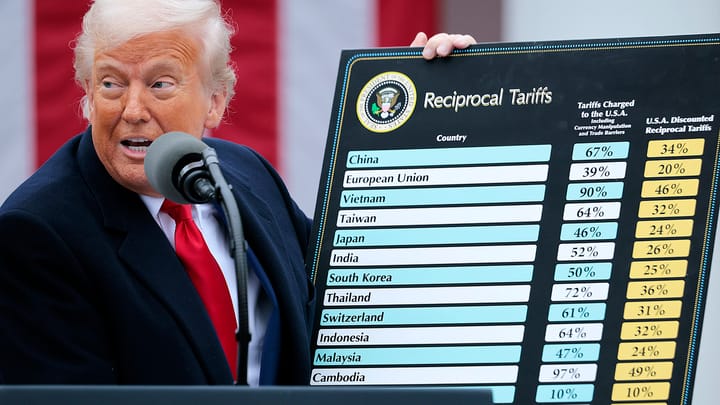
Source image: wealthmanagement.com
wealthmanagement.comIntroduction to Trade Friction
The global macroeconomic landscape is increasingly defined by persistent trade volatility, commonly referred to as tariff whiplash. For executives, investors, and entrepreneurs, navigating this complex environment requires moving past short-term political cycles to address structural shifts in international commerce. Regardless of who occupies the White House in future terms, incoming administrations will inherit an established framework of tariff overlays and protective trade measures.
The Enduring Reality of Tariff Overlays
Tariffs have transitioned from temporary political maneuvers to permanent structural components of global economic policy. This shift impacts cross-border operations, manufacturing costs, and corporate margins. Wealth managers and financial advisors are now tasked with helping clients build resilience against sudden policy reversals and escalating trade disputes.
- Structural permanence: Tariffs are embedded in modern fiscal and industrial strategies.
- Administrative continuity: Future leaders inherit existing trade barriers, ensuring long-term enforcement.
- Operational pressure: Supply chains face continuous cost adjustments and regulatory scrutiny.
Market Implications and Portfolio Strategies
For investors and entrepreneurs, the ongoing tariff environment necessitates a disciplined approach to asset allocation. Sectors heavily reliant on global supply chains experience heightened margin compression, while domestic-focused enterprises may find unique competitive advantages. Portfolio diversification must account for sudden regulatory shifts that can instantly alter sector valuations.
Key market implications include:
- Increased volatility across import-heavy industries.
- Strategic reshoring and nearshoring of vital supply chains.
- Rotational capital flows into defensive and domestic-oriented equities.
What Executives and Investors Should Watch
To stay ahead of tariff-driven market disruptions, stakeholders must closely monitor legislative updates, trade negotiations, and corporate earnings reports for signs of margin stress. Recognizing how firms adapt their pricing power and operational footprints will separate successful enterprises from vulnerable competitors.
For further details and ongoing industry analysis, readers can review the original report on WealthManagement.com.
Continue reading
Related coverage in Banking
wealthmanagement.com
Orion Ascent 2027 Conference Announced: Focusing on AI and Household-Level Wealth Personalization
Orion has opened registration for Ascent 2027 in Orlando, focusing on practical AI workflows, household-level personalization, and scaling advisory capacity.
3 min read
wealthmanagement.com
Wealth Management CIOs Pivot to Short-Duration Bonds Amid Market Shudders
Rising bond yields are transforming fixed-income strategies, allowing wealth management chief investment officers to capture attractive yields at shorter durations with lower risk.
2 min read
wealthmanagement.com
IRS Guidance Prompts Compliance Experts to Warn RIAs Over Section 351 ETF Conversions
Compliance experts warn registered investment advisors to reconsider Section 351 ETF conversions for tax purposes following recent IRS guidance targeting tax avoidance.
3 min read
wealthmanagement.com
Fidelity Raises RIA Custody Minimum to $100M, Pressuring Smaller Advisory Firms
Fidelity Investments is raising its RIA custody asset minimum to $100 million, requiring existing advisors below the threshold to exit or transition off the platform by June 30, 2027.
3 min read