Navigating Geopolitical Cartography: How Apple and Google Handle Controversial Mandates
Tech giants Apple and Google face distinct localization challenges following a U.S. executive order renaming Lake Ontario to Lake America.
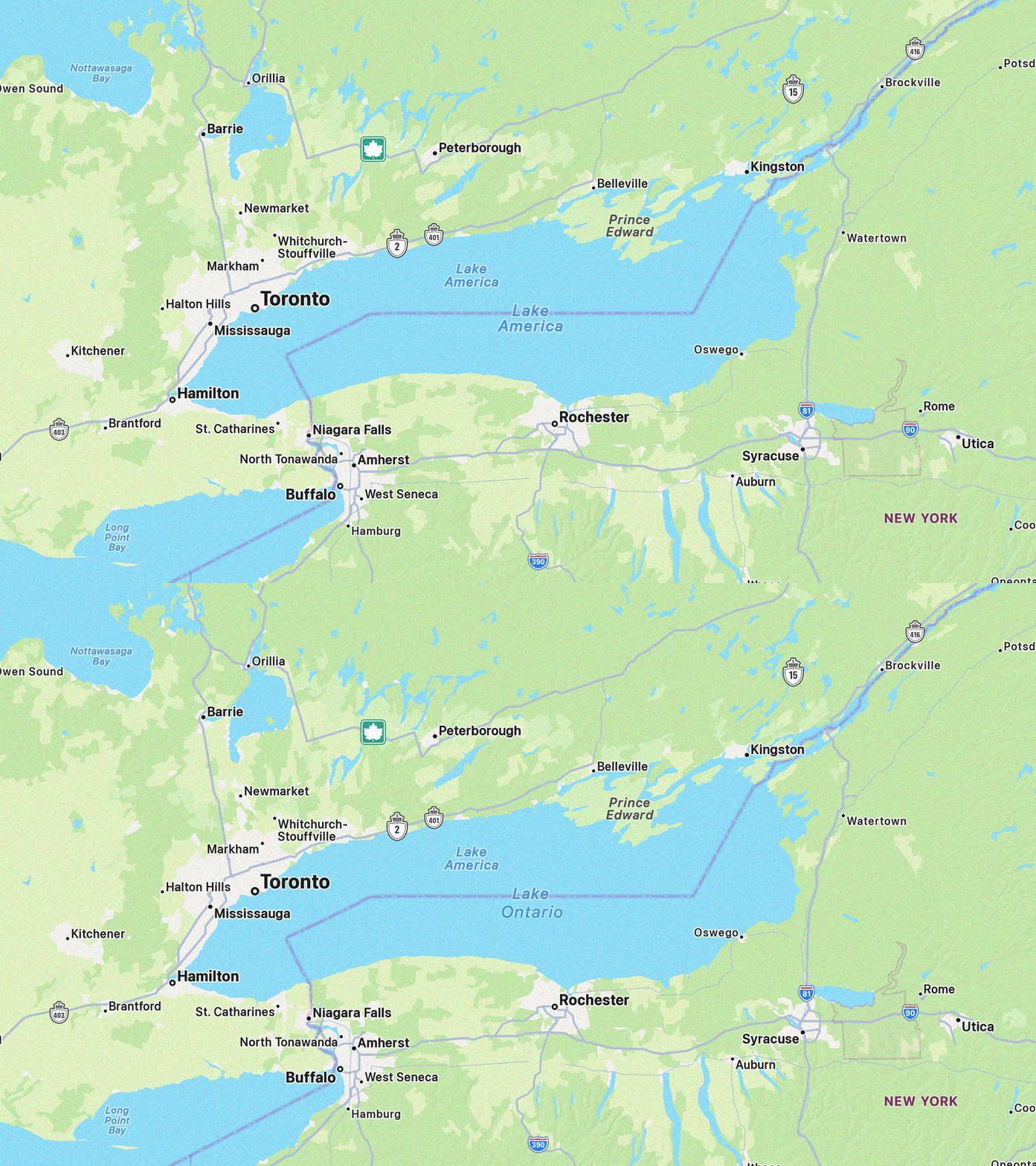
Source image: inc.com
inc.comThe Geopolitical Dilemma of Digital Cartography
In an era where technology platforms serve as the primary lens through which billions of people view the world, corporate mapping tools have inadvertently become battlegrounds for geopolitical disputes. A recent executive order mandating an official name change for Lake Ontario to Lake America within United States federal registries sent ripples through international relations, immediately triggering cross-border friction and widespread media commentary. For multinational technology conglomerates like Apple and Google, such government decrees present an immediate operational challenge: how to comply with local regulatory bodies without alienating an international user base.
Google's Rapid Compliance and Immediate Backlash
Google was quick to align its widely used mapping platform with the updated U.S. federal database. By strictly adhering to its long-standing policy of reflecting official government source changes—in this case, the U.S. Geographic Names Information System (GNIS)—Google updated its interface to display 'Lake America' for users within the United States. While this approach technically fulfills a literal interpretation of compliance with domestic mandates, it carried swift repercussions. The change immediately sparked a torrent of negative reviews and public criticism online, particularly from Canadian users and international observers who view the unilateral renaming as an overreach, demonstrating the reputational risks of rigid policy execution.
Apple’s Calculated, Nuanced Strategy
In contrast, Apple approached the sensitive cartographic update with a more measured, diplomatic cadence. By taking additional time to deploy its platform adjustments, Cupertino demonstrated a keen awareness of brand perception and regional sensitivities. Rather than rushing out a blunt, uniform update, Apple’s strategy underscores a sophisticated understanding of international stakeholder management. For global enterprises operating across diverse legal and cultural landscapes, the handling of politically charged geographical markers serves as a critical case study in risk mitigation and localized communication.
- Regulatory Compliance vs. Brand Equity: Tech firms must weigh the necessity of obeying local state guidelines against the potential fallout of international alienation.
- Regional Customization: Implementing localized views can prevent widespread consumer backlash in affected foreign markets.
- The Cost of Speed: Rapid, uncalculated rollouts can invite immediate digital protests and damage long-term brand sentiment.
Market Implications and Investor Outlook
For investors, executives, and market strategists, these contrasting responses emphasize the growing intersection between corporate governance and geopolitical awareness. As governments increasingly utilize administrative instruments that touch upon digital infrastructure, tech platforms find themselves under intense scrutiny. Companies that master the art of nuanced localization will likely insulate themselves better from sudden regulatory shocks and consumer boycotts, protecting their global valuations.
What Investors Should Watch
As digital cartography continues to evolve under the weight of geopolitical pressures, stakeholders should monitor several key indicators:
- Future updates to corporate compliance frameworks regarding contested borders and landmarks.
- Consumer sentiment shifts and app store review trends following major geopolitical platform adjustments.
- Potential regulatory friction or retaliatory measures from foreign governments facing unilateral naming changes on global apps.
Continue reading
Related coverage in Business
nytimes.com
David Ellison Targets CNN Leadership Continuity in Paramount Merger Talks
David Ellison is currently negotiating to retain CNN CEO Mark Thompson without oversight from CBS editor in chief Bari Weiss as parent companies navigate merger plans.
2 min read
bbc.com
Decoding Nike’s Slump: How Strategic Missteps Cost the Sportswear Titan Its Edge
Explore the factors behind Nike's dramatic market decline. Industry analysts dissect the self-inflicted strategic errors that shook the sportswear giant.
3 min read
bbc.com
Treasury Committee Directs HMRC to Investigate Tax Implications of Manchester City Case
The UK Treasury Committee has called on HMRC to closely examine potential tax ramifications arising from the high-profile Manchester City legal verdict.
3 min read
nytimes.com
US Imposes Sanctions on Russian Firm A7 Over Global Shell Company Evasion Schemes
The United States targets Russian financial firm A7 with new sanctions following reports of utilizing global shell companies to bypass existing economic restrictions.
3 min read