Navigating Air Travel Chaos: A Comprehensive Guide to UK261 Passenger Rights and Airline Obligations
Discover your legal rights and compensation entitlements under UK261 regulations when facing major flight disruptions, delays, or cancellations.
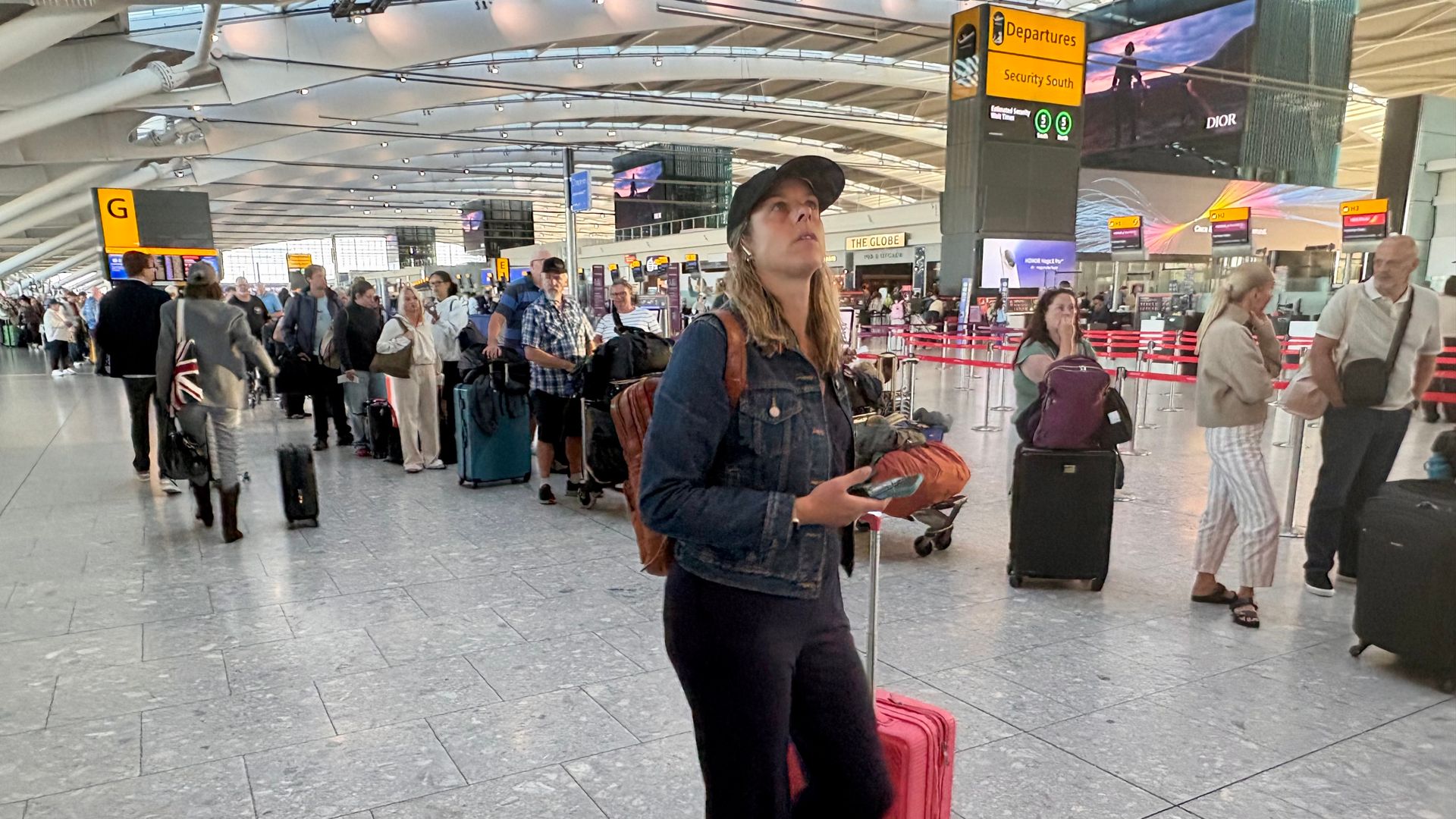
Source image: skynews.com
skynews.comUnderstanding Air Passenger Rights Amid Widespread Airport Disruption
Recent operational bottlenecks across major transportation hubs have once again thrust air passenger rights into the global spotlight. When thousands of travellers face sudden cancellations, missed connections, and hours of tarmac delays, understanding the legal recourse available is paramount. For business executives, corporate travel managers, and frequent flyers, navigating the intricacies of air passenger regulations can significantly mitigate financial and operational losses.
At the core of passenger protection in the United Kingdom is UK261, the regulatory framework maintained post-Brexit that mirrors the European Union's robust EC 261/2004 standards. These regulations establish strict legal parameters that airlines must follow when their schedules falter, placing the burden of care and financial accountability squarely on the carriers.
Core Entitlements Under UK261 Regulations
When a flight is significantly disrupted, the law mandates specific tiers of assistance depending on the duration of the wait and the distance of the journey. Airlines cannot simply leave passengers stranded without support; they must actively manage the welfare of affected travellers.
- Right to Care and Assistance: For delays exceeding specific thresholds—typically two hours or more depending on flight length—airlines are legally required to provide vouchers for meals and refreshments, access to digital communication channels, and complimentary hotel accommodations including transit transport if an overnight stay becomes necessary.
- The Five-Hour Rule and Refunds: If a flight is delayed by five hours or more, passengers possess the statutory right to abandon their journey entirely and claim a full refund for the unused portions of their ticket.
- Alternative Rerouting: In the event of a cancellation, carriers must offer a choice between an immediate ticket refund or a replacement flight to the final destination at the earliest available opportunity.
Financial Compensation Thresholds for Delays and Cancellations
Beyond immediate care at the airport, travellers may be eligible for substantial financial compensation if they arrive at their ultimate destination three or more hours late, provided the disruption was within the airline's control. Compensation scales are fixed based on distance metrics:
- Short-haul routes under 1,500km.
- Medium-haul routes between 1,500km and 3,500km.
- Long-haul international routes exceeding 3,500km, which frequently command the highest statutory payouts.
However, executives must note the legal caveat of 'extraordinary circumstances'. Airlines are exempt from paying cash compensation if the disruption stems from severe weather events, political instability, security threats, or third-party air traffic control strikes. Nevertheless, the obligation to provide basic care and refreshments remains absolute, regardless of the root cause.
Market Implications and Corporate Risk Management
For corporate entities and investors holding stakes in the aviation sector, widespread disruptions carry profound financial and reputational implications. Regulatory penalties, mandatory care outlays, and compensation payouts directly squeeze carrier operating margins during peak travel windows. Furthermore, recurring infrastructural failures damage customer trust, prompting enterprise clients to diversify their airline portfolios and demand more resilient service-level agreements.
Strategic Recommendations for Investors and Travellers
To safeguard against the financial volatility of modern air travel, stakeholders should adopt a proactive stance. Travellers must meticulously document all interactions, retain physical or digital itemized receipts for incidental expenses, and formally request written confirmation of cancellation causes from carrier desks. Meanwhile, investors should monitor airline operational efficiency and contingency spending as key performance metrics when evaluating sector health.
Continue reading
Related coverage in Business
nytimes.com
David Ellison Targets CNN Leadership Continuity in Paramount Merger Talks
David Ellison is currently negotiating to retain CNN CEO Mark Thompson without oversight from CBS editor in chief Bari Weiss as parent companies navigate merger plans.
2 min read
bbc.com
Decoding Nike’s Slump: How Strategic Missteps Cost the Sportswear Titan Its Edge
Explore the factors behind Nike's dramatic market decline. Industry analysts dissect the self-inflicted strategic errors that shook the sportswear giant.
3 min read
bbc.com
Treasury Committee Directs HMRC to Investigate Tax Implications of Manchester City Case
The UK Treasury Committee has called on HMRC to closely examine potential tax ramifications arising from the high-profile Manchester City legal verdict.
3 min read
nytimes.com
US Imposes Sanctions on Russian Firm A7 Over Global Shell Company Evasion Schemes
The United States targets Russian financial firm A7 with new sanctions following reports of utilizing global shell companies to bypass existing economic restrictions.
3 min read