Middle East Crypto Volumes Surge Past $350 Billion as Geopolitical Tensions Redefine Capital Flows
A groundbreaking report reveals that annual crypto transaction volumes in the Middle East have tripled to $350 billion amid ongoing regional conflicts and currency depreciation.
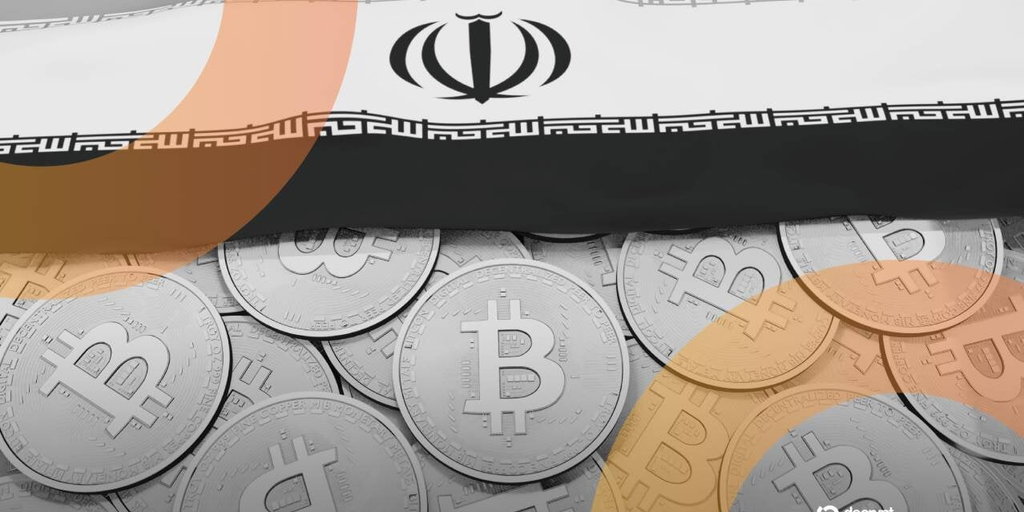
Source image: decrypt.co
decrypt.coGeopolitical Turmoil Accelerates Digital Asset Adoption
The Middle East and North Africa (MENA) region has rapidly transformed into one of the most dynamic and fast-moving digital asset markets in the global financial ecosystem. According to a landmark market analysis published by the Bitcoin Policy Institute, the region's annual on-chain transaction volume has surged past the $350 billion threshold, marking a more than threefold increase from approximately $100 billion recorded in 2022. This exponential expansion highlights how decentralized networks and digital currencies are increasingly serving as vital financial lifelines and strategic reserves amidst persistent geopolitical friction.
Market analysts note that this unprecedented growth is driven by two distinct yet concurrent economic narratives. In countries facing severe currency depreciation, soaring inflation, and ongoing geopolitical strife—such as Turkey, Iran, and Lebanon—citizens and local enterprises are turning aggressively toward Bitcoin and U.S. dollar-backed stablecoins like USDT and USDC. These assets provide an essential shield against local fiat devaluation and capital controls, functioning as decentralized safe havens when traditional banking channels experience severe disruptions.
Institutional Maturity and Gulf State Dominance
Concurrently, the economic powerhouse economies of the Gulf Cooperation Council (GCC) are pursuing a calculated, institutional integration of blockchain technology. The United Arab Emirates continues to lead as a premier regional hub, processing monumental volumes backed by progressive regulatory frameworks established by bodies such as Dubai's Virtual Assets Regulatory Authority (VARA) and the Abu Dhabi Global Market (ADGM). Major global institutions and broker-dealers are rapidly expanding their footprint in the Emirates to capture burgeoning institutional liquidity.
Meanwhile, Saudi Arabia has emerged as the fastest-growing digital asset market in the entire region, posting a staggering 154% year-over-year growth rate. This surge has materialized despite official regulatory cautions regarding retail trading, largely propelled by heavy state-backed investments in fintech infrastructure, high smartphone penetration, and participation in cross-border Central Bank Digital Currency (CBDC) initiatives like the mBridge project. Qatar has similarly accelerated its trajectory, registering a 120% growth rate following the introduction of formal digital asset frameworks.
Market Implications for Global Investors
The dramatic escalation of capital into MENA's crypto markets carries profound implications for global asset managers, institutional investors, and fintech innovators:
- Capital Flight vs. Strategic Hedging: On-chain data demonstrates that digital assets are no longer speculative retail novelties in the Middle East; they are fundamental instruments for macroeconomic survival and institutional portfolio diversification.Stablecoin Dominance: Dollar-pegged stablecoins command a significant share of transaction volume, underscoring an insatiable regional demand for synthetic dollar exposure in volatile corridors.Regulatory Divergence: Investors must navigate a fragmented landscape where flexible hubs like the UAE compete with restrictive yet technologically ambitious jurisdictions like Saudi Arabia.
What Investors Should Watch
As the regional landscape continues to evolve under the weight of ongoing geopolitical developments, market participants should closely monitor several critical indicators:
- Regulatory Evolution in the GCC: Watch for potential updates to Saudi Arabia's official stance on digital assets as the kingdom expands its institutional blockchain infrastructure.Stablecoin Regulation and Liquidity: Track regulatory developments concerning fiat-backed stablecoins within the UAE and Qatar, which dictate how institutional capital enters and exits the region.Cross-Border Settlement Pilots: Monitor the expansion of multi-CBDC platforms and their potential to bypass traditional correspondent banking networks for international trade.
Ultimately, the tripling of MENA's crypto activity signals a permanent structural shift in how capital flows across the Middle East. For global executives and forward-thinking investors, understanding these regional dynamics is paramount to navigating the next phase of digital asset adoption.
Continue reading
Related coverage in Crypto
cointelegraph.com
Trump Schedules Third Memecoin Holder Dinner Amid Growing Corruption Scrutiny
President Trump is set to host his third exclusive memecoin dinner for top token holders at his Washington, DC golf club, drawing renewed ethical and market scrutiny.
3 min read
cointelegraph.com
50,000 Europeans Petition EU to Relax MiCA Stablecoin Reward Restrictions
A new 50,000-letter campaign is urging Brussels to ease stablecoin rewards restrictions during the MiCA review, aligning with broader central bank pushes.
2 min read
cryptonews.com
Dogecoin Eyes $1 Milestone as DogeOS Testnet Launch Sparks Utility Speculation
Dogecoin trades at $0.09447 as the DogeOS testnet goes live. Traders eye the $0.098 resistance and psychological $0.10 mark amid fresh utility potential.
2 min read
decrypt.co
Bitcoin Enters 'Uptober' Amid Fed Rate Hike Pressures and 5.3% Treasury Yields
Bitcoin enters its historically strongest month following a record September, yet rising Federal Reserve rate hike fears and 5.3% Treasury yields present major hurdles.
2 min read