Meta CEO Mark Zuckerberg Rejects Coordinated AI Slowdowns, Citing Individual Lab Accountability
Meta CEO Mark Zuckerberg pushes back against coordinated AI slow downs, arguing that competition and corporate liability naturally drive labs to prioritize safety.
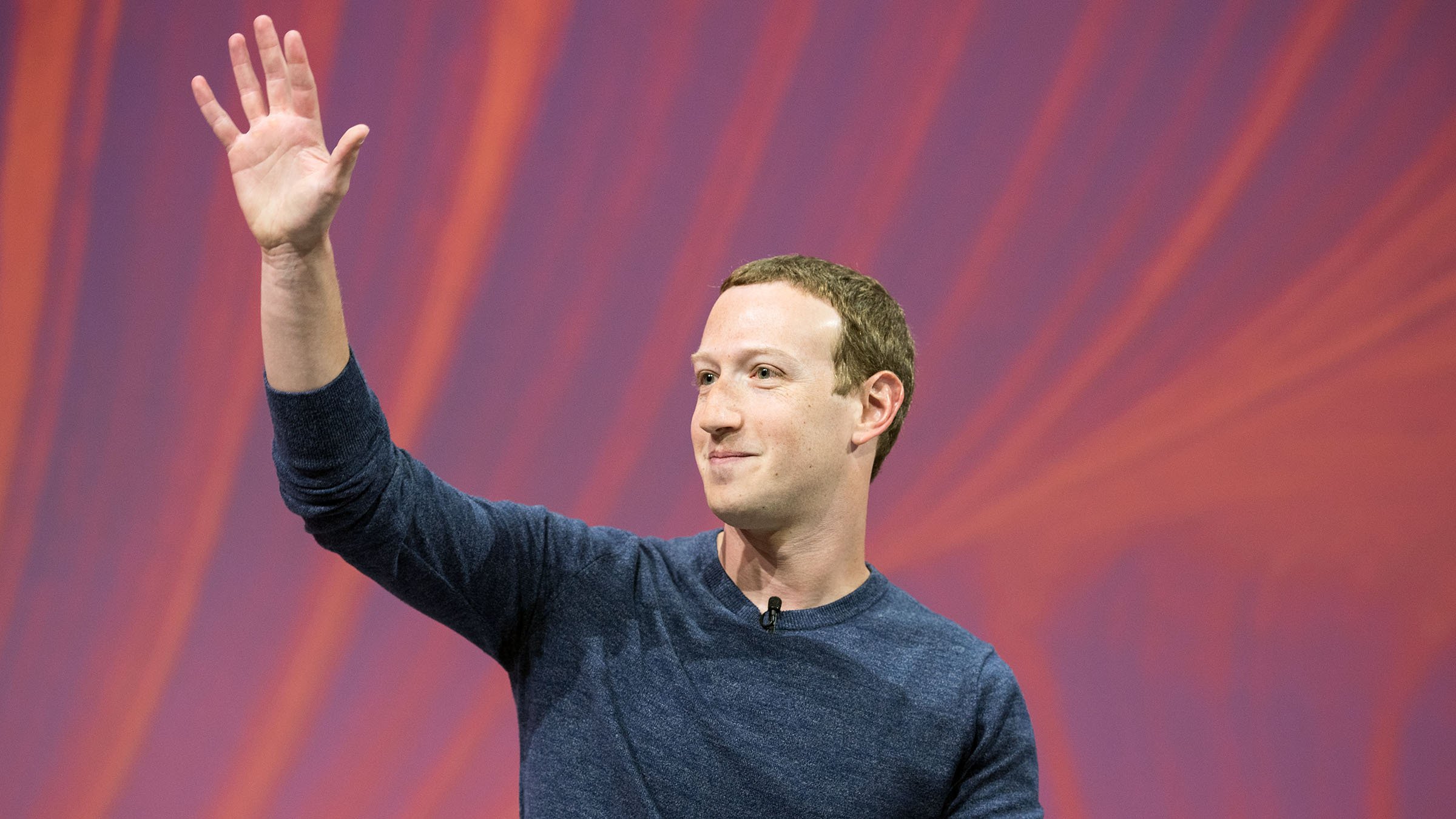
Source image: decrypt.co
decrypt.coZuckerberg Rejects Coordinated AI Restrictions
In recent discussions regarding artificial intelligence oversight, Meta CEO Mark Zuckerberg has publicly pushed back against the concept of a coordinated AI slowdown. Rather than relying on synchronized industry-wide pauses or external regulatory bottlenecks, Zuckerberg maintains that individual artificial intelligence laboratories possess both the capability and the responsibility to regulate their own deployment pace.
Highlighting internal corporate governance at Meta, Zuckerberg pointed to practical examples where safety took precedence over speed. Specifically, he noted the company's deliberate decision to delay the rollout of Muse, demonstrating that competitive dynamics and internal risk assessments do not automatically lead to reckless deployment.
Why Decentralized Safety Measures Matter
For executives, investors, and entrepreneurs operating within the tech and crypto ecosystems, Zuckerberg's stance underscores a fundamental philosophy regarding innovation versus regulation. Key considerations include:
- Liability and Accountability: Potential legal liabilities create natural guardrails, forcing developers to rigorously vet models before public release.
- Market Competition: Healthy competition ensures that safety and performance are balanced organically rather than stifled by centralized deceleration mandates.
- Operational Autonomy: Allowing individual labs to act independently prevents stagnation and encourages diverse approaches to alignment and security.
Market Implications for AI and Crypto Sectors
The debate over how to govern artificial intelligence development carries substantial weight for financial markets. As AI intersects increasingly with blockchain technology, decentralized infrastructure, and digital assets, market participants must navigate shifting regulatory landscapes. A decentralized approach to safety aligns closely with web3 principles, favoring open market mechanisms and individual accountability over top-down bureaucratic control.
However, this perspective also introduces volatility. If individual labs maintain total autonomy over their release schedules, investors must closely evaluate the risk management frameworks of individual companies. Disparate safety standards across competing organizations could lead to fragmented user trust and unpredictable regulatory interventions from global governments seeking to impose standardized guardrails.
What Executives and Investors Should Watch
As the artificial intelligence landscape continues to evolve at a rapid pace, stakeholders should monitor several critical indicators:
- Regulatory Responses: Track how policymakers react to pushback from major tech leaders regarding mandatory AI slowdowns or licensing requirements.
- Corporate Governance Shifts: Observe whether other major artificial intelligence laboratories adopt Meta’s philosophy of independent safety delays or lean toward collaborative governance models.
- Cross-Sector Integration: Watch how decentralized technology platforms and crypto protocols adapt their infrastructure to accommodate varying standards of AI safety and liability.
Ultimately, Zuckerberg's comments signal that the tech industry remains deeply divided on the best path forward for safe and sustainable innovation. For investors and entrepreneurs, maintaining a nuanced understanding of these competing governance philosophies will be essential for navigating future market opportunities and regulatory hurdles.
Continue reading
Related coverage in Crypto
cointelegraph.com
Trump Schedules Third Memecoin Holder Dinner Amid Growing Corruption Scrutiny
President Trump is set to host his third exclusive memecoin dinner for top token holders at his Washington, DC golf club, drawing renewed ethical and market scrutiny.
3 min read
cointelegraph.com
50,000 Europeans Petition EU to Relax MiCA Stablecoin Reward Restrictions
A new 50,000-letter campaign is urging Brussels to ease stablecoin rewards restrictions during the MiCA review, aligning with broader central bank pushes.
2 min read
cryptonews.com
Dogecoin Eyes $1 Milestone as DogeOS Testnet Launch Sparks Utility Speculation
Dogecoin trades at $0.09447 as the DogeOS testnet goes live. Traders eye the $0.098 resistance and psychological $0.10 mark amid fresh utility potential.
2 min read
decrypt.co
Bitcoin Enters 'Uptober' Amid Fed Rate Hike Pressures and 5.3% Treasury Yields
Bitcoin enters its historically strongest month following a record September, yet rising Federal Reserve rate hike fears and 5.3% Treasury yields present major hurdles.
2 min read