Mastering the Transition: Inside Tim Cook's Brilliant Cameo at Apple's New Era Keynote
Former Apple CEO Tim Cook made a strategic, fleeting appearance at the latest iPhone event, setting a textbook standard for corporate leadership handoffs.
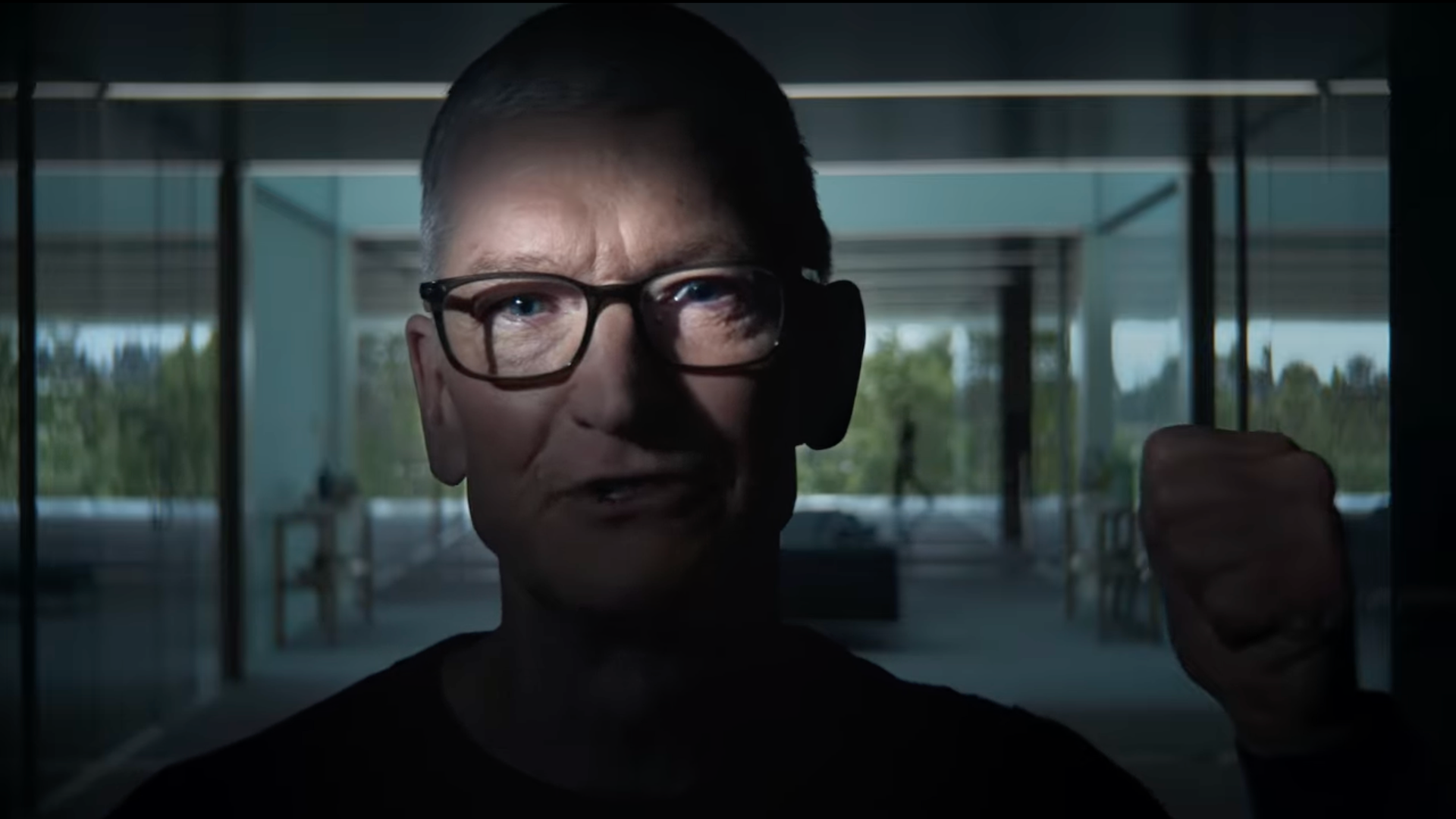
Source image: inc.com
inc.comThe Anatomy of a Seamless Corporate Hand-Off
In the high-stakes theater of Silicon Valley executive transitions, few moments match the precision of Apple Inc.'s recent product showcase. Following his departure from the chief executive role after an extraordinary fifteen-year tenure that redefined global technology and market capitalization, Tim Cook made a carefully calculated return to the stage—or rather, the screen. Rather than commanding the spotlight or indulging in a lengthy retrospective, Cook’s appearance was brief, self-aware, and masterfully executed.
For investors and market observers watching closely, this brief cameo was much more than sentimental fan service. It was a calculated exercise in corporate stagecraft designed to soothe institutional anxieties, validate the new leadership hierarchy, and immediately pivot consumer and investor attention toward the future.
Why Executive Stagecraft Matters to Wall Street
When a legendary executive who steered a company through a historic multi-thousand percent rally steps down, the immediate aftermath is fraught with market volatility and psychological uncertainty for shareholders. Apple’s leadership recognized this friction point and addressed it with characteristic psychological acuity.
- Mitigating Transition Risk: By appearing briefly at the start of the keynote, Cook offered continuity without lingering, signaling to institutional investors that the old guard fully endorses the new regime.
- Protecting Brand Momentum: Apple avoided an awkward vacuum by directly acknowledging the leadership shift on its biggest marketing day of the year.
- Empowering the Successor: A swift transition keeps the focus squarely on new hardware innovations, such as the heavily anticipated foldable iPhone Duo, rather than getting bogged down in nostalgia.
Market Implications and the Post-Cook Era
Apple’s valuation has long been tied not just to its product pipeline, but to its operational predictability and peerless brand loyalty. Major market shifts often happen when iconic founders or long-standing CEOs depart. Companies like Microsoft and Disney have historically experienced turbulence during similar handovers if the previous chief executive cast too long a shadow.
By treating his departure and subsequent brief cameo with understated elegance, Cook helped neutralize this risk. Wall Street thrives on certainty, and Apple's meticulously stage-managed transition demonstrates that corporate maturity can prevent the typical succession jitters that plague high-growth technology titans.
What Investors and Executives Should Watch Next
As Apple maneuvers through a pivotal hardware cycle—introducing radical form factors like the foldable iPhone Duo to stimulate high-end upgrade cycles—stakeholders should monitor several key performance indicators:
- Execution on New Form Factors: Watch how smoothly the market adopts premium-priced foldable devices and whether margins remain resilient.
- Leadership Continuity: Assess whether the operational playbook established under Cook remains intact under the new executive team.
- Investor Sentiment: Monitor institutional holding patterns to see if major funds maintain confidence following the foundational shift at the top.
Ultimately, Tim Cook's final act as a central figure in Apple's keynote presentations proved that how a leader leaves is just as important as how they lead. For corporate strategists and investors alike, Apple’s latest presentation serves as a gold standard for managing change at the highest levels of global enterprise.
Continue reading
Related coverage in Business
nytimes.com
David Ellison Targets CNN Leadership Continuity in Paramount Merger Talks
David Ellison is currently negotiating to retain CNN CEO Mark Thompson without oversight from CBS editor in chief Bari Weiss as parent companies navigate merger plans.
2 min read
bbc.com
Decoding Nike’s Slump: How Strategic Missteps Cost the Sportswear Titan Its Edge
Explore the factors behind Nike's dramatic market decline. Industry analysts dissect the self-inflicted strategic errors that shook the sportswear giant.
3 min read
bbc.com
Treasury Committee Directs HMRC to Investigate Tax Implications of Manchester City Case
The UK Treasury Committee has called on HMRC to closely examine potential tax ramifications arising from the high-profile Manchester City legal verdict.
3 min read
nytimes.com
US Imposes Sanctions on Russian Firm A7 Over Global Shell Company Evasion Schemes
The United States targets Russian financial firm A7 with new sanctions following reports of utilizing global shell companies to bypass existing economic restrictions.
3 min read