Mastering the EV Transition: Why Range Rover's Evolutionary Strategy Outclasses Radical Redesigns
As legacy automakers navigate electrification, Range Rover's decade-long commitment to preserving its iconic design language offers a masterclass in protecting brand equity.
Source image: inc.com
inc.comThe Strategic Dilemma of Luxury Electrification
For decades, legacy luxury automotive brands have built their market capitalization on a foundation of emotional resonance, heritage design, and visceral driving dynamics. When the global push toward zero-emission mobility forced these titans to pivot, executives encountered a profound strategic crossroads. Should an electric vehicle advertise its revolutionary powertrain through futuristic, disruptive styling, or should it maintain the timeless proportions that initially captured consumer loyalty?
Recent market events have thrown this debate into sharp relief. While radical departures from traditional design languages have triggered severe shareholder skepticism and public friction, conservative evolutionary approaches have reinforced consumer trust. The divergence in execution between heritage giants underscores a vital lesson for executives and investors alike: in the upper echelons of luxury goods, visual continuity is a core financial asset.
Engineering Heritage: The Range Rover Blueprint
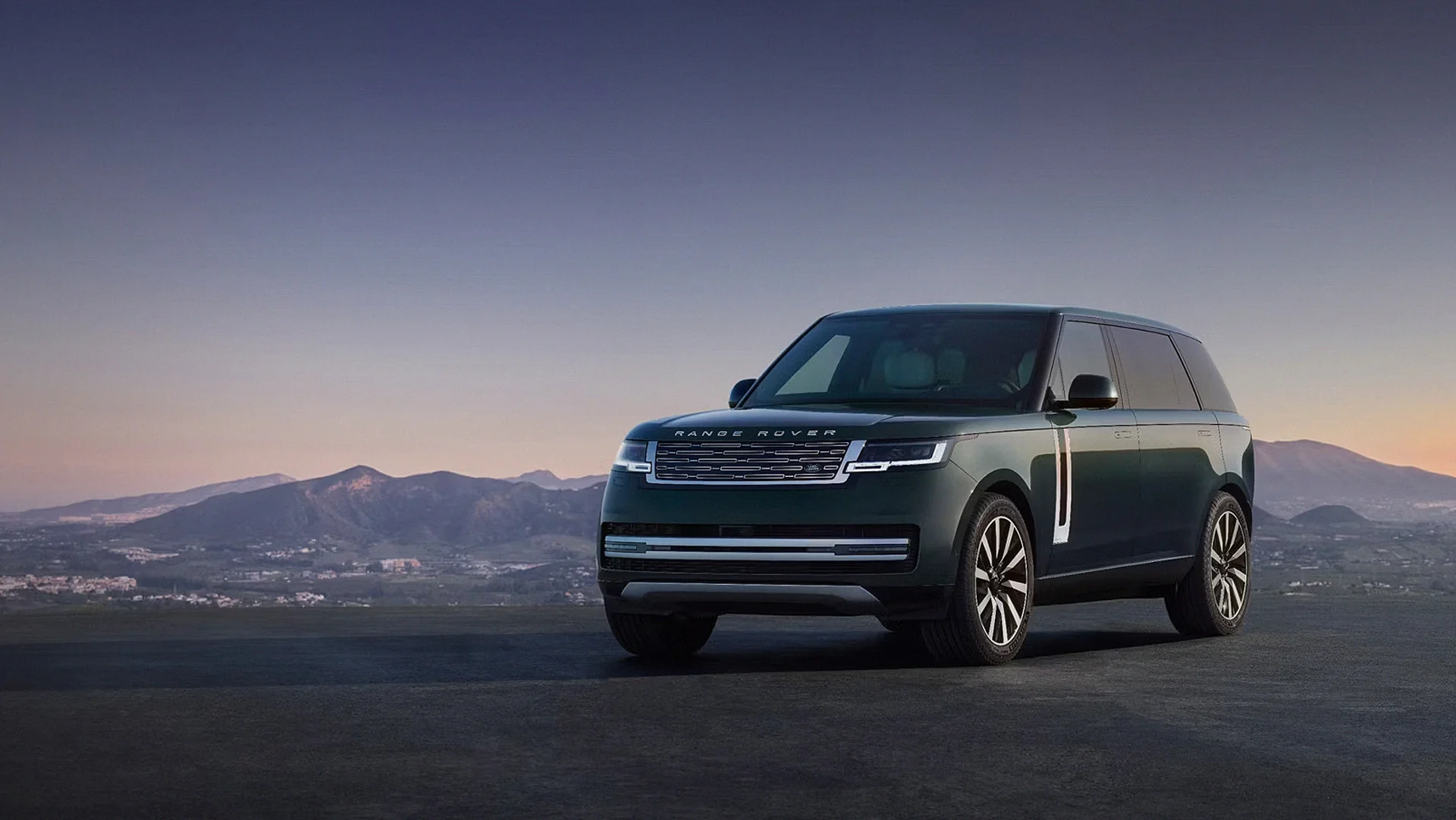
Range Rover’s approach to its long-awaited electric offering was characterized by extreme methodological restraint. Rather than utilizing the blank-canvas freedom of a dedicated electric skateboard platform to craft an avant-garde silhouette, engineers spent roughly a decade ensuring that the vehicle remained unmistakably a Range Rover.
Parked side-by-side with its internal combustion counterpart, the differences are intentionally subtle:
- A smooth, filled-in front grille optimized for aerodynamic efficiency without altering visual identity.
- Aerodynamically sculpted wheel designs that systematically minimize drag coefficients.
- A heavily reworked underbody housing a sophisticated double-stacked 118.5 kWh battery architecture.
- Zero alterations to the classic three-line profile, floating roof, and commanding proportions established decades prior.
This commitment to aesthetic preservation required immense capital expenditure, including over 300 patent applications, extensive retraining programs across manufacturing plants, and advanced thermal management engineering. By solving efficiency challenges through hidden structural innovations rather than overt body modifications, the brand successfully protected its primary purchasing driver: exterior prestige.
Contrasting Philosophies: The Market Cost of Radical Design
The financial perils of ignoring customer sentiment were starkly demonstrated when peer ultra-luxury manufacturers unveiled radical departures in their initial EV lineups. When design languages lean too heavily into minimalist, tech-forward aesthetics reminiscent of consumer electronics rather than heritage craftsmanship, the market response can be swift and unforgiving.
Key factors separating successful luxury EV deployment from disruptive missteps include:
- Primary Purchase Drivers: Market research consistently indicates that exterior styling remains the number one catalyst for luxury vehicle acquisition, superseding raw powertrain specs.
- Brand Ethos Alignment: Vehicles tied to rich performance or heritage legacies risk alienating core demographics if their aesthetic identity is abruptly overhauled.
- Correction Mechanics: Pricing premiums, minor battery tweaks, and feature adjustments are easily managed in subsequent model years, whereas deep-seated aesthetic rejection can permanently damage institutional brand equity.
Market Implications and Investor Guidance
For investors, portfolio managers, and industry analysts, the rollout of luxury electric flagships serves as a bellwether for how effectively legacy moats can be defended in a tech-disrupted landscape. Automotive companies that treat electrification as a mechanical transformation rather than an existential identity crisis are far better positioned to retain pricing power.
As the market matures, investors should closely monitor several critical metrics:
- Order Book Resilience: Tracking conversion rates from initial reservation holders through official delivery phases, especially when price premiums over combustion equivalents become tangible.
- Margin Stability: Assessing how effectively manufacturers absorb the heavy R&D costs of custom-engineered battery layouts without eroding long-term segment margins.
- Resale Value Projections: Evaluating whether design conservatism safeguards second-hand market values better than radical stylistic departures.
Ultimately, Range Rover's strategy proves that true innovation often lies beneath the surface. By respecting the visual heritage that built its empire, the brand has provided a blueprint for industrial transition that safeguards both shareholder value and customer loyalty.
Continue reading
Related coverage in Business
nytimes.com
David Ellison Targets CNN Leadership Continuity in Paramount Merger Talks
David Ellison is currently negotiating to retain CNN CEO Mark Thompson without oversight from CBS editor in chief Bari Weiss as parent companies navigate merger plans.
2 min read
bbc.com
Decoding Nike’s Slump: How Strategic Missteps Cost the Sportswear Titan Its Edge
Explore the factors behind Nike's dramatic market decline. Industry analysts dissect the self-inflicted strategic errors that shook the sportswear giant.
3 min read
bbc.com
Treasury Committee Directs HMRC to Investigate Tax Implications of Manchester City Case
The UK Treasury Committee has called on HMRC to closely examine potential tax ramifications arising from the high-profile Manchester City legal verdict.
3 min read
nytimes.com
US Imposes Sanctions on Russian Firm A7 Over Global Shell Company Evasion Schemes
The United States targets Russian financial firm A7 with new sanctions following reports of utilizing global shell companies to bypass existing economic restrictions.
3 min read