Mastering the Art of High-Stakes Negotiation: Strategic Lessons From Mark Carney
When confronting a powerful adversary, emotional reactions often lead to defeat. Explore how strategic composure outperforms aggressive pushback in high-stakes deals.
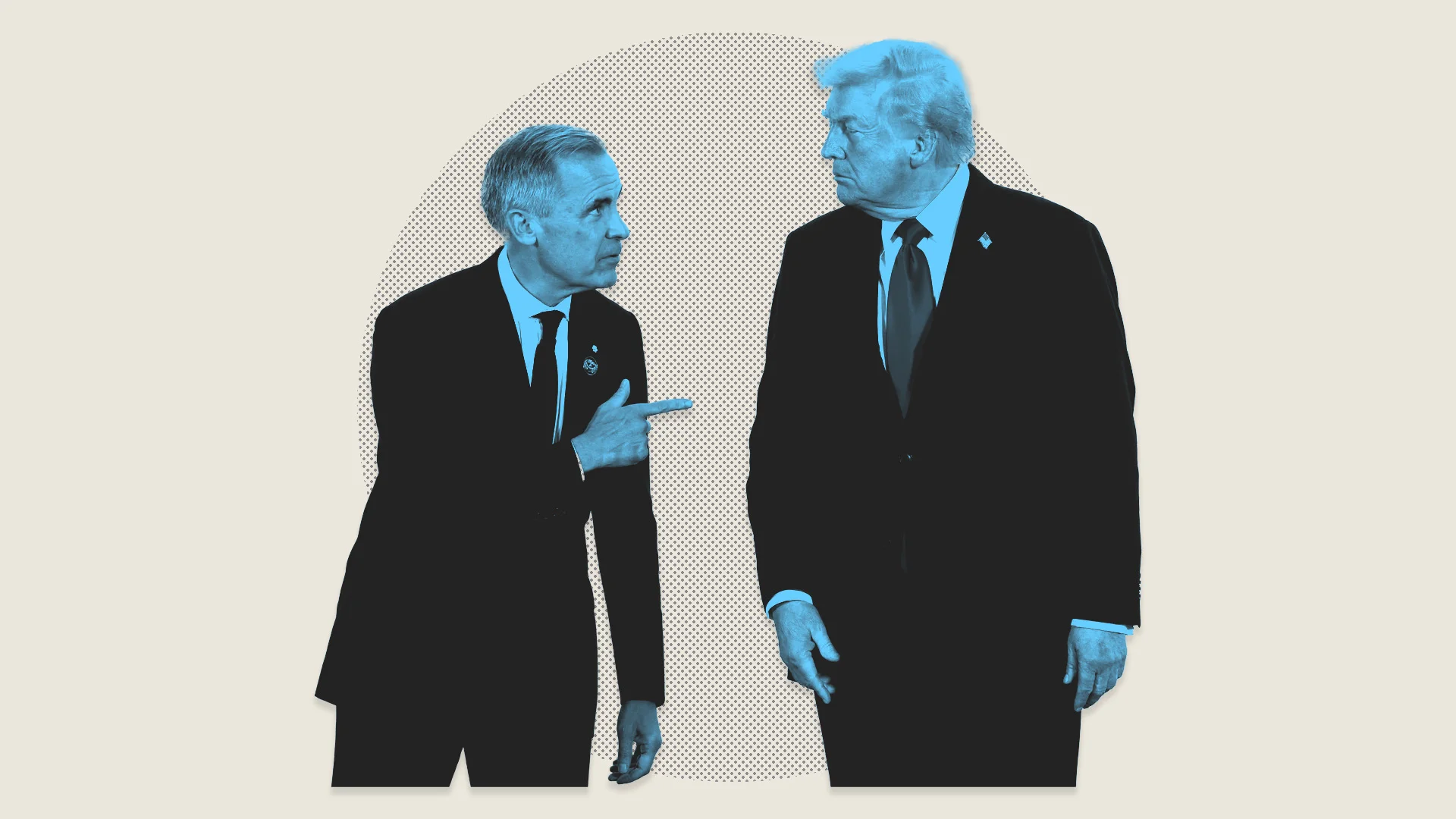
Source image: inc.com
inc.comNavigating Asymmetric Power Dynamics in Modern Business
In the rarefied air of corporate boardrooms and international trade arenas, executives frequently encounter counterparts who wield disproportionate leverage. Whether it is a dominant market incumbent attempting to squeeze a venture or an aggressive counterparty demanding unreasonable concessions, the initial impulse is often defensive. Leaders feel compelled to fight fire with fire, matching aggression with immediate pushback. However, high-stakes analysis reveals that emotional retaliation almost always plays directly into the hands of the aggressor.
True strategic mastery requires a fundamental shift in perspective. When sitting across the table from a dominant adversary, abandoning emotional triggers allows leaders to evaluate systemic vulnerabilities rather than surface-level threats. Composure is not weakness; it is the ultimate tactical asset.
The Psychology of the Bully and Why Direct Confrontation Fails
Aggressive negotiators typically rely on intimidation, unpredictability, and manufactured urgency to force compliance. They anticipate resistance and build their strategies around overcoming pushback. When an executive responds with matching hostility, they validate the adversary’s framework and enter a domain where the bully holds structural supremacy.
- The Trap of Reactivity: Responding with immediate anger signals a lack of control and erodes negotiating capital.
- The Cost of Escalation: Tit-for-tat friction often obscures long-term strategic objectives in favor of short-term ego preservation.
- The Power of Silence: Deliberate pauses and measured responses disrupt the pacing and expectations of an aggressive counterpart.
Core Frameworks for Strategic Restraint
Adopting a calculated approach to difficult negotiations demands disciplined preparation. Market leaders who successfully navigate volatile partnerships rely on specific methodologies to maintain leverage without sacrificing organizational integrity.
First, mastering emotional discipline is paramount. Maintaining a cool head under pressure disarms opponents who rely on volatility to achieve their goals. Second, understanding the adversary's underlying constraints prevents leaders from making premature concessions. Aggressive negotiators often project absolute strength while harboring severe internal or timeline vulnerabilities.
Market Implications and Risk Management for Investors
For investors and corporate leaders, recognizing the dynamics of high-stakes leverage translates directly to risk assessment. Companies led by executives prone to reactive decision-making carry an inherent valuation discount. Conversely, firms demonstrating measured resilience during crises tend to preserve long-term enterprise value and protect shareholder equity.
What Executives and Investors Should Watch
As global markets face ongoing volatility and shifting trade paradigms, market participants must monitor critical indicators of corporate strength and leadership composure.
Watch for how executive teams communicate during high-pressure negotiations or regulatory battles. Companies that pivot away from emotional posturing toward data-driven, methodical pacing consistently outperform their peers over multi-year horizons. Ultimately, the ability to walk away from a fundamentally flawed arrangement remains the most powerful tool in any leader's arsenal.
Continue reading
Related coverage in Business
nytimes.com
David Ellison Targets CNN Leadership Continuity in Paramount Merger Talks
David Ellison is currently negotiating to retain CNN CEO Mark Thompson without oversight from CBS editor in chief Bari Weiss as parent companies navigate merger plans.
2 min read
bbc.com
Decoding Nike’s Slump: How Strategic Missteps Cost the Sportswear Titan Its Edge
Explore the factors behind Nike's dramatic market decline. Industry analysts dissect the self-inflicted strategic errors that shook the sportswear giant.
3 min read
bbc.com
Treasury Committee Directs HMRC to Investigate Tax Implications of Manchester City Case
The UK Treasury Committee has called on HMRC to closely examine potential tax ramifications arising from the high-profile Manchester City legal verdict.
3 min read
nytimes.com
US Imposes Sanctions on Russian Firm A7 Over Global Shell Company Evasion Schemes
The United States targets Russian financial firm A7 with new sanctions following reports of utilizing global shell companies to bypass existing economic restrictions.
3 min read