Mastering Personal Brand Equity: The Timeless Business Lesson from Dolly Parton's 1978 Interview
Revisiting Dolly Parton's legendary 1978 exchange with Barbara Walters reveals a masterclass in strategic brand differentiation, authenticity, and psychological composure.
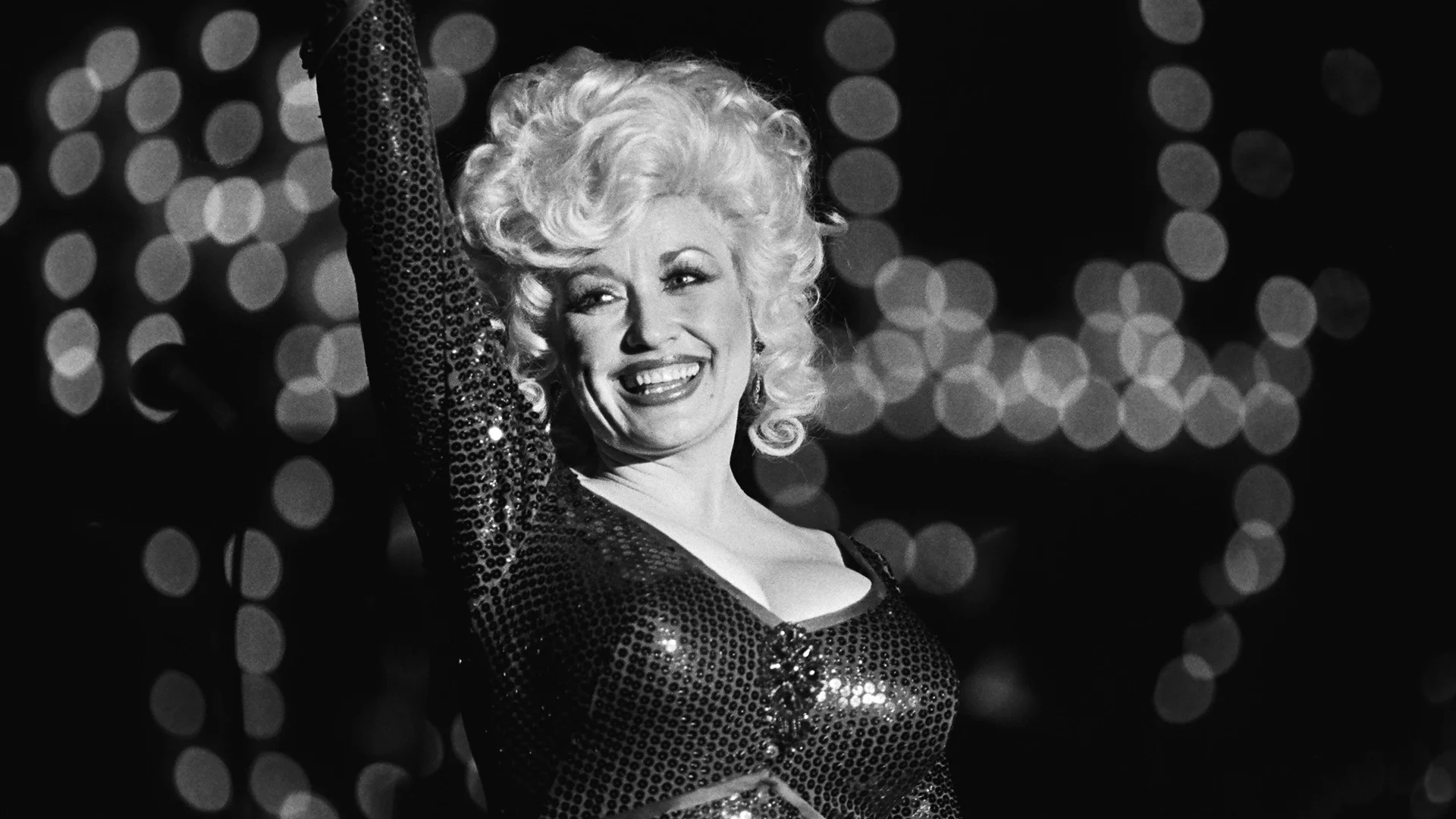
Source image: inc.com
inc.comThe Anatomy of a Masterclass in Brand Control
In the modern corporate landscape, personal branding is treated as a science. Executives hire image consultants, PR firms, and social media strategists to craft an authentic persona that resonates with stakeholders and consumers. However, long before LinkedIn thought leadership and digital content strategies dominated executive circles, country music legend Dolly Parton demonstrated a masterclass in brand equity during a famously tense 1978 television interview with veteran journalist Barbara Walters.
Confronted on national television about her signature look—comprising vibrant clothing, heavy makeup, and elaborate blonde wigs—Walters pressed the singer with a loaded and overtly critical line of questioning. 'You don't have to look like this,' Walters remarked, suggesting that Parton's aesthetic compromised her natural beauty. Rather than becoming defensive or yielding to mainstream pressure, Parton delivered a calculated, calm, and profoundly strategic response that redefined how public figures manage their market perception.
Strategic Differentiation Versus Conformity
Parton’s reply was as sharp as it was deliberate: 'It's certainly a choice. I don't like to be like everybody else. I've often made this statement that I would never stoop so low as to be fashionable. That's the easiest thing in the world to do.'
For entrepreneurs and business leaders, this philosophy translates directly into market positioning. Conforming to industry standards or mimicking competitors is the path of least resistance—and ultimately, a recipe for commoditization. True economic moats are built through deliberate differentiation. Parton understood that standing out required leaning into a distinct, memorable identity that commanded attention, even if traditional gatekeepers found it unorthodox.
Key takeaways from her approach include:
- Weaponizing Uniqueness: Using a distinct visual or operational signature to cut through market noise and capture immediate mindshare.
- Long-Term Vision: Recognizing that initial superficial judgments from critics are a temporary hurdle on the path to establishing deep brand value.
- Radical Self-Awareness: Owning every facet of your professional identity so that external critics lose their leverage.
Market Implications: Why Authenticity Drives Valuation
In today's hyper-transparent economic environment, consumers and institutional investors alike reward authenticity and penalize manufactured conformity. Parton’s revelation during the interview—that her exaggerated aesthetic was a deliberate hook to make audiences look deeper into her core talent—highlights an advanced commercial strategy. 'Once they got past the shock of the ridiculous way I looked and all that, then they would see there was parts of me to be appreciated,' Parton explained. 'I'm very real where it counts. And that’s inside.'
In financial terms, Parton built a multi-million dollar entertainment and licensing empire by managing her intellectual property and public persona with ruthless precision. She treated her image not as an accident of birth or a passive reaction to trends, but as a dynamic asset under her complete control. She famously noted, 'I know exactly what I'm doing, and I can change it at any time.' This level of autonomous control is precisely what modern corporate boards look for in visionary leadership.
What Investors and Executives Should Watch
As markets continue to evolve in an era dictated by digital algorithms and rapid trends, the lessons from Parton's 1978 interview remain acutely relevant for business leaders navigating public perception:
- Resistance to Homogenization: Watch how category-defining companies reject standard industry playbooks to carve out high-margin niches, mirroring Parton's refusal to follow fleeting aesthetic or operational trends.
- Crisis and Narrative Management: Evaluate how modern executives handle pointed, skeptical inquiries from analysts or media outlets. Poise and wit often disarm hostile scrutiny far more effectively than corporate boilerplate statements.
- Long-Term Brand Equity: Understand that enduring value is created by substance backed by a memorable, uncompromised identity rather than short-term attempts to appease mainstream critics.
Ultimately, Dolly Parton’s historic exchange with Barbara Walters is much more than a nostalgic pop-culture artifact. It remains a gold standard for professional resilience, proving that when you completely own your narrative, you dictate the terms of your own success.
Continue reading
Related coverage in Business
nytimes.com
David Ellison Targets CNN Leadership Continuity in Paramount Merger Talks
David Ellison is currently negotiating to retain CNN CEO Mark Thompson without oversight from CBS editor in chief Bari Weiss as parent companies navigate merger plans.
2 min read
bbc.com
Decoding Nike’s Slump: How Strategic Missteps Cost the Sportswear Titan Its Edge
Explore the factors behind Nike's dramatic market decline. Industry analysts dissect the self-inflicted strategic errors that shook the sportswear giant.
3 min read
bbc.com
Treasury Committee Directs HMRC to Investigate Tax Implications of Manchester City Case
The UK Treasury Committee has called on HMRC to closely examine potential tax ramifications arising from the high-profile Manchester City legal verdict.
3 min read
nytimes.com
US Imposes Sanctions on Russian Firm A7 Over Global Shell Company Evasion Schemes
The United States targets Russian financial firm A7 with new sanctions following reports of utilizing global shell companies to bypass existing economic restrictions.
3 min read