Maryland Court Strikes Down Washington Commanders' Workers' Comp Defense in Landmark Ruling
A Maryland appellate court rejected the Washington Commanders' attempt to deny workers' compensation to an injured player, setting a major legal precedent.
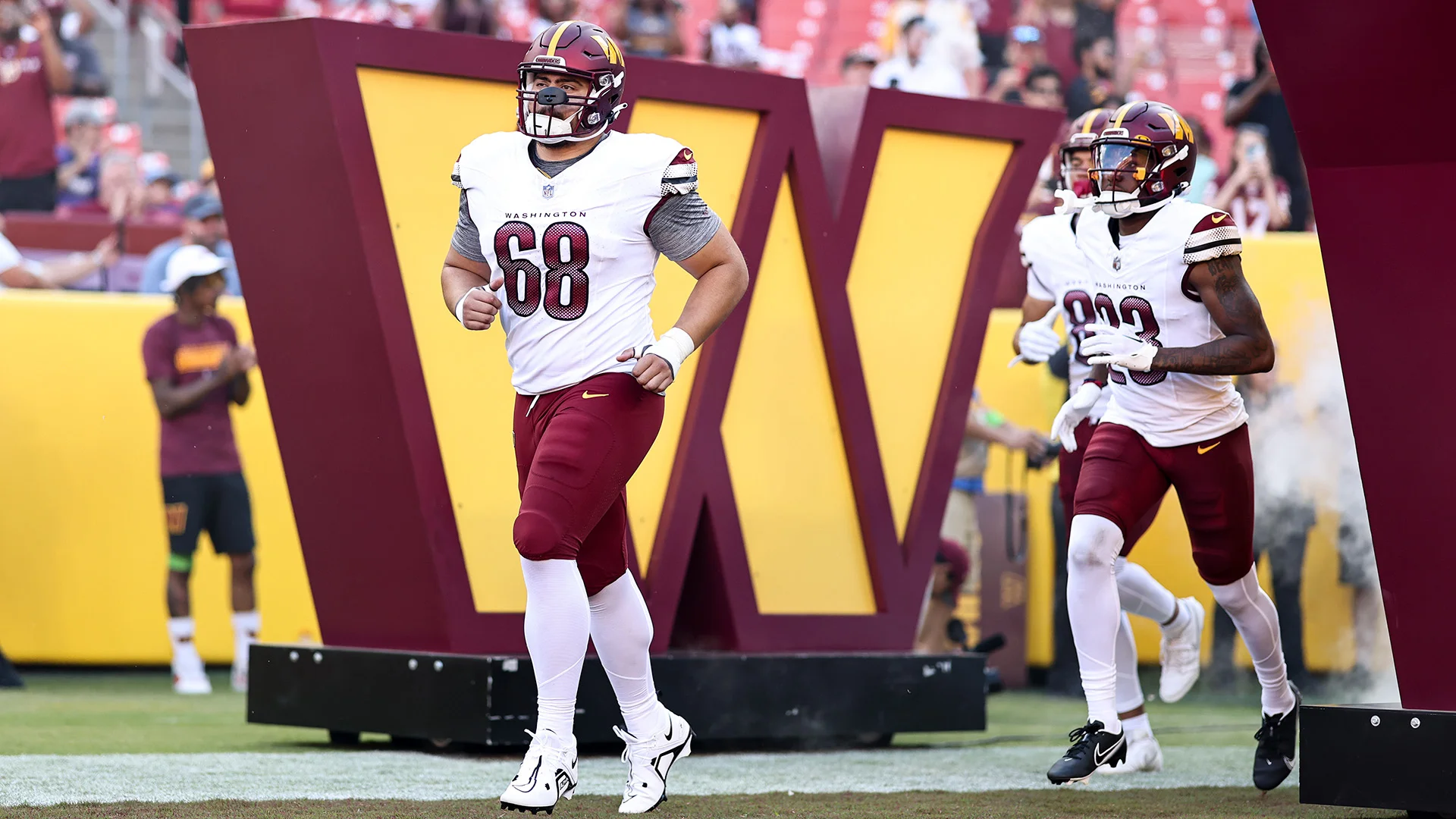
Source image: inc.com
inc.comJurisdictional Battle in Professional Sports
In a closely watched legal decision with broad implications for professional sports franchises, the Appellate Court of Maryland has ruled against the Washington Commanders in a high-stakes workers' compensation dispute. The case centers on former defensive tackle Curtis Brooks, who suffered a catastrophic left Achilles tendon rupture just three days into the team's 2023 preseason training camp. Despite never playing a regular-season snap for the franchise or stepping foot on the field at their Landover, Maryland stadium as an active player, the court determined that Brooks remains fully protected under Maryland's robust labor laws.
The legal confrontation originated when the Commanders and their insurers contested Brooks's March 2024 workers' compensation claim. The franchise argued that because the injury occurred strictly at their practice facility in Ashburn, Virginia, and because Brooks was an unproven player whose roster longevity was uncertain, his short stint amounted to little more than an extended tryout rather than regular employment. Initially, the Maryland Workers' Compensation Commission agreed with the team, denying the claim. However, that decision was systematically dismantled upon appeal, culminating in an appellate affirmation that solidifies player rights across multi-state operations.
Parsing the Court's Logic: Contract Trumps Geography
Writing for the appellate panel, Judge Stuart R. Berger declined the franchise's invitation to engage in speculative post-mortem analysis regarding whether Brooks would have ultimately made the final 53-man roster. Instead, the court focused squarely on the foundational documentation: a standard NFL Player Contract executed directly between the athlete and the organization.
- Active Employment Status: The court established that a signed standard player contract immediately initiates an ongoing employment relationship, rendering training camp activities an integral fulfillment of that agreement.
- Geographic Nexus: Because the Commanders are legally incorporated in Maryland and play their primary home games within the state, the broader scope of employment remains anchored to Maryland jurisdiction.
- Rejection of the 'Tryout' Defense: The judiciary firmly dismissed attempts by professional sports clubs to classify early preseason participation as non-binding evaluations exempt from statutory protections.
By refusing to penalize an athlete for a career-altering injury sustained during preliminary workouts, the court signaled that organizations cannot circumvent local labor obligations simply by bifurcating their administrative headquarters and practice facilities across state lines.
Market Implications and Corporate Liability
For executive leadership, risk management divisions, and corporate legal teams across the professional sports landscape, this ruling serves as a vital wake-up call. Franchises frequently operate across multiple state boundaries—maintaining corporate offices, training sites, and game day arenas in different jurisdictions. This operational model creates a complex maze of overlapping worker compensation frameworks.
The financial ramifications extend far beyond a single disputed claim. Insurance premiums, risk provisioning, and payroll tax allocations for professional athletes are heavily influenced by where employment jurisdiction is legally recognized. If organizations can be held liable for workers' compensation claims originating from practice injuries in adjacent states based on the franchise's home venue, front offices must recalibrate their long-term risk models. Legal experts note that this precedent could embolden other athletes to file claims in high-benefit jurisdictions, significantly elevating contingent liabilities for sports ownership groups.
What Investors and Executives Should Watch
As this legal battle potentially heads to the Maryland Supreme Court—where the team's counsel is weighing further appeals—stakeholders should monitor several key developments:
- Appellate Precedent Adoption: Watch whether other state courts housing multi-jurisdictional franchises adopt similar interpretations regarding training camp injuries.
- Insurance Underwriting Adjustments: Anticipate potential adjustments in team-level injury and liability insurance policies as underwriters price in expanded geographic exposure.
Contractual Structuring: Look for shifts in how legal counsel drafts standard player provisions to delineate localized duties and mitigate cross-border compensation risks.
Ultimately, the Maryland court's decision reinforces a strict interpretation of corporate accountability. For investors backing sports franchises, human capital asset protection is no longer confined to the gridiron on game day; it begins the moment ink hits paper, regardless of where the first whistle blows.
Continue reading
Related coverage in Business
nytimes.com
David Ellison Targets CNN Leadership Continuity in Paramount Merger Talks
David Ellison is currently negotiating to retain CNN CEO Mark Thompson without oversight from CBS editor in chief Bari Weiss as parent companies navigate merger plans.
2 min read
bbc.com
Decoding Nike’s Slump: How Strategic Missteps Cost the Sportswear Titan Its Edge
Explore the factors behind Nike's dramatic market decline. Industry analysts dissect the self-inflicted strategic errors that shook the sportswear giant.
3 min read
bbc.com
Treasury Committee Directs HMRC to Investigate Tax Implications of Manchester City Case
The UK Treasury Committee has called on HMRC to closely examine potential tax ramifications arising from the high-profile Manchester City legal verdict.
3 min read
nytimes.com
US Imposes Sanctions on Russian Firm A7 Over Global Shell Company Evasion Schemes
The United States targets Russian financial firm A7 with new sanctions following reports of utilizing global shell companies to bypass existing economic restrictions.
3 min read