Malicious FomoPeek iOS App Exploits Kernel to Steal $580K in Crypto
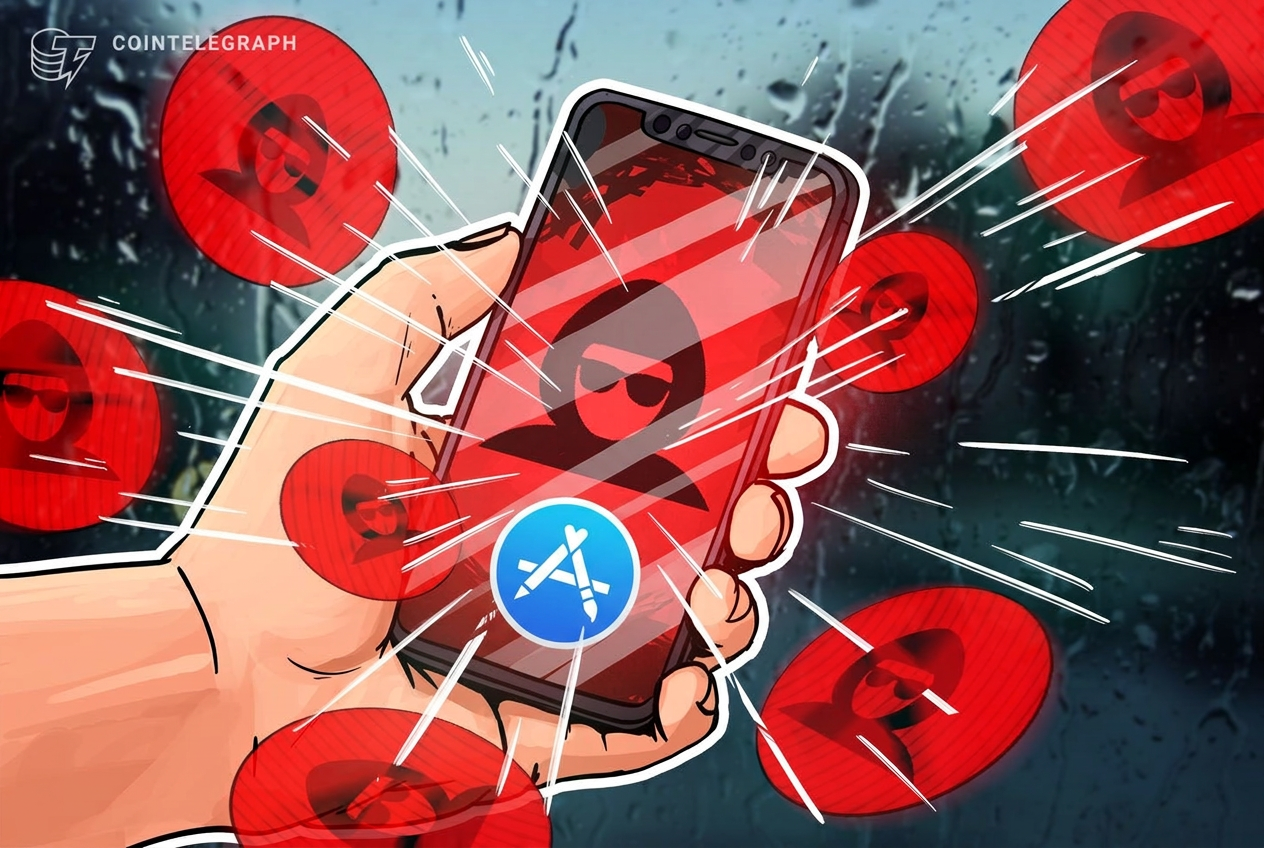
Blockchain security firm SlowMist reveals that a malicious iOS app named FomoPeek used kernel exploits distributed via Apple's App Store to steal $580K.
Source image: cointelegraph.com
cointelegraph.comOverview of the FomoPeek Security Incident
In a recent security alert that has sent ripples through the digital asset community, blockchain security firm SlowMist reported that a malicious iOS application called FomoPeek was directly linked to the theft of approximately $580,000 in cryptocurrency. According to SlowMist's findings, the threat actors managed to distribute malicious versions of FomoPeek directly through Apple's official App Store, bypassing initial review mechanisms.
Unlike standard phishing applications that rely on social engineering to trick users into revealing private keys, FomoPeek deployed advanced technical measures. The application utilized sophisticated iOS kernel exploits specifically designed to break out of the operating system's strict sandbox environment. By escaping this security boundary, the malware gained unauthorized access to sensitive data and files originating from other applications installed on the same device.
Why This Exploit Matters for Executives and Investors
For executives, investors, and high-net-worth individuals managing digital portfolios on mobile devices, this incident shatters long-held assumptions regarding the absolute security of official app stores. While Android ecosystems have historically faced higher scrutiny regarding malware, the FomoPeek case demonstrates that iOS devices are not immune to advanced kernel-level compromises distributed via official channels.
The ability of an app to escape sandbox isolation represents a severe threat vector. When malware can harvest sensitive data across multiple applications, standard mobile wallet setups become vulnerable. Key implications of this breach include:
- Erosion of App Store Trust: Users rely on official curation processes to filter out malicious software, making supply-chain style distribution breaches particularly damaging.
- Escalation of Mobile Threats: Shift from simple credential phishing to deep, OS-level exploitation targeting mobile crypto assets.
- Financial Risk for High-Value Targets: Individuals storing significant holdings accessible via mobile interfaces face magnified counterparty and platform risks.
Market Implications and Strategic Outlook
The exposure of the FomoPeek exploit is expected to accelerate a transition toward hardware-based security solutions among serious crypto investors. As mobile operating systems remain complex targets for both malicious actors and platform defenders, reliance on software wallets running on standard smartphones will likely face renewed skepticism.
Furthermore, this event could prompt regulatory bodies and consumer protection agencies to scrutinize app store vetting procedures even further. For developers and cybersecurity firms, the incident underscores the urgent need for enhanced runtime application self-protection (RASP) and deeper integrity checks within mobile financial ecosystems.
Readers and market participants should closely monitor how Apple responds to these kernel exploit vectors, as well as any subsequent updates from SlowMist or related security advisories. For continued verification and details regarding the underlying blockchain forensics, you can review the original report at Cointelegraph.
Continue reading
Related coverage in Crypto
cointelegraph.com
Trump Schedules Third Memecoin Holder Dinner Amid Growing Corruption Scrutiny
President Trump is set to host his third exclusive memecoin dinner for top token holders at his Washington, DC golf club, drawing renewed ethical and market scrutiny.
3 min read
cointelegraph.com
50,000 Europeans Petition EU to Relax MiCA Stablecoin Reward Restrictions
A new 50,000-letter campaign is urging Brussels to ease stablecoin rewards restrictions during the MiCA review, aligning with broader central bank pushes.
2 min read
cryptonews.com
Dogecoin Eyes $1 Milestone as DogeOS Testnet Launch Sparks Utility Speculation
Dogecoin trades at $0.09447 as the DogeOS testnet goes live. Traders eye the $0.098 resistance and psychological $0.10 mark amid fresh utility potential.
2 min read
decrypt.co
Bitcoin Enters 'Uptober' Amid Fed Rate Hike Pressures and 5.3% Treasury Yields
Bitcoin enters its historically strongest month following a record September, yet rising Federal Reserve rate hike fears and 5.3% Treasury yields present major hurdles.
2 min read