LIV Golf Files for Chapter 11 Bankruptcy Following Saudi Funding Withdrawal
Four years after shaking up the professional golf landscape, LIV Golf has filed for Chapter 11 bankruptcy protection as it transitions away from Saudi backing.
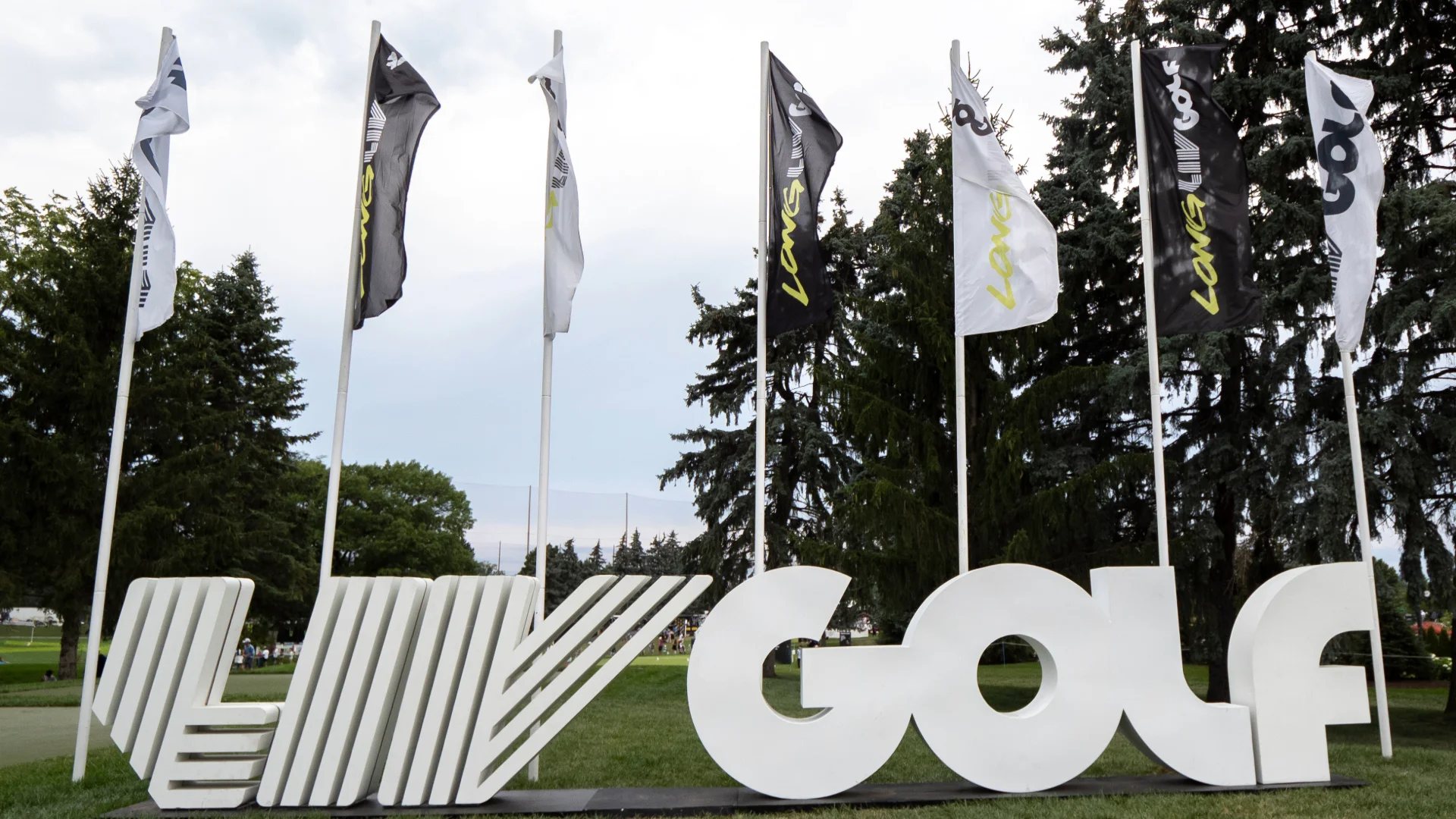
Source image: inc.com
inc.comThe Rise and Fall of a Multibillion-Dollar Golf Disrupter
Four years after its aggressive debut sent shockwaves through the global sports ecosystem, LIV Golf has officially sought Chapter 11 bankruptcy protection in the U.S. Bankruptcy Court for the District of New Jersey. Backed initially by the deep pockets of Saudi Arabia's Public Investment Fund (PIF), the breakaway league spent billions attempting to dismantle the traditional hegemony of the PGA Tour by dangling astronomical signing bonuses and guaranteed payouts in front of the sport's biggest names.
However, the underlying economics of the enterprise proved unsustainable. Following substantial annual operating losses and a strategic shift in Riyadh away from prolonged international venture cash burns, the PIF pulled the plug on further equity infusions. This abrupt funding freeze left the organization with little runway, culminating in massive layoffs, tournament cancellations, and an eventual court-supervised restructuring.
Anatomy of the Bankruptcy: Unsecured Creditors and Top Pros
Court documents filed in New Jersey reveal the true scale of LIV Golf's liabilities, estimated between $500 million and $1 billion against assets valued between $100 million and $500 million. Most notably, the organization’s largest unsecured creditors comprise the elite golfers who anchored its competitive credibility.
Leading the list of unpaid obligations are several major champions:
- Jon Rahm: Owed approximately $7.5 million
- Bryson DeChambeau: Owed roughly $5.7 million
- Dustin Johnson: Owed approximately $5.5 million
- Cameron Smith: Owed roughly $4.8 million
- Tyrrell Hatton, Joaquin Niemann, and Brooks Koepka: Combined millions in trailing compensation
Despite these outstanding debts, the league has secured nearly $50 million in debtor-in-possession (DIP) financing from the PIF to maintain baseline operations through the initial phases of the legal proceedings.
Market Implications and the Transition to 'LIV 2.0'
For institutional investors and sports business analysts, the collapse of LIV's initial financial model highlights the severe limits of venture-backed sports leagues that rely purely on sovereign subsidies without achieving organic operational viability. Media rights values, ticket sales, and secondary sponsorship revenues failed to scale in tandem with skyrocketing athlete compensation packages.
Nevertheless, the Chapter 11 filing is structured as a strategic operational rescue rather than an outright liquidation. Under a proposed Restructuring Support Agreement, London-based private equity firm BC Partners is slated to spearhead a $300 million recapitalization effort. This transaction is designed to transition the company into what executives are terming 'LIV 2.0'—a streamlined model featuring a player-first ownership structure where elite athletes accept equity participation alongside fresh private capital.
What Investors and Industry Observers Should Watch
As the case moves through the New Jersey bankruptcy court ahead of a targeted early 2027 emergence, several critical milestones remain worth monitoring for market participants:
- Creditor Acceptance: How unsecured player creditors vote on equity-swap proposals instead of cash settlements.
- Private Equity Commitment: The definitive closing conditions and structural terms surrounding the BC Partners-led bailout financing.
- PGA Tour Dynamics: Whether traditional golf bodies maintain rigid disciplinary boundaries or if compromised player contracts accelerate broader industry consolidation.
Ultimately, LIV Golf's restructuring serves as a cautionary tale for well-capitalized market entrants attempting to upend legacy industries without a clear, self-sustaining path to profitability.
Continue reading
Related coverage in Business
nytimes.com
David Ellison Targets CNN Leadership Continuity in Paramount Merger Talks
David Ellison is currently negotiating to retain CNN CEO Mark Thompson without oversight from CBS editor in chief Bari Weiss as parent companies navigate merger plans.
2 min read
bbc.com
Decoding Nike’s Slump: How Strategic Missteps Cost the Sportswear Titan Its Edge
Explore the factors behind Nike's dramatic market decline. Industry analysts dissect the self-inflicted strategic errors that shook the sportswear giant.
3 min read
bbc.com
Treasury Committee Directs HMRC to Investigate Tax Implications of Manchester City Case
The UK Treasury Committee has called on HMRC to closely examine potential tax ramifications arising from the high-profile Manchester City legal verdict.
3 min read
nytimes.com
US Imposes Sanctions on Russian Firm A7 Over Global Shell Company Evasion Schemes
The United States targets Russian financial firm A7 with new sanctions following reports of utilizing global shell companies to bypass existing economic restrictions.
3 min read