Legislative Bottleneck Threatens CLARITY Act as House Slashes September Calendar
House leadership's decision to cut eight voting days threatens to derail the CLARITY Act's path to enactment before the upcoming midterm elections.
Source image: cryptonews.com
cryptonews.comCongressional Schedule Shakes Up Crypto Regulation Timeline
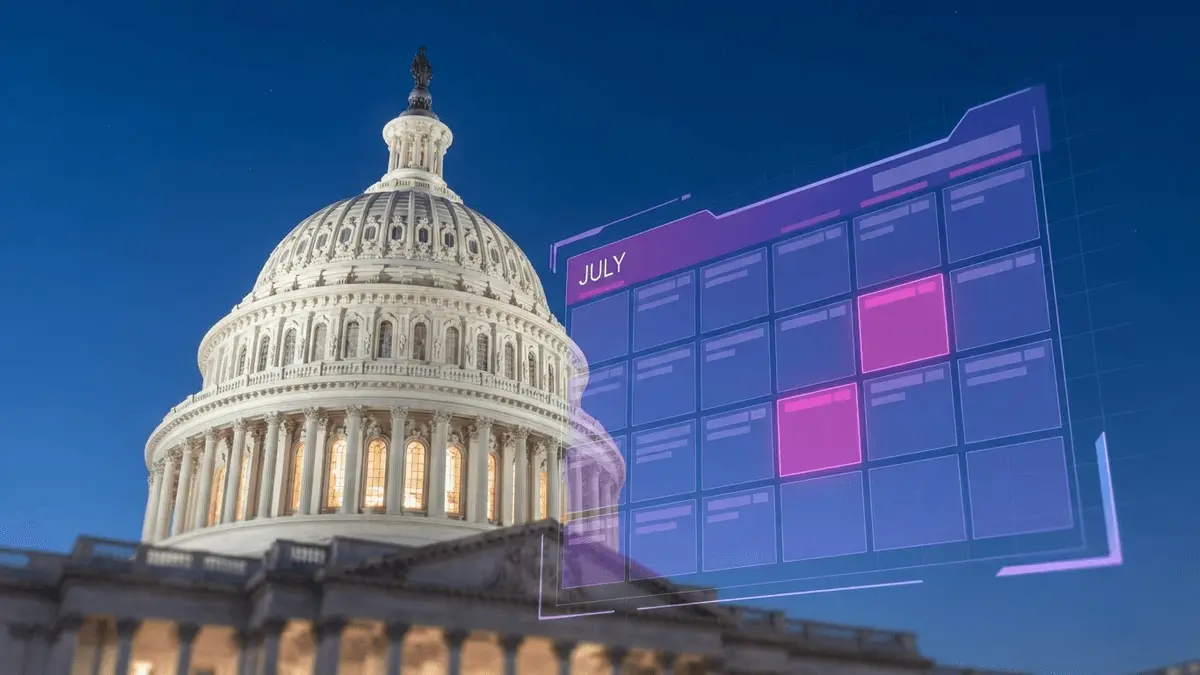
The path toward comprehensive digital asset regulation in the United States has hit a major structural roadblock. House Republican leadership has officially notified members that the voting sessions scheduled for the weeks of September 21 and September 28 have been removed from the calendar. By cutting eight legislative days, the House will effectively conclude its pre-election business on September 17, leaving representatives with a mere four-day working window after returning from recess.
This sudden calendar compression creates an immediate bottleneck for the Digital Asset Market Clarity Act (CLARITY Act). Market participants and institutional investors had heavily anticipated a high-stakes procedural vote in the Senate slated for mid-September. However, the truncated House schedule leaves almost zero margin for error, threatening to push final congressional consensus into the unpredictable post-election lame-duck period.
Anatomy of a Legislative Squeeze
To understand the severity of the delay, investors must look closely at the mechanics of how the bill moves through Congress:
- The House Baseline: The House of Representatives previously passed its iteration of the framework, H.R. 3633, back in 2025 with a decisive 294-134 vote. That version sought to establish clear regulatory boundaries between the Securities and Exchange Commission (SEC) and the Commodity Futures Trading Commission (CFTC).
- Senate Amendments: Rather than rubber-stamping the House text, Senate committees have spent months reworking provisions and introducing distinct amendments, reflecting deep legislative negotiations over market oversight.
- The Reconciliation Requirement: Because the Senate version differs from the initial House legislation, any text approved by the Senate must be sent back to the House for final concurrence or go through a formal conference committee.
With the House scheduled to shutter operations on September 17—just days after the Senate initiates its floor action—representatives will not be in Washington to receive, debate, or vote on any amended text before breaking for the midterm elections.
Market Implications and Institutional Sentiment
The cryptocurrency market had largely priced in optimism surrounding a September legislative breakthrough, with institutional desks anticipating that regulatory clarity would unlock deeper corporate treasury allocations and mainstream financial products. The sudden evaporation of legislative floor time has prompted leading industry analysts to downgrade near-term expectations.
Market structure experts, including representatives from major digital asset research firms, have labeled the calendar shift a significant setback for immediate policy execution. While a lame-duck session remains a viable alternative for final passage, bills moving through post-election periods frequently face heightened political friction, competing priorities, and shifting legislative majorities.
What Investors Should Watch
As the legislative landscape shifts, institutional investors, venture capital funds, and crypto-native enterprises should monitor several critical indicators over the coming weeks:
Senate Floor Dynamics: Observe how smoothly the upper chamber handles cloture and floor amendments during its scheduled mid-September votes. A unified, bipartisan Senate vote could increase pressure on leadership to find a creative vehicle for passage.
Leadership Signals on Lame-Duck Priorities: Track statements from congressional leaders regarding whether regulatory reform will occupy a prioritized slot in the post-election congressional agenda.
SEC and CFTC Commentary: Pay close attention to regulatory guidance and public remarks from financial regulators, who continue to operate under existing enforcement frameworks while awaiting congressional direction.
Ultimately, while the long-term trajectory toward a formalized market structure remains intact, the latest calendar cuts serve as a stark reminder of the unpredictable nature of Washington politics and the complexities of establishing federal oversight for digital assets.
Continue reading
Related coverage in Crypto
cointelegraph.com
Trump Schedules Third Memecoin Holder Dinner Amid Growing Corruption Scrutiny
President Trump is set to host his third exclusive memecoin dinner for top token holders at his Washington, DC golf club, drawing renewed ethical and market scrutiny.
3 min read
cointelegraph.com
50,000 Europeans Petition EU to Relax MiCA Stablecoin Reward Restrictions
A new 50,000-letter campaign is urging Brussels to ease stablecoin rewards restrictions during the MiCA review, aligning with broader central bank pushes.
2 min read
cryptonews.com
Dogecoin Eyes $1 Milestone as DogeOS Testnet Launch Sparks Utility Speculation
Dogecoin trades at $0.09447 as the DogeOS testnet goes live. Traders eye the $0.098 resistance and psychological $0.10 mark amid fresh utility potential.
2 min read
decrypt.co
Bitcoin Enters 'Uptober' Amid Fed Rate Hike Pressures and 5.3% Treasury Yields
Bitcoin enters its historically strongest month following a record September, yet rising Federal Reserve rate hike fears and 5.3% Treasury yields present major hurdles.
2 min read