John Lewis Partnership Warns of Escalating Pressures as Half-Year Losses More Than Double
The John Lewis Partnership reports widening half-year losses as consumer caution and rising operational costs weigh heavily on its turnaround strategy.
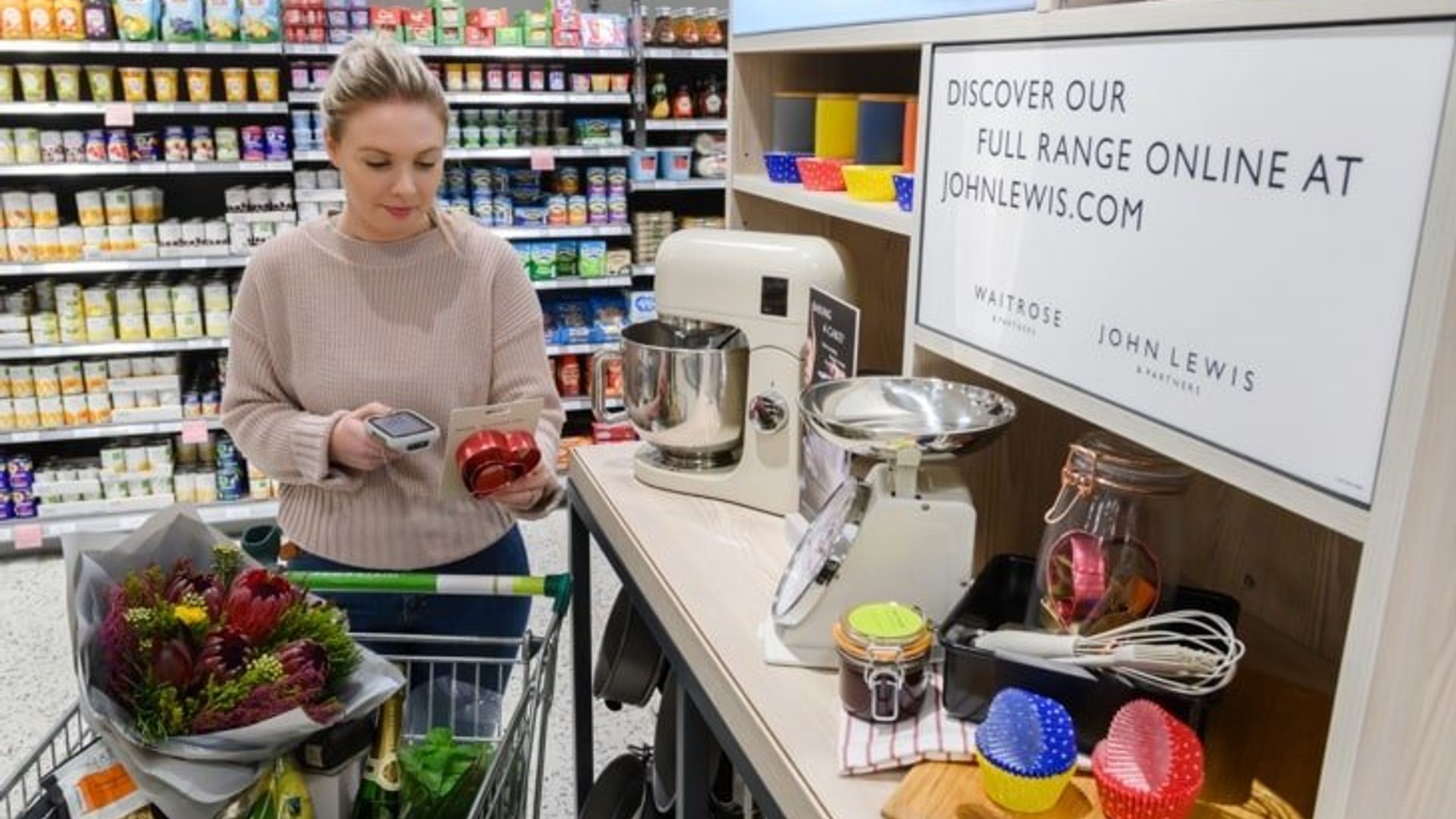
Source image: skynews.com
skynews.comA Troubling Trajectory for British Retail
The John Lewis Partnership (JLP), one of the United Kingdom's most iconic employee-owned retail conglomerates, has delivered a sobering financial update that underscores the deepening fragility of consumer discretionary spending. For the first half of the fiscal year, the group reported that its pre-tax losses before exceptional items surged to £89 million, a sharp escalation from the £34 million loss recorded during the corresponding period last year. On a bottom-line basis, total pre-tax losses expanded to £124 million. These figures lay bare the immense hurdles facing management as they attempt to execute a multi-year corporate turnaround amidst an increasingly volatile macroeconomic climate.
Despite reporting a 2% rise in overall revenue to reach £6.3 billion, the underlying health of the business reveals a widening divergence between its primary divisions. The group's upmarket grocery arm, Waitrose, proved to be a vital anchor, posting a 4% increase in sales. However, this resilience was entirely eclipsed by struggles within the John Lewis department store network, where sales dropped by 2% as cash-strapped consumers systematically deferred purchases of big-ticket items and non-essential home goods.
Divergent Division Performance and Cost Pressures
- Waitrose Resilience: The supermarket division demonstrated relative strength with a 4% top-line expansion, proving essential for sustaining overall group turnover.
- Department Store Slump: John Lewis department stores encountered a 2% revenue contraction driven by subdued consumer appetite for high-end electronics, fashion, and home furnishings.
- Structural Overhaul: Ongoing corporate restructuring—including streamlining central head office teams—added short-term cost burdens to the balance sheet.
- Promotional Intensity: To combat sliding demand, the department store division was forced to inject heavier capital into promotional discounting, squeezing underlying operating margins further.
Macroeconomic Headwinds and Strategic Implications
Addressing investors and market analysts, JLP leadership pointed directly to broader geopolitical instability and domestic economic pressures as the primary catalysts for dampened consumer confidence. Households across the United Kingdom are navigating squeezed disposable incomes, forcing heritage retailers to compete aggressively on price while absorbing escalating operational expenses. Furthermore, the financial burden of head office reorganizations and strategic investments in supply chain modernization have temporarily inflated overheads, compounding the strain of soft retail demand.
The partnership's executive team emphasized that retail success relies heavily on the final quarter of the fiscal year. Traditionally, the majority of JLP’s annual profits are generated during the critical Christmas trading window. With consumer sentiment remaining fragile, the margin for error heading into peak trading is vanishingly thin. Any underperformance during the winter months could severely jeopardize the group's full-year financial stability and delay its broader strategic roadmap.
What Investors and Market Watchers Should Monitor
As the retail sector approaches the high-stakes holiday shopping season, market participants and institutional investors should keep a close eye on several key performance indicators:
- Peak Holiday Volume: Monitor November and December sales figures to gauge whether festive demand can offset first-half losses.
- Discretionary Spending Trends: Track consumer appetite for high-value home and lifestyle goods across traditional department stores.
- Margin Management: Assess how effectively management balances promotional discounting against the protection of gross operating margins.
- Turnaround Execution: Evaluate the long-term cost efficiencies yielded by the ongoing corporate restructuring and leadership changes within the department store division.
Continue reading
Related coverage in Business
nytimes.com
David Ellison Targets CNN Leadership Continuity in Paramount Merger Talks
David Ellison is currently negotiating to retain CNN CEO Mark Thompson without oversight from CBS editor in chief Bari Weiss as parent companies navigate merger plans.
2 min read
bbc.com
Decoding Nike’s Slump: How Strategic Missteps Cost the Sportswear Titan Its Edge
Explore the factors behind Nike's dramatic market decline. Industry analysts dissect the self-inflicted strategic errors that shook the sportswear giant.
3 min read
bbc.com
Treasury Committee Directs HMRC to Investigate Tax Implications of Manchester City Case
The UK Treasury Committee has called on HMRC to closely examine potential tax ramifications arising from the high-profile Manchester City legal verdict.
3 min read
nytimes.com
US Imposes Sanctions on Russian Firm A7 Over Global Shell Company Evasion Schemes
The United States targets Russian financial firm A7 with new sanctions following reports of utilizing global shell companies to bypass existing economic restrictions.
3 min read