Jaguar Land Rover Initiates Major Restructuring and Voluntary Redundancies to Achieve £1.7 Billion Cost Savings
Luxury carmaker Jaguar Land Rover has launched a voluntary redundancy initiative targeting salaried and management staff as part of a sweeping £1.7 billion cost-reduction strategy.
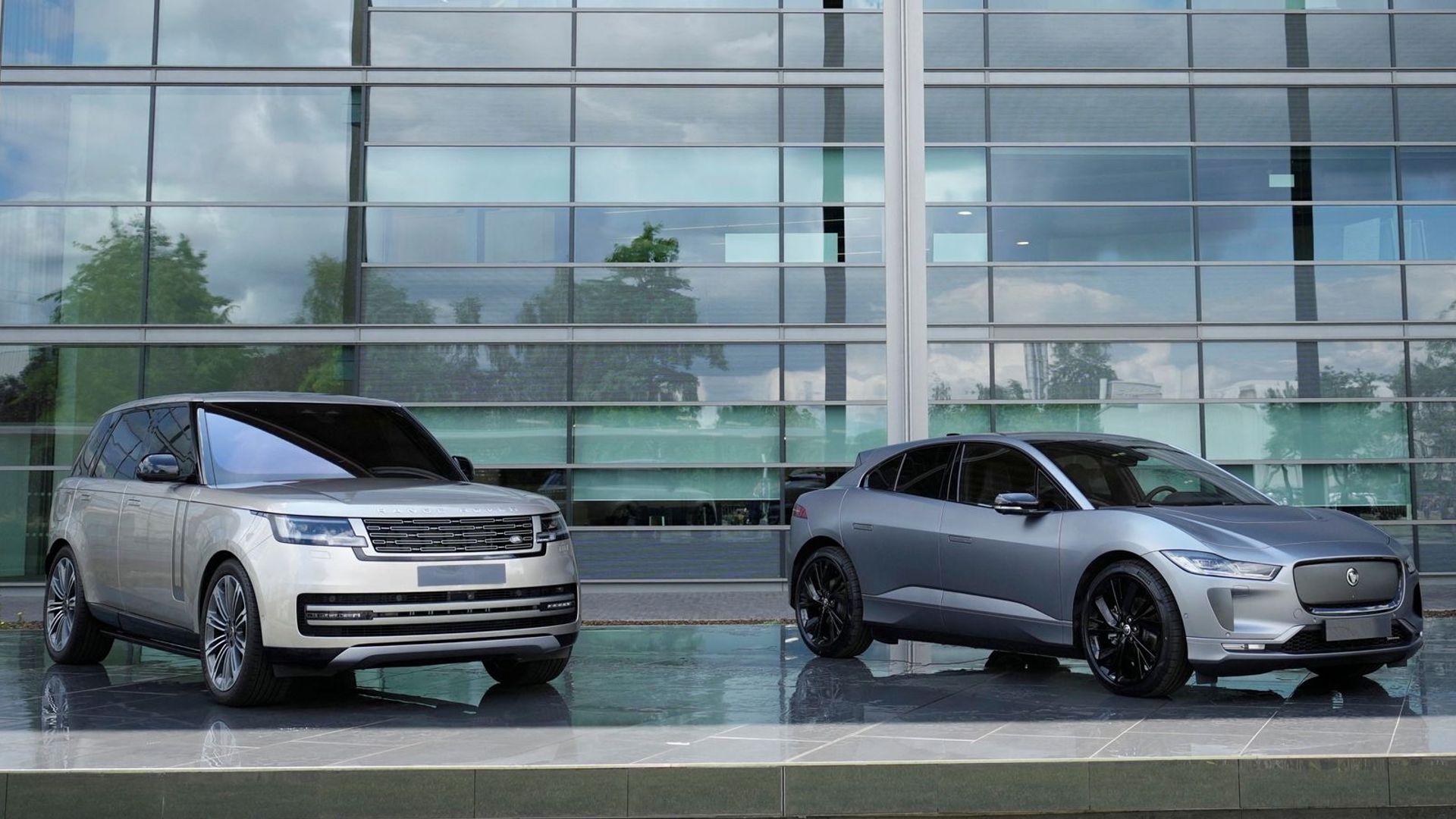
Source image: skynews.com
skynews.comNavigating Unprecedented Headwinds in the Global Automotive Sector
Jaguar Land Rover (JLR), the crown jewel of British luxury vehicle manufacturing and a vital subsidiary of Tata Motors, has formally announced the implementation of a comprehensive cost-cutting mandate. Facing a convergence of geopolitical pressures, supply chain vulnerabilities, and shifting consumer demand, the company has initiated a voluntary redundancy program aimed squarely at salaried and management ranks. While corporate leadership has refrained from confirming exact headcount figures, industry estimates suggest that thousands of roles could be impacted across its UK operations as the organization seeks to trim approximately £1.7 billion from its balance sheet over the next two consecutive years.
The announcement underscores the immense volatility currently gripping legacy automotive heavyweights. JLR’s leadership emphasized that the strategic pivot is essential to future-proof the business against unpredictable international trade policies and macro-environmental shifts. By optimizing organizational agility, the manufacturer hopes to lower its operational break-even point to roughly 300,000 vehicles, ensuring that future production cycles remain profitable even during periods of suppressed consumer spending.
Financial Strain and Compounding Operational Challenges
The decision to streamline corporate structures arrives on the heels of a sobering financial disclosure. JLR recently reported a 9.6 percent year-on-year drop in quarterly revenues, which slipped to £6 billion for the period ending June. This contraction was exacerbated by a series of acute operational setbacks:
- Supply Chain Disruption: Production lines at critical facilities, including the Solihull plant responsible for manufacturing high-margin Range Rover models, experienced temporary halts following fires at key component supplier factories.
- Geopolitical and Tariff Pressures: Intensified trade barriers and export tariffs targeting major international destinations—most notably the United States—have severely compressed profit margins on luxury vehicles.
- Cyber Security Aftershocks: The company continues to absorb the lingering commercial and operational ramifications of a devastating cyberattack that shuttered global manufacturing networks for multiple weeks, costing the business tens of millions daily in halted output.
Market Implications and Strategic Re-alignment
For investors and sector analysts, JLR’s aggressive cost-containment strategy highlights the delicate balancing act legacy automakers face. As the industry undergoes a capital-intensive transition toward electrification and software-defined architectures, unexpected macro shocks can quickly deplete cash reserves. JLR's push to simplify its internal hierarchy is designed to redirect capital toward long-term technological development while insulating the core brand from near-term volume volatility.
However, shedding experienced talent via voluntary exits also carries risks, particularly regarding institutional knowledge and execution speed on upcoming electric vehicle rollouts. Market watchers will be closely monitoring whether these structural adjustments can successfully restore operating margins without stalling product pipeline momentum.
Key Metrics and Indicators for Investors to Watch
As JLR advances through this two-year turnaround phase, stakeholders and institutional investors should monitor several critical Key Performance Indicators (KPIs):
- Break-Even Volume Progress: Track management's quarterly updates regarding the successful reduction of the operational break-even threshold toward the 300,000-vehicle target.
- Export Resilience and Tariff Mitigations: Assess how effectively JLR manages trade barriers in crucial revenue corridors such as North America.
- EV Transition Timelines: Evaluate capital expenditure allocations toward next-generation electric platforms to ensure long-term competitiveness against pure-play electric vehicle rivals.
- Parent Company Performance: Keep a close eye on Tata Motors' overarching financial health and consolidated quarterly earnings reports for broader insights into group-level stability.
Continue reading
Related coverage in Business
nytimes.com
David Ellison Targets CNN Leadership Continuity in Paramount Merger Talks
David Ellison is currently negotiating to retain CNN CEO Mark Thompson without oversight from CBS editor in chief Bari Weiss as parent companies navigate merger plans.
2 min read
bbc.com
Decoding Nike’s Slump: How Strategic Missteps Cost the Sportswear Titan Its Edge
Explore the factors behind Nike's dramatic market decline. Industry analysts dissect the self-inflicted strategic errors that shook the sportswear giant.
3 min read
bbc.com
Treasury Committee Directs HMRC to Investigate Tax Implications of Manchester City Case
The UK Treasury Committee has called on HMRC to closely examine potential tax ramifications arising from the high-profile Manchester City legal verdict.
3 min read
nytimes.com
US Imposes Sanctions on Russian Firm A7 Over Global Shell Company Evasion Schemes
The United States targets Russian financial firm A7 with new sanctions following reports of utilizing global shell companies to bypass existing economic restrictions.
3 min read