Iran's Hormuz Gambit: Geopolitical Tensions Escalate with Proposed Shipping Restrictions
Iran is reportedly seeking to impose unprecedented restrictions on maritime traffic through the Strait of Hormuz, targeting U.S. and Israeli vessels, and demanding compensation from perceived 'hostile' nations. This move, if realized, could dramatically reshape global energy markets and international relations.
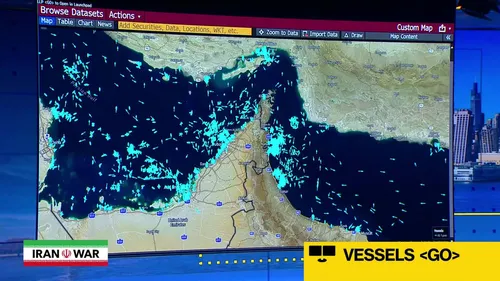
Source image: bloomberg.com
bloomberg.comIran's Hormuz Gambit: Geopolitical Tensions Escalate with Proposed Shipping Restrictions
The geopolitical landscape of the Middle East is bracing for a significant shift as reports emerge detailing Iran's intent to impose unprecedented restrictions on maritime passage through the Strait of Hormuz. According to local media, Iran is actively pursuing a bilateral agreement with Oman that would fundamentally alter the rules of engagement for international shipping in this critical waterway. The proposed terms are stark: a ban on U.S. and Israeli vessels, coupled with demands for financial compensation from any nation deemed 'hostile' before their ships are granted passage. This development, if realized, carries profound implications for global energy markets, international trade, and regional stability, demanding immediate and sustained attention from investors and policymakers.
The Strait of Hormuz is not merely a shipping lane; it is the world's most important oil transit chokepoint, through which approximately one-fifth of the world's total petroleum liquids consumption, or about 21 million barrels per day, flowed in 2023. Any disruption, perceived or actual, to this vital artery has immediate and far-reaching consequences for global energy prices. The prospect of U.S. and Israeli ships being barred from passage, or other nations being forced to pay 'compensation,' introduces an unparalleled level of uncertainty and risk. This move could trigger a sharp increase in crude oil and LNG prices, as supply chain anxieties mount and shipping insurance premiums skyrocket. For investors, this translates into potential volatility across energy-related assets, from oil and gas futures to the equities of shipping companies and energy producers.
The reported initiative underscores Iran's growing assertiveness in the region and its willingness to leverage its strategic geographical position. While the specifics of the proposed Iran-Oman deal remain somewhat opaque, the very notion of such restrictions signals a significant escalation in tensions between Iran and Western powers, particularly the United States and Israel. This could lead to a more militarized presence in the Strait, increasing the risk of miscalculation and accidental confrontation. The international community, led by major maritime powers, is likely to view any unilateral imposition of such restrictions as a violation of international law, specifically the United Nations Convention on the Law of the Sea (UNCLOS), which guarantees the right of transit passage through straits used for international navigation.
For executives and investors, the implications extend beyond immediate energy market fluctuations. Companies reliant on global supply chains, particularly those with exposure to Middle Eastern trade routes, must reassess their risk profiles. Diversification of shipping routes, where feasible, and contingency planning for potential delays or increased costs will become paramount. Furthermore, the broader geopolitical ramifications could impact foreign direct investment in the region and influence diplomatic efforts to de-escalate ongoing conflicts. The proposed restrictions could also serve as a litmus test for the effectiveness of international diplomacy and the resolve of global powers to maintain freedom of navigation.
In conclusion, Iran's reported efforts to impose new shipping restrictions in the Strait of Hormuz represent a critical juncture in regional geopolitics. The potential barring of U.S. and Israeli vessels, coupled with demands for compensation from 'hostile' nations, could ignite a new era of instability. Investors should closely monitor diplomatic responses, potential military deployments, and the trajectory of energy prices. The Networth Index will continue to provide in-depth analysis as this complex situation unfolds, offering our readers the insights necessary to navigate these turbulent waters.
Continue reading
Related coverage in Business
nytimes.com
David Ellison Targets CNN Leadership Continuity in Paramount Merger Talks
David Ellison is currently negotiating to retain CNN CEO Mark Thompson without oversight from CBS editor in chief Bari Weiss as parent companies navigate merger plans.
2 min read
bbc.com
Decoding Nike’s Slump: How Strategic Missteps Cost the Sportswear Titan Its Edge
Explore the factors behind Nike's dramatic market decline. Industry analysts dissect the self-inflicted strategic errors that shook the sportswear giant.
3 min read
bbc.com
Treasury Committee Directs HMRC to Investigate Tax Implications of Manchester City Case
The UK Treasury Committee has called on HMRC to closely examine potential tax ramifications arising from the high-profile Manchester City legal verdict.
3 min read
nytimes.com
US Imposes Sanctions on Russian Firm A7 Over Global Shell Company Evasion Schemes
The United States targets Russian financial firm A7 with new sanctions following reports of utilizing global shell companies to bypass existing economic restrictions.
3 min read