Iran President Confronts US at UNGA Amid Trump Annihilation Threat
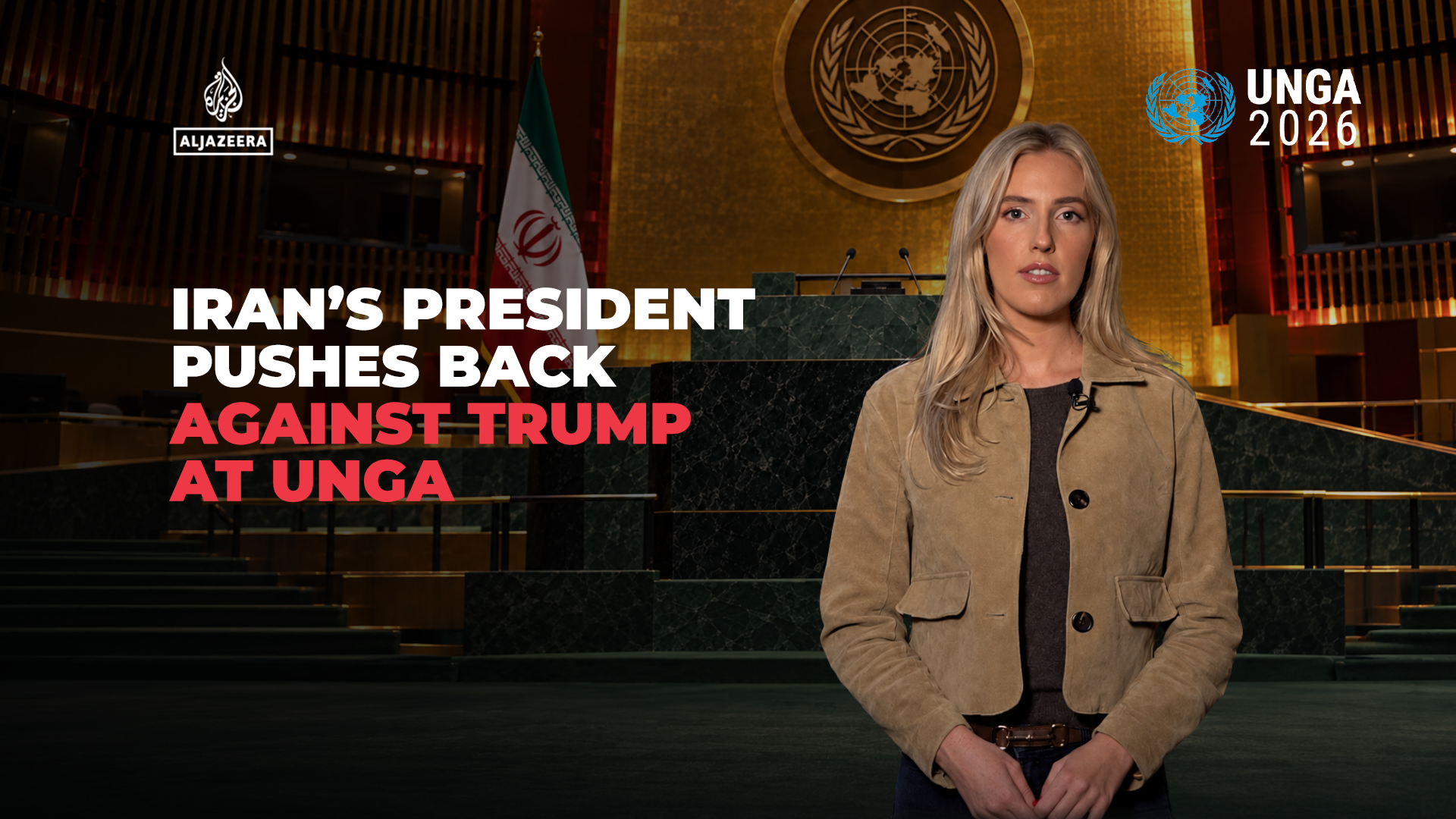
Iran’s president brought evidence of US strikes on civilians to the UN General Assembly following severe threats from US President Trump.
Source image: aljazeera.com
aljazeera.comGeopolitical Escalation at the United Nations
The geopolitical landscape experienced a sharp escalation as Iran’s president took the podium at the United Nations General Assembly (UNGA). During the address, the Iranian leader presented documentation and evidence concerning US military strikes on civilians. This high-profile confrontation unfolds against a backdrop of intense rhetoric, following US President Trump's explicit threat to 'annihilate' Iran.
The exchange highlights a deteriorating diplomatic framework between Washington and Tehran, raising alarms across international bodies. By bringing visual and documentary proof to an international forum, Iran's leadership aimed to garner global sympathy and challenge the legitimacy of US military actions in the region.
Implications for Global Markets and Energy Security
For executives, investors, and entrepreneurs, geopolitical friction in the Middle East carries immediate economic repercussions. The region remains a vital artery for global energy supply chains and maritime trade routes. Heightened rhetoric and potential military posturing directly influence crude oil volatility, shipping insurance premiums, and investor sentiment.
Key market implications include:
- Energy Price Volatility: Threats of total annihilation and direct confrontations increase the risk premium on oil and gas markets, threatening inflationary pressures globally.
- Supply Chain Disruption: Key shipping lanes near the Iranian coastline face heightened surveillance and security risks, potentially delaying international logistics.
- Investor Risk Aversion: Capital flows may pivot toward safe-haven assets as institutional investors reassess geopolitical exposure in emerging and Middle Eastern markets.
Strategic Outlook and What to Watch
As this diplomatic crisis unfolds, market participants and business leaders must maintain a vigilant stance. The rhetoric from both Washington and Tehran signals that diplomatic off-ramps are narrowing, increasing the probability of secondary economic sanctions or localized military friction.
Investors should closely monitor several key indicators moving forward:
- Official Diplomatic Statements: Watch for any multilateral interventions by European or Asian allies attempting to de-escalate tensions.
- Energy Market Movements: Track crude oil futures and shipping freight rates for early signals of supply chain anxiety.
- Regulatory and Sanctions Updates: Anticipate potential tightening of economic restrictions by the US and its allies.
For verifiable details and ongoing updates regarding this address, readers can review the original coverage at Al Jazeera.
Continue reading
Related coverage in Economy
aljazeera.com
Funeral Held in Occupied West Bank Amid Ongoing Regional Economic Pressures
A funeral was held in the occupied West Bank for a Palestinian man recently killed, highlighting ongoing regional tensions impacting local stability and markets.
2 min read
aljazeera.com
Kenyan Filmmaker Challenges Legacy Tea Plantations in New Documentary
A new documentary by a Kenyan filmmaker sheds light on the historical legacies and ongoing systemic issues within Kenya's colonial-era tea plantations.
2 min read
aljazeera.com
ICC Terminates French Insurer Contract Amid US Sanctions Threat
The International Criminal Court has ended its agreement with French insurer Axa following mounting US criticism and looming financial restrictions.
2 min read
aljazeera.com
Analysis of Palestinian Children in Israeli Military Detention and Economic Impact
An examination of Palestinian children in Israeli military detention, highlighting its humanitarian context and broader geopolitical and economic implications.
2 min read