Intel Retires Its Iconic 'Fellow' Title After 44 Years, Signaling a New Era of Accountability for Technical Elites
Intel has retired its prestigious Fellow title after 44 years, replacing it with designations that tie technical expertise directly to measurable business outcomes.
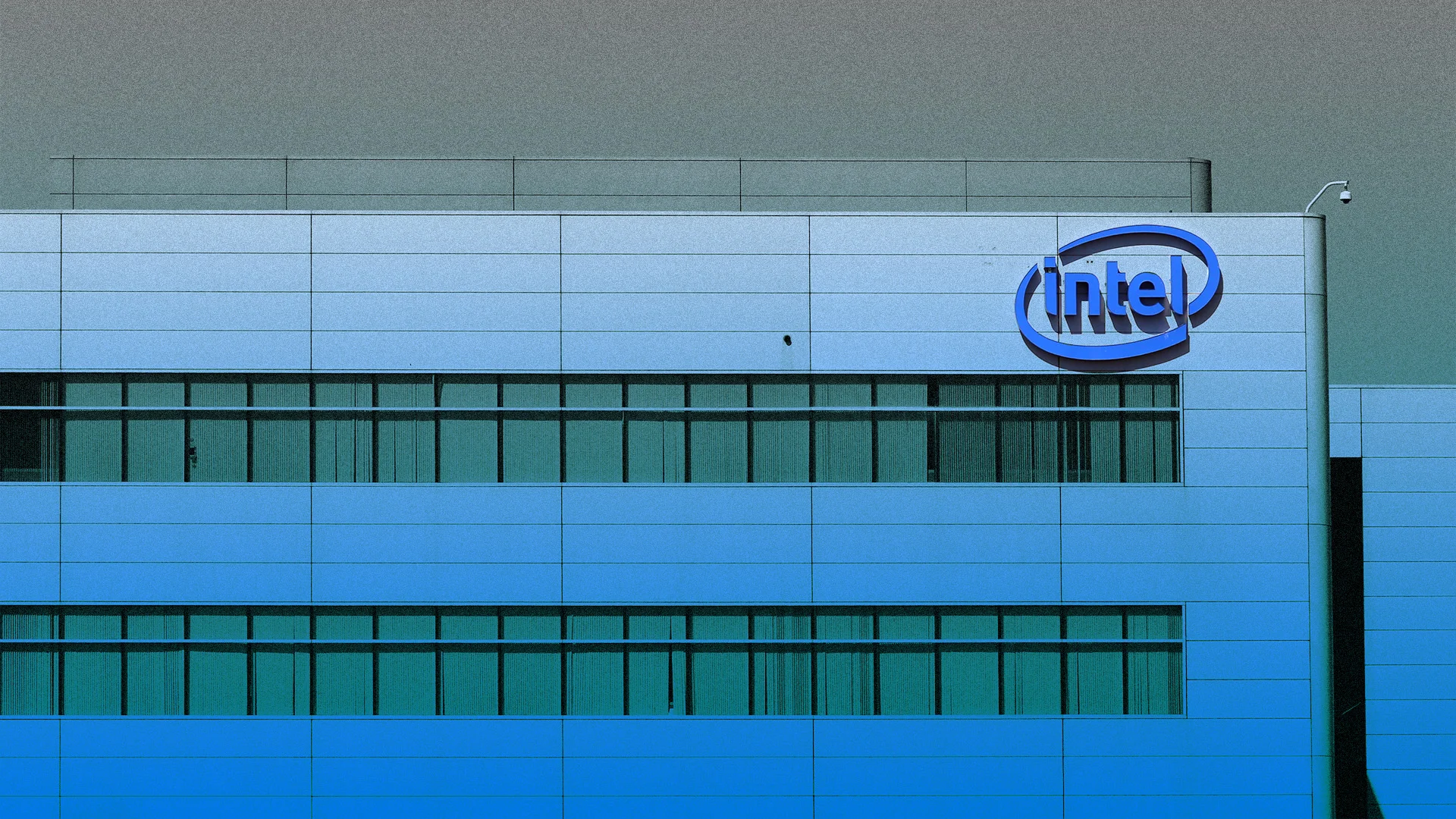
Source image: inc.com
inc.comThe End of an Era for Intel's Technical Elite
In a move that signals a seismic shift in corporate philosophy, semiconductor giant Intel has officially retired its prestigious Fellow and Senior Fellow designations after nearly half a century. Established in 1980, the 'Fellow' title was long regarded as the highest honor a scientist, researcher, or engineer could achieve at the company, carrying immense status, autonomy, and resources comparable to corporate vice presidents.
Under a newly implemented corporate hierarchy communicated to staff by Chief Technology Officer Pushkar Ranade, those positions have been systematically rebranded as Distinguished Engineer and Senior Distinguished Engineer. While Intel has emphasized that the transition does not alter base compensation, the structural and cultural implications are profound. The reclassification is not merely semantic; it represents a fundamental rewiring of what the corporation expects from its top technical minds.
Why Technical Brilliance Alone Is No Longer Enough
For decades, elite technical fellowships across Silicon Valley operated much like academic tenure. Brilliant innovators could spend years or even decades solving complex physics or architectural bottlenecks without necessarily worrying about immediate commercialization timelines or P&L statements. Intel’s leadership pivot explicitly closes the door on that era.
In his internal memo to employees, CTO Pushkar Ranade underscored that future corporate success requires a hybrid breed of leader. “The future of Intel will be determined by leaders who combine deep domain expertise with outstanding problem-solving ability, creative innovation with disciplined execution, and an expansive and strategic vision with measurable tactical progress,” Ranade wrote.
Key pillars of this new mandate include:
- Direct Commercial Alignment: Senior technical experts are now explicitly expected to tie their innovations to bottom-line business results.
- Disciplined Execution: Long-term theoretical research must be balanced with strict tactical milestones and delivery schedules.
- Operational Accountability: Technical leaders are being nudged out of ivory towers to take ownership of broader organizational and strategic goals.
Market Implications and Corporate Restructuring
This internal rebranding arrives against the backdrop of aggressive restructuring under leadership seeking to slash bloated operational layers, accelerate decision-making, and redirect capital toward high-stakes artificial intelligence and advanced foundry manufacturing. Having endured massive global workforce reductions and financial re-engineering over recent years, Intel is shedding legacy operating procedures that are perceived as slow or insular.
By aligning its nomenclature with industry peers like IBM, Microsoft, and Google—which utilize distinguished engineering tracks—Intel is attempting to foster a culture of agile accountability. However, market analysts and industry insiders note that the shift risks demoralizing core research teams if the pursuit of short-term metrics suffocates the blue-sky innovation required for generational semiconductor breakthroughs.
What Investors and Executives Should Watch
For investors, corporate leaders, and entrepreneurs monitoring Intel's turnaround trajectory, this restructuring offers critical signals:
- Execution Velocity: Monitor whether the newly designated Distinguished Engineers can successfully accelerate product roadmaps, particularly in cutting-edge node developments and AI accelerators.
- Cultural Retention: Watch for potential talent drain if top-tier researchers feel overly constrained by corporate bureaucracy and a relentless focus on short-term tactical returns.
- Industry Precedent: Evaluate how other legacy hardware and software firms respond as the boundary between pure technical research and commercial product management continues to dissolve.
Ultimately, Intel's abandonment of its historic title is a clear warning to technical professionals across the global economy: past prestige and specialized experience are no longer shields against the demand for continuous, measurable value creation. In the modern corporate landscape, even the most elite experts must prove their worth on the ledger sheet.
Continue reading
Related coverage in Business
nytimes.com
David Ellison Targets CNN Leadership Continuity in Paramount Merger Talks
David Ellison is currently negotiating to retain CNN CEO Mark Thompson without oversight from CBS editor in chief Bari Weiss as parent companies navigate merger plans.
2 min read
bbc.com
Decoding Nike’s Slump: How Strategic Missteps Cost the Sportswear Titan Its Edge
Explore the factors behind Nike's dramatic market decline. Industry analysts dissect the self-inflicted strategic errors that shook the sportswear giant.
3 min read
bbc.com
Treasury Committee Directs HMRC to Investigate Tax Implications of Manchester City Case
The UK Treasury Committee has called on HMRC to closely examine potential tax ramifications arising from the high-profile Manchester City legal verdict.
3 min read
nytimes.com
US Imposes Sanctions on Russian Firm A7 Over Global Shell Company Evasion Schemes
The United States targets Russian financial firm A7 with new sanctions following reports of utilizing global shell companies to bypass existing economic restrictions.
3 min read