Institutional Capital Reshapes Agribusiness as Six-Generation Tree Fruit Giant Files for Bankruptcy
The Chapter 11 filing of a historic Washington cherry and apple titan highlights systemic financial strains across the agricultural sector, as institutional capital steps in to reshape family farming.
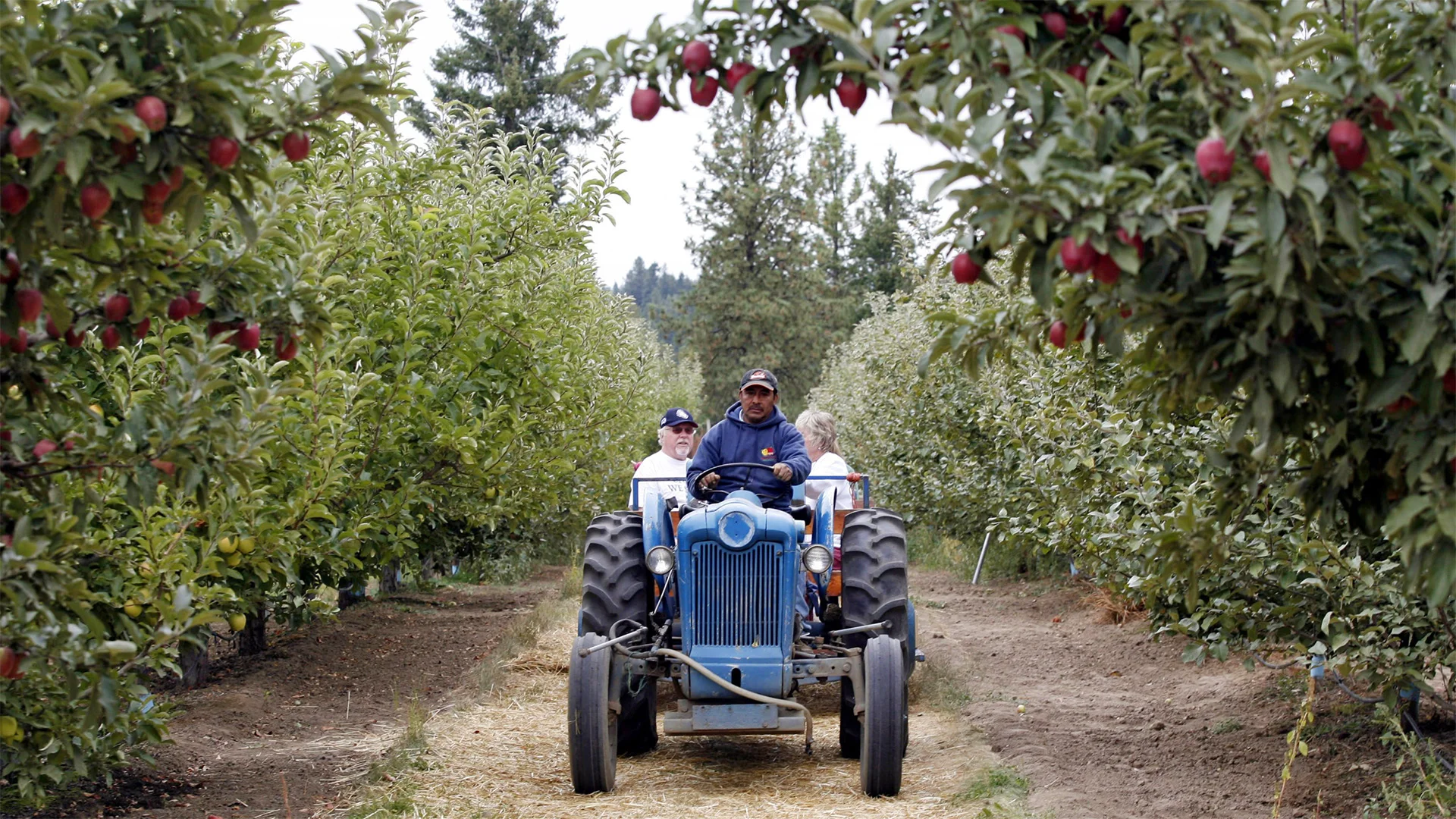
Source image: inc.com
inc.comThe Fall of an Agribusiness Dynasty
For more than a century, the Gebbers family name was synonymous with dominance in the Pacific Northwest fruit industry. Operating out of Okanogan County, Washington, the enterprise scaled into a massive, vertically integrated empire, famously recognized as one of the largest cherry and apple producers globally. However, the economic reality of modern agriculture caught up with the dynasty. Burdened by hundreds of millions of dollars in debt and squeezed by historic margin contractions, the company's lead affiliate filed for Chapter 11 bankruptcy protection.
According to court filings, the enterprise struggled under the weight of roughly $225 million owed to primary lenders. When lending institutions conditioned further credit on immediate restructuring or asset sales, leadership faced a narrowing corridor of options. Initial attempts to secure private recapitalization failed, leaving a court-supervised sale as the sole viable path forward to maintain business continuity and protect thousands of seasonal and full-time agricultural jobs.
Macroeconomic Headwinds and Margin Squeeze
The collapse of a titan like Gebbers Farms is not an isolated corporate failure; it is indicative of profound systemic stress within the agricultural sector. Over recent cycles, Washington state orchard operators have faced an unprecedented convergence of headwinds:
- Escalating Input Costs: Dramatic increases in the prices of fertilizer, fuel, packaging materials, and equipment have severely eroded net operating margins.
- Labor Pressures: Rising minimum wages, combined with the immense costs of housing and transporting thousands of seasonal H-2A guest workers from Mexico and Jamaica, pushed monthly payroll obligations to staggering heights.
- Stagnant Wholesale Pricing: Despite ballooning production expenses, wholesale market returns for apples and cherries failed to keep pace, leaving growers with some of the lowest take-home pay rates in decades.
- Capital Structure Mismatches: High-interest debt acquired during expansion phases became unserviceable as cash flows constricted under the weight of oversupplied regional crop yields.
The Rise of Institutional Consolidation
As traditional family-owned farms grapple with liquidity crises, institutional capital is aggressively stepping in to pick up core assets at a discount. The designated stalking-horse buyer for the orchard portfolio is tied to institutional asset management infrastructure backed significantly by public pension capital, such as the Washington State Investment Board. This dynamic highlights an ironic twist: public employee retirement funds are increasingly financing the corporate roll-up and consolidation of local family farmland.
This transaction structure signals a permanent structural evolution in American farming. Capital-intensive operations require deep balance sheets that multi-generational families often cannot sustain through prolonged agricultural downturns. Consequently, private equity and specialized agricultural investment funds are transforming independent farming regions into consolidated, corporate-managed food production powerhouses.
Market Implications and Investor Watchlists
For institutional investors, private equity managers, and industry observers, this bankruptcy serves as a crucial barometer for the broader agribusiness landscape. Key indicators to monitor moving forward include:
- Valuation Multiples on Farmland: Watch whether distress in orchard operations triggers a broader repricing of premium agricultural real estate across the Pacific Northwest.
- Proprietary Varietal Control: Note how exclusive rights to high-margin, club-breed fruit varieties (such as proprietary apples) are transferred and monopolized by consolidated entities.
- Labor Cost Mitigation Strategies: Observe how institutional owners deploy automation, advanced sorting technology, and streamlined supply chain logistics to squeeze efficiencies out of distressed agricultural assets.
- Pension Exposure to Ag-Tech and Ag-Land: Evaluate the growing allocation mandates of public pension funds toward private agricultural assets as traditional fixed-income yields fluctuate.
Ultimately, the restructuring of Brewster Heights Packing & Orchards marks the end of an era for independent family-led mega-farming in Washington. As institutional capital solidifies its grip on the sector, the future of domestic fruit production will be defined by corporate scale, balance sheet resilience, and aggressive asset optimization.
Continue reading
Related coverage in Rankings
bbc.com
Thames Water Issues Apology Following Major £145,000 Billing Error
Thames Water has issued a formal apology to a family after a severe customer billing mistake totaling £145,000, highlighting ongoing operational challenges.
3 min read
bbc.com
UK Engages EU Allies Over Emergency Diesel Stock Release Amid US Export Ban Threats
The UK is in talks with European partners to potentially release strategic fuel reserves as US President Donald Trump threatens a diesel export ban to curb domestic prices.
3 min read
bbc.com
Travelodge Under Fire After Review Reveals Systemic Safety Failures and Room Intrusions
A damning independent review reveals Travelodge failed a sexual assault victim at every turn, with unauthorized room intrusions still plaguing one in ten hotels.
3 min read
bbc.com
Trump's AI Rebrand Sparks Unprecedented Demand for Slovenian Domain Names
Donald Trump's proposed rebrand of artificial intelligence to super intelligence, or SI, has triggered a massive surge in demand for Slovenian website domains.
2 min read