Inside Sky Zone’s Dual-Targeting Playbook: How the Entertainment Giant Wins Both Kids and Parents
Discover how indoor entertainment leader Sky Zone mastered split-audience marketing by targeting Gen Alpha kids for desire and parents for friction-free purchasing.
Source image: inc.com
inc.comDecoding the Multi-Generational Marketing Matrix
In the modern landscape of family entertainment, brands face a unique structural hurdle: the ultimate consumer is rarely the economic buyer. Children dictate preferences, curate trends, and fuel demand, while parents hold the purse strings, evaluate logistics, and demand absolute convenience. Navigating this divide has traditionally forced marketers into compromise, diluting creative messaging to satisfy both demographics simultaneously. However, indoor entertainment pioneer Sky Zone has dismantled this convention with a masterclass in bifurcated campaign execution.
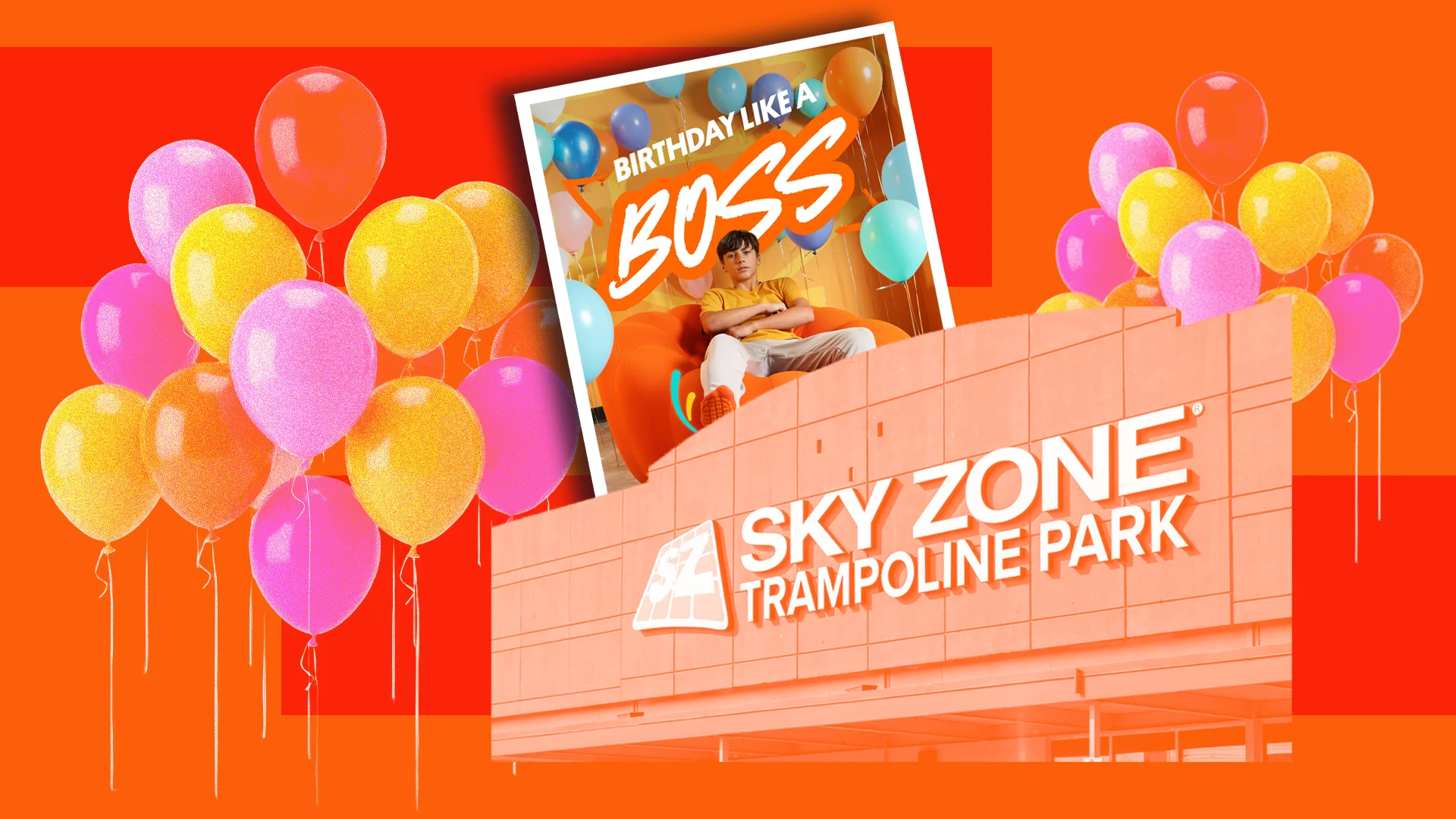
Through its recent strategic initiatives, most notably the “Birthday Like a Boss” campaign, Sky Zone successfully engineered a blueprint that treats the child and the parent as two entirely distinct markets while utilizing a unified creative ecosystem. For executives and brand strategists, this approach offers a critical study in modern consumer psychology, proving that hyper-targeted messaging can coexist under a single corporate umbrella without creating brand confusion.
The Anatomy of the Dual-Channel Strategy
The core innovation behind Sky Zone’s recent market push lies in its refusal to craft a homogenous message. Recognizing that Gen Alpha children consume media differently than their millennial or Gen X parents, the brand deployed a sophisticated, multi-channel distribution model anchored by a single foundational asset: a high-energy, 30-second hip-hop music video featuring peer performers.
- Kid-Facing Distribution: The youth-oriented portion of the campaign was funneled through digital touchpoints and influencers, such as party ambassador The Rizzler, validating the experience through peer status and social proof.
- Parent-Facing Positioning: Conversely, adult-facing channels emphasized low-friction logistics, framing the party package as a seamless, stress-free solution for busy caregivers seeking premium, memory-making experiences.
- Product-Messaging Alignment: The physical service offering was upgraded concurrently with the marketing push, ensuring that the "boss" narrative was backed by tangible perks like exclusive swag, priority treatment, and public recognition inside the park.
Market Implications for the Experiential Economy
The commercial results of this strategy have sent ripples across the broader leisure and retail sectors. With an astounding 91 percent of post-launch bookings opting for upgraded, premium packages, Sky Zone demonstrated that families are increasingly willing to pay a premium for heightened emotional resonance and social validation. In an economy where experiential spending consistently outperforms discretionary retail goods, brands that successfully give younger demographics 'main character energy' while offering parents administrative relief capture a disproportionate share of wallet.
Furthermore, this campaign underscores the fading efficacy of traditional, top-down advertising. By opening up the brand narrative and allowing digital creators and young consumers to shape how the product is perceived, Sky Zone transitioned from a legacy amusement venue to an active cultural participant. For enterprise leadership, the takeaway is clear: brand protection no longer means rigid control; it means building a flexible framework that invites consumer co-creation.
What Investors and Executives Should Watch
As the family entertainment sector matures, stakeholders must monitor several key operational shifts inspired by this marketing evolution:
- The Rise of Micro-Influencers in Family Verticals: Watch how entertainment brands leverage niche, child-friendly digital creators to bypass traditional television advertising entirely.
- Frictionless B2C Operations: Measure how effectively companies can scale administrative ease for parents while simultaneously driving high-impact excitement for children.
- Product Innovation Tied to Narrative: Analyze whether service-based businesses can continuously tie marketing hooks directly to on-site operational upgrades, boosting average order values (AOV).
Ultimately, Sky Zone’s playbook proves that understanding the psychological nuances of both the influencer and the payer can unlock extraordinary top-line growth. Companies that master this dual-target art will define the future of consumer engagement.
Continue reading
Related coverage in Business
nytimes.com
David Ellison Targets CNN Leadership Continuity in Paramount Merger Talks
David Ellison is currently negotiating to retain CNN CEO Mark Thompson without oversight from CBS editor in chief Bari Weiss as parent companies navigate merger plans.
2 min read
bbc.com
Decoding Nike’s Slump: How Strategic Missteps Cost the Sportswear Titan Its Edge
Explore the factors behind Nike's dramatic market decline. Industry analysts dissect the self-inflicted strategic errors that shook the sportswear giant.
3 min read
bbc.com
Treasury Committee Directs HMRC to Investigate Tax Implications of Manchester City Case
The UK Treasury Committee has called on HMRC to closely examine potential tax ramifications arising from the high-profile Manchester City legal verdict.
3 min read
nytimes.com
US Imposes Sanctions on Russian Firm A7 Over Global Shell Company Evasion Schemes
The United States targets Russian financial firm A7 with new sanctions following reports of utilizing global shell companies to bypass existing economic restrictions.
3 min read