Inside OpenClaw 2.0: The Massive Open-Source AI Overhaul Challenging Enterprise Autonomy
OpenClaw has rolled out its largest update ever in version 2.0, introducing multiplayer cloud sessions, SQLite memory storage, and streamlined deployment to take on enterprise AI rivals.
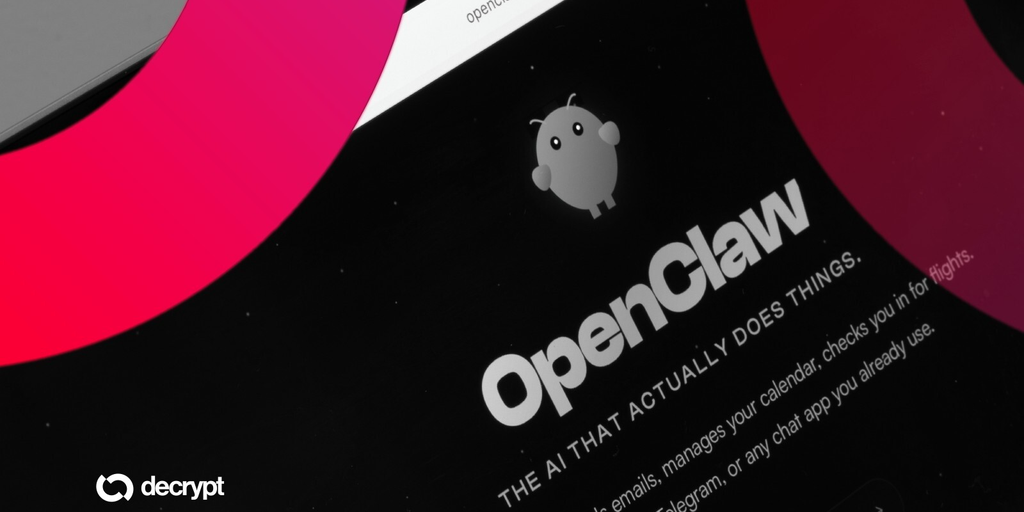
Source image: decrypt.co
decrypt.coA Watershed Moment for Open-Source Autonomous Agents
The open-source artificial intelligence ecosystem has reached a critical inflection point. Following an unprecedented seven-week development blackout that broke a streak of 106 rapid-fire releases, the OpenClaw Foundation has officially pulled back the curtain on OpenClaw 2.0. Billed as the most significant milestone in the project’s history, the update incorporates over 16,000 merged pull requests contributed by an army of 933 developers. For enterprise executives, institutional investors, and tech entrepreneurs tracking the commercialization of autonomous AI, this release represents a transition from experimental hobbyist tooling to robust, enterprise-grade architecture.
OpenClaw’s meteoric rise was accompanied by severe growing pains. The platform's rapid iteration cycle led to fragmented upgrade paths, steep setup curves, and security vulnerabilities that slowed enterprise adoption. Version 2.0 directly tackles these technical debt items by redesigning the user onboarding journey, establishing secure secret management systems, and introducing foundational infrastructure capable of scaling under heavy corporate workloads.
What Changed: Key Architectural and Feature Enhancements
The scope of OpenClaw 2.0 is sweeping, touching nearly every subsystem from the command-line interface to the browser-based control plane. The most critical modifications include:
- Frictionless Guided Onboarding: The new setup workflow automatically detects existing AI credentials, scanning local systems for active ChatGPT or Claude subscriptions, API keys, and local model instances running via Ollama or LM Studio.
- Multiplayer Cloud Sessions: Shifting beyond isolated chat instances, OpenClaw 2.0 introduces collaborative workspaces where team members can join active agent sessions, inject context, review draft actions, and seamlessly hand over tasks.
- SQLite Transcript and Memory Migration: Core session storage and transcripts have migrated to SQLite, replacing fragile file-backed storage and integrating native memory tools to streamline search and context retrieval.
- Enterprise Security and Credential Isolation: Addressing historical criticisms regarding safety, the platform introduces AES-256-GCM credential encryption, isolated pod architectures, and private secret requests that prevent API keys from leaking into model context or chat logs.
Why the Two-Month Hiatus Was Necessary
For a community accustomed to daily updates, the sudden halt in OpenClaw's release schedule fueled intense speculation. However, project maintainers explained that the slowdown was an intentional strategy to handle explosive growth. By the time development paused, the project was buckling under the weight of its own momentum, with incoming contributions outstripping the core infrastructure's capacity to safely integrate them.
Rather than pushing rapid patches that risked breaking mission-critical enterprise deployments, the core team utilized the window to rewrite foundational core components. This deliberate consolidation ensures that current adopters can transition smoothly without risking catastrophic data corruption—though users must execute specific database migrations, such as handling SQLite session transitions and updating legacy model route paths.
Stacking Up Against Hermes: The Battle for Market Share
OpenClaw 2.0 drops into a hyper-competitive landscape where alternative frameworks like the Nous Research-backed Hermes Agent have steadily captured market enthusiasm. While Hermes earned praise for its structured multi-layer security model and self-improving learning loops right out of the box, OpenClaw has historically triumphed on raw breadth, multi-model orchestration capabilities, and expansive plugin ecosystems.
With the release of 2.0, OpenClaw has aggressively closed the gap on user experience and safety. Features like optional 1Password broker integrations, granular capability previews for external plugins, and unified multi-model routing position OpenClaw as a more viable candidate for risk-averse corporate compliance officers who previously steered toward proprietary alternatives.
Market Implications and What Investors Should Watch
The maturation of autonomous agent frameworks signals a broader economic pivot. Enterprises are no longer satisfied with static chat interfaces; they demand active digital workers capable of monitoring inboxes, managing cloud workers, executing cross-platform workflows, and interfacing securely with internal APIs.
For investors, OpenClaw 2.0 validates the commercial viability of open-source AI infrastructure. As corporate adoption accelerates, value is expected to accrue toward platforms that successfully bridge the gap between open-source flexibility and enterprise-grade governance. Moving forward, stakeholders should monitor three key indicators: enterprise migration retention rates, the speed at which the developer ecosystem builds commercial plugins atop the 2.0 framework, and how competing projects like Hermes respond to OpenClaw's aggressive push into collaborative multi-agent execution.
Continue reading
Related coverage in Crypto
cointelegraph.com
Trump Schedules Third Memecoin Holder Dinner Amid Growing Corruption Scrutiny
President Trump is set to host his third exclusive memecoin dinner for top token holders at his Washington, DC golf club, drawing renewed ethical and market scrutiny.
3 min read
cointelegraph.com
50,000 Europeans Petition EU to Relax MiCA Stablecoin Reward Restrictions
A new 50,000-letter campaign is urging Brussels to ease stablecoin rewards restrictions during the MiCA review, aligning with broader central bank pushes.
2 min read
cryptonews.com
Dogecoin Eyes $1 Milestone as DogeOS Testnet Launch Sparks Utility Speculation
Dogecoin trades at $0.09447 as the DogeOS testnet goes live. Traders eye the $0.098 resistance and psychological $0.10 mark amid fresh utility potential.
2 min read
decrypt.co
Bitcoin Enters 'Uptober' Amid Fed Rate Hike Pressures and 5.3% Treasury Yields
Bitcoin enters its historically strongest month following a record September, yet rising Federal Reserve rate hike fears and 5.3% Treasury yields present major hurdles.
2 min read