Inside Grüns' Meteoric $1.2 Billion Acquisition by Consumer Giant Unilever
Discover how functional wellness disrupter Grüns scaled to a $1.2 billion valuation and secured an extraordinary buyout from Unilever in under three years.
Source image: inc.com
inc.comThe Blueprint Behind a Record-Breaking Consumer Goods Exit
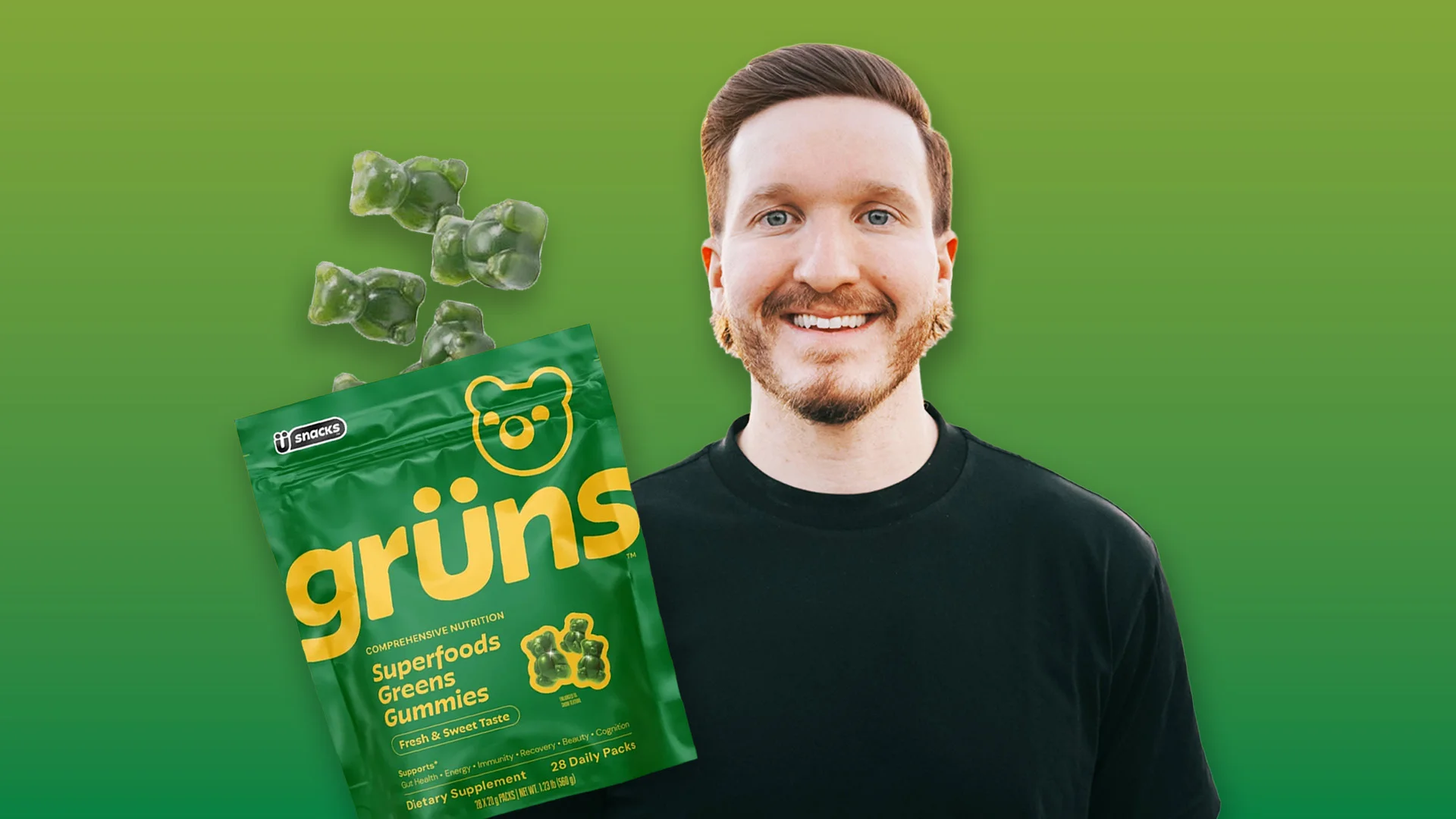
In the fast-paced ecosystem of consumer packaged goods (CPG), a billion-dollar acquisition typically requires a decade of calculated retail expansion, heavy capital outlays, and steady market penetration. However, wellness disruptor Grüns shattered industry norms by securing a monumental $1.2 billion acquisition agreement with global conglomerate Unilever in less than three years of operation. Spearheaded by founder and former private equity investor Chad Janis, the company successfully redefined how modern consumers approach daily nutrition.
Rather than attempting to reinvent biological science with obscure active ingredients, Janis identified a glaring psychological and behavioral bottleneck in the multi-billion-dollar wellness market: adherence. While legacy greens powders and multivitamin pills routinely suffered from poor user retention due to unpalatable textures and inconvenient preparation, Grüns packaged its comprehensive blend of organic superfoods, vitamins, and prebiotics into an enjoyable, grab-and-go gummy format.
Strategic Drivers of Hyper-Growth
The meteoric rise of Grüns was powered by a calculated execution model that combined direct-to-consumer (DTC) acquisition loops with aggressive digital marketing and omnichannel retail distribution. Several critical factors propelled the brand's valuation:
- Solving the Adherence Problem: By achieving high daily compliance rates through an enjoyable product form factor, Grüns secured long-term consumer retention.
- DTC Subscription Engine: The business engineered a high-margin recurring revenue subscription model that optimized customer lifetime value (LTV).
- Rapid Retail Expansion: After dominating digital channels and social commerce platforms, Grüns rapidly scaled into thousands of major big-box brick-and-mortar storefronts, including Target, Walmart, and Sprouts.
- Capital Efficiency: Moving from a modest seed funding round to an annualized revenue run rate exceeding $300 million within 24 months, the company demonstrated exceptional capital velocity.
Market Implications for the CPG and Wellness Sectors
Unilever’s acquisition of Grüns underscores a broader strategic pivot among legacy multinational corporations. As traditional food and household segments face shifting consumer habits—including the rising adoption of GLP-1 weight-loss medications and a general migration toward preventative health—conglomerates are actively acquiring agile, digitally native brands to future-proof their portfolios.
For Unilever, absorbing Grüns bridges a critical strategic gap. Large CPG organizations have historically struggled to build organic, high-retention direct-to-consumer engagement engines internally. By acquiring Grüns—alongside its robust digital footprint and proven customer acquisition systems—Unilever inherits an institutional playbook that would have taken years to develop organically. This transaction validates the thesis that consumer habits anchored in daily wellness routines represent some of the most resilient economic moats in modern retail.
What Investors and Founders Should Watch
As the transaction moves toward final regulatory approval, industry stakeholders are closely monitoring several emerging trends within the wellness landscape:
- The Next Wave of Targets: Venture capitalists and private equity sponsors are actively scanning the market for high-retention functional nutrition brands exhibiting similar velocity, with independent players like Symbiotica frequently cited as potential acquisition candidates.
- Regulatory Scrutiny: With supplement brands enjoying rapid growth via social commerce and influencer marketing, future acquisitions will likely face heightened scrutiny regarding health claims and product efficacy.
- Post-Acquisition Execution: Market observers will evaluate whether Chad Janis, who is remaining on board as CEO, can successfully scale Grüns globally under Unilever's corporate umbrella without diluting the brand agility that drove its initial success.
Ultimately, the Grüns exit serves as a masterclass in modern venture building. By identifying a simple behavioral friction point, executing an airtight subscription framework, and scaling omnichannel distribution at breakneck speed, the company has set a new benchmark for what modern consumer brands can achieve in a compressed timeline.
Continue reading
Related coverage in Rankings
bbc.com
Thames Water Issues Apology Following Major £145,000 Billing Error
Thames Water has issued a formal apology to a family after a severe customer billing mistake totaling £145,000, highlighting ongoing operational challenges.
3 min read
bbc.com
UK Engages EU Allies Over Emergency Diesel Stock Release Amid US Export Ban Threats
The UK is in talks with European partners to potentially release strategic fuel reserves as US President Donald Trump threatens a diesel export ban to curb domestic prices.
3 min read
bbc.com
Travelodge Under Fire After Review Reveals Systemic Safety Failures and Room Intrusions
A damning independent review reveals Travelodge failed a sexual assault victim at every turn, with unauthorized room intrusions still plaguing one in ten hotels.
3 min read
bbc.com
Trump's AI Rebrand Sparks Unprecedented Demand for Slovenian Domain Names
Donald Trump's proposed rebrand of artificial intelligence to super intelligence, or SI, has triggered a massive surge in demand for Slovenian website domains.
2 min read