Inside Cutwater’s Meteoric Rise: How High-ABV Canned Cocktails Captured Gen Z and Accelerated Toward $1 Billion
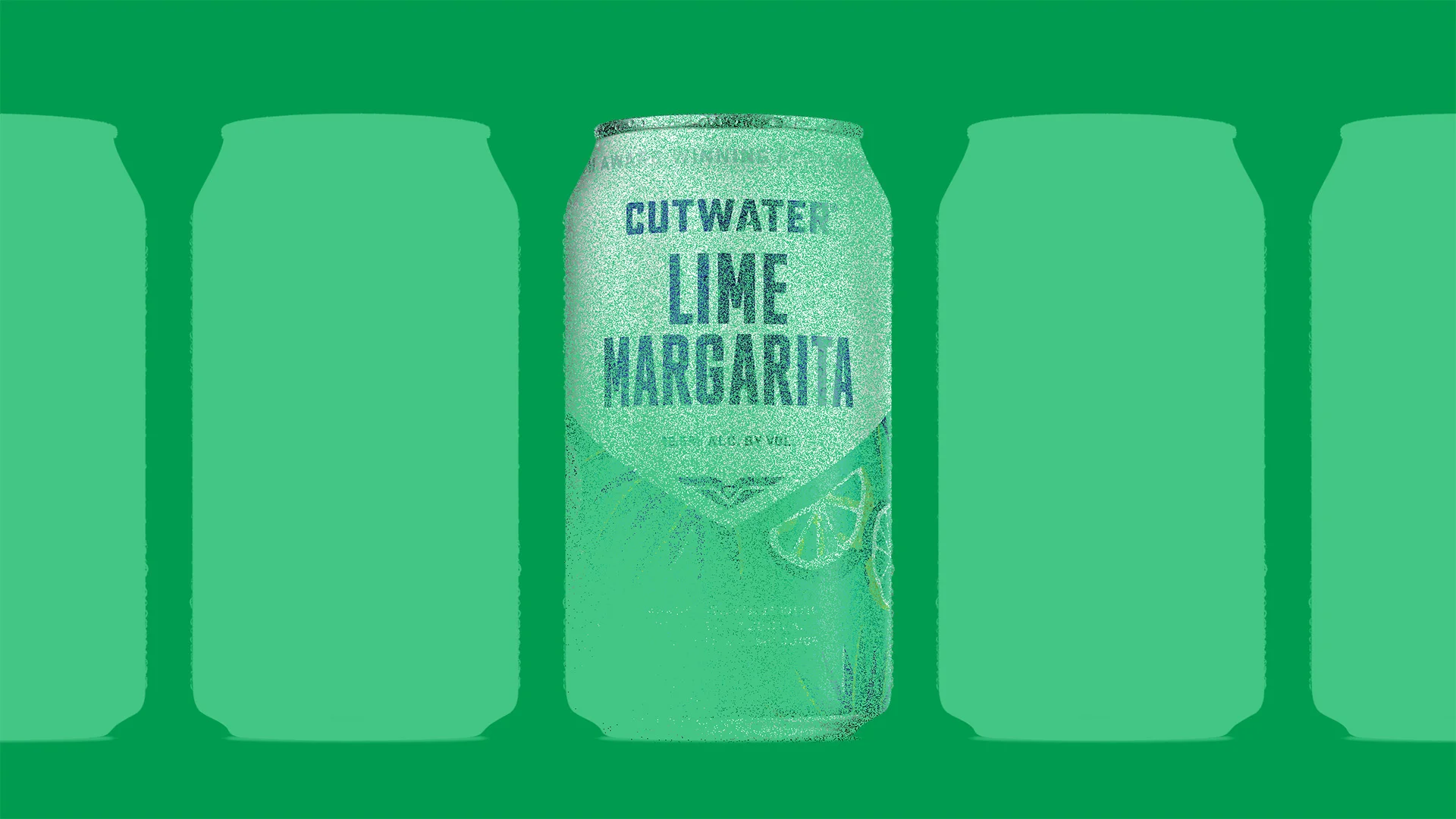
Despite broader industry slumps, Anheuser-Busch's Cutwater has emerged as the fastest-growing spirits brand among Gen Z, surging toward a $1 billion milestone.
Source image: inc.com
inc.comChallenging the Narrative on Gen Z Drinking Habits
For years, conventional wisdom and consumer research framed Generation Z as the most sober-leaning demographic in modern history. Industry analysts frequently predicted that younger legal-age drinkers would shun traditional spirits in favor of functional wellness beverages, non-alcoholic craft beers, and low-ABV options. However, recent data from leading market intelligence firms like Morning Consult and IWSR completely upend that narrative. Gen Z adults are consuming alcohol at rates roughly comparable to older generations—approximately 74 percent partake—but their product preferences diverge sharply from historical norms.
Rather than opting for standard domestic beers or complicated mixology ingredients, Gen Z consumers are gravitating toward ready-to-drink (RTD) canned cocktails. At the epicenter of this shift is Cutwater Spirits, a brand that has rapidly outpaced competitors to claim the title of the fastest-growing spirits brand within this demographic. Posting massive double-digit gains in purchasing consideration, Cutwater is rewriting the playbook for modern alcohol marketing and consumer engagement.
The Appeal of Potent Convenience: Why High-ABV Wins
What sets Cutwater apart in an increasingly crowded RTD marketplace is its unapologetic embrace of high alcohol-by-volume (ABV) content. While many hard seltzers hover around a modest 4 to 5 percent ABV, Cutwater’s expansive portfolio features canned cocktails containing anywhere from 7 to 13 percent alcohol. Prominently stamped with guarantees of containing multiple shots of real spirits, these beverages deliver a potent kick that resonates strongly with younger consumers seeking maximum value and efficiency from their social experiences.
The brand's flavor innovation strategy has played an instrumental role in maintaining this momentum. Moving far beyond standard lime margaritás and vodka sodas, Cutwater offers eclectic variations including Espresso Martinis, Long Island Iced Teas, Pumpkin Spice White Russians, and Banana Mudslides. This willingness to lean into bold, unconventional, and occasionally chaotic flavor profiles has helped the brand achieve viral status across social media platforms like TikTok, where users frequently document the surprising potency of the drinks.
Corporate Strategy and Parent Company Impact
For parent company Anheuser-Busch InBev, which acquired Cutwater in 2019, the brand has transformed into a premier growth engine within its expanding "Beyond Beer" portfolio. As traditional beer volumes face mature or declining trajectories globally, high-margin RTD spirits have become vital to sustaining top-line expansion. Executive leadership has noted that Cutwater has acted as a primary dollar-share gainer across the entire U.S. spirits landscape, scaling rapidly toward the coveted $1 billion annual revenue threshold.
To support this unprecedented demand, Anheuser-Busch has poured significant capital into scaling production capacity, upgrading supply chains, and executing targeted marketing campaigns. Strategic investments include high-profile sports partnerships spanning major leagues like the NFL, NBA, PGA, and MLB, alongside cultural collaborations designed to cement the brand's footprint during peak summer and social hosting seasons.
Market Implications and What Investors Should Watch
Cutwater’s ascent underscores a broader structural transformation within the global beverage alcohol industry. Investors and entrepreneurs should closely monitor several critical factors moving forward:
- Regulatory Scrutiny on High-ABV RTDs: As canned cocktails pack increasingly higher alcohol concentrations into single-serving containers, public health advocates and regulators may scrutinize marketing practices and tax classifications relative to traditional malt beverages.
- Supply Chain and Margin Resilience: Scaling a spirits-based portfolio requires sophisticated management of raw alcohol inputs, aluminum packaging costs, and distribution networks, making operational efficiency paramount for maintaining profitability.
- Consumer Fatigue and Flavor Saturation: Given the rapid proliferation of new SKUs and novelty flavors in the RTD segment, maintaining long-term brand loyalty beyond initial viral marketing trends will be a key test for sustained growth.
Ultimately, Cutwater's triumph over traditional category constraints proves that consumer demand for bold, high-convenience products remains robust. For industry executives, the brand serves as a masterclass in identifying whitespace, scaling rapidly through targeted demographic engagement, and defying conventional market wisdom.
Continue reading
Related coverage in Business
nytimes.com
David Ellison Targets CNN Leadership Continuity in Paramount Merger Talks
David Ellison is currently negotiating to retain CNN CEO Mark Thompson without oversight from CBS editor in chief Bari Weiss as parent companies navigate merger plans.
2 min read
bbc.com
Decoding Nike’s Slump: How Strategic Missteps Cost the Sportswear Titan Its Edge
Explore the factors behind Nike's dramatic market decline. Industry analysts dissect the self-inflicted strategic errors that shook the sportswear giant.
3 min read
bbc.com
Treasury Committee Directs HMRC to Investigate Tax Implications of Manchester City Case
The UK Treasury Committee has called on HMRC to closely examine potential tax ramifications arising from the high-profile Manchester City legal verdict.
3 min read
nytimes.com
US Imposes Sanctions on Russian Firm A7 Over Global Shell Company Evasion Schemes
The United States targets Russian financial firm A7 with new sanctions following reports of utilizing global shell companies to bypass existing economic restrictions.
3 min read