Inside Apple’s Strategic Shift: Why the Sudden Rush on Mac Hardware Signals a New Era for Local AI
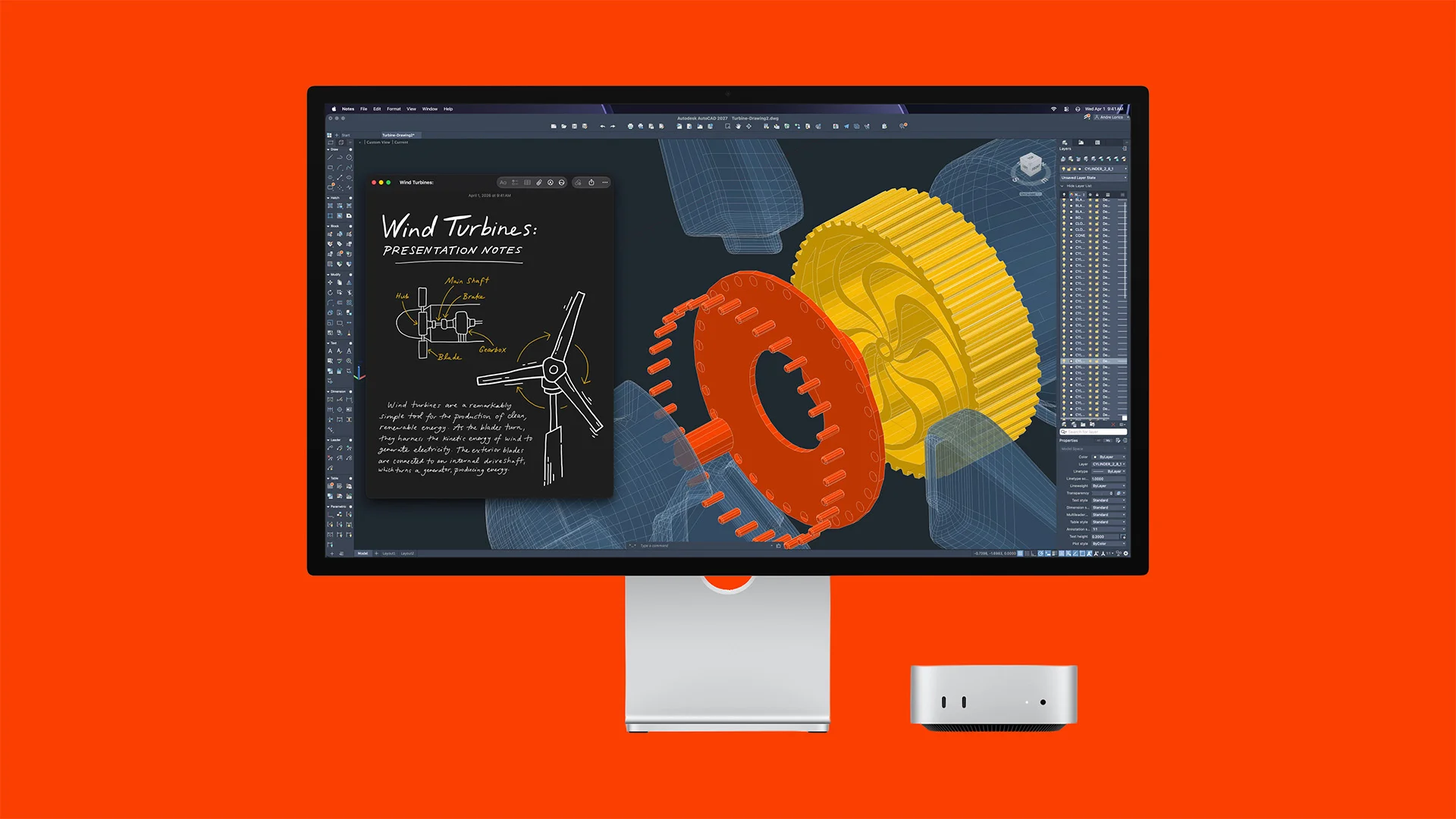
Apple’s uncharacteristic early release of the Mac mini and Mac Studio highlights an unexpected corporate rush: businesses and developers are snapping up local AI hardware to bypass soaring cloud costs.
Source image: inc.com
inc.comBreaking Tradition for a Silicon Surge
Apple is historically one of the most disciplined and predictable consumer electronics giants on the planet, meticulously orchestrating product lifecycles around key seasonal windows. That is precisely why industry watchers were caught off guard when Cupertino pushed out updated configurations for the Mac mini and Mac Studio ahead of its traditional September hardware showcase . According to insiders and recent supply-chain telemetry, the deviation from standard protocol was not an accident of calendar planning; it was a forced reaction to an extraordinary market phenomenon.
Enterprise tech buyers, independent developers, and artificial intelligence researchers are draining inventory channels faster than Apple can replenish them. The core driver behind this buying frenzy is a radical shift in how businesses choose to deploy generative intelligence models. Rather than relying exclusively on third-party data centers or leasing expensive cloud-based compute from major tech conglomerates, organizations are increasingly turning to local, on-premise hardware solutions .
The Economics of Local AI Infrastructure
For the past few years, the narrative surrounding enterprise AI has been dominated by massive cloud architectures, subscription-based API models, and data centers consuming staggering amounts of energy. However, as recurring enterprise expenses scale upward, corporate financial officers are recalculating the total cost of ownership. Subscribing to commercial large language model tiers can create unpredictable, runaway overhead for growing businesses.
Apple’s desktop ecosystem—specifically anchored by high-end Apple Silicon chips and expansive unified memory configurations—presents a compelling financial alternative. A one-time capital expenditure on a high-performance Mac Studio or a cluster of Mac minis offers a predictable, fixed cost . More importantly, it delivers absolute data privacy. Companies running sensitive proprietary code, financial records, or medical data locally eliminate the security risks inherent in transmitting confidential files to external cloud servers.
Technical Superiority and Market Implications
The technical specifications of the refreshed Mac hardware directly address historical bottlenecks in edge-computing intelligence. Apple’s latest proprietary processors feature dramatically accelerated neural engine throughput and high-bandwidth unified memory pools, allowing complex large language models to reside entirely within local RAM . Benchmarks indicate that these desktop units handle intensive prompt processing multiple times faster than previous generations, turning compact desktop form factors into formidable local processing units .
- Capital Efficiency: Replacing ongoing cloud utility fees with a single hardware investment improves multi-year financial forecasting.
- Data Sovereignty: Local hosting ensures complete compliance with stringent corporate and international privacy regulations.
- Latency Reduction: Eliminating round-trip network transit times to cloud server farms optimizes real-time workflow automation.
- Clustered Scalability: Advanced buyers are beginning to network multiple Apple desktop units together, forming desktop-class compute clusters for specialized workloads .
What Executives and Investors Should Watch
This unexpected hardware demand wave offers vital lessons for broader technology markets. First, it demonstrates that edge computing and local AI deployment are maturing much faster than anticipated, signaling potential headwinds for pure-play cloud infrastructure providers if enterprise migration accelerates. Second, it underscores the growing enterprise utility of Apple’s silicon strategy, positioning macOS not merely as a creative professional tool, but as a serious enterprise server and developer appliance.
For investors, the key metric moving forward will be enterprise segment growth within Apple’s hardware divisions and the corresponding emergence of software tools designed specifically to optimize local model deployment on unified memory architectures. As corporate budgets tighten and data privacy concerns intensify, the blueprint for artificial intelligence infrastructure is shifting away from centralized monoliths toward distributed, localized power.
Continue reading
Related coverage in Business
nytimes.com
David Ellison Targets CNN Leadership Continuity in Paramount Merger Talks
David Ellison is currently negotiating to retain CNN CEO Mark Thompson without oversight from CBS editor in chief Bari Weiss as parent companies navigate merger plans.
2 min read
bbc.com
Decoding Nike’s Slump: How Strategic Missteps Cost the Sportswear Titan Its Edge
Explore the factors behind Nike's dramatic market decline. Industry analysts dissect the self-inflicted strategic errors that shook the sportswear giant.
3 min read
bbc.com
Treasury Committee Directs HMRC to Investigate Tax Implications of Manchester City Case
The UK Treasury Committee has called on HMRC to closely examine potential tax ramifications arising from the high-profile Manchester City legal verdict.
3 min read
nytimes.com
US Imposes Sanctions on Russian Firm A7 Over Global Shell Company Evasion Schemes
The United States targets Russian financial firm A7 with new sanctions following reports of utilizing global shell companies to bypass existing economic restrictions.
3 min read