Inside Abu Dhabi’s Strategic Stake in World Liberty Financial’s Banking Ambitions
Disclosures reveal UAE-linked investors control a 49% stake in World Liberty Financial’s planned trust bank, intensifying oversight on crypto and foreign capital.
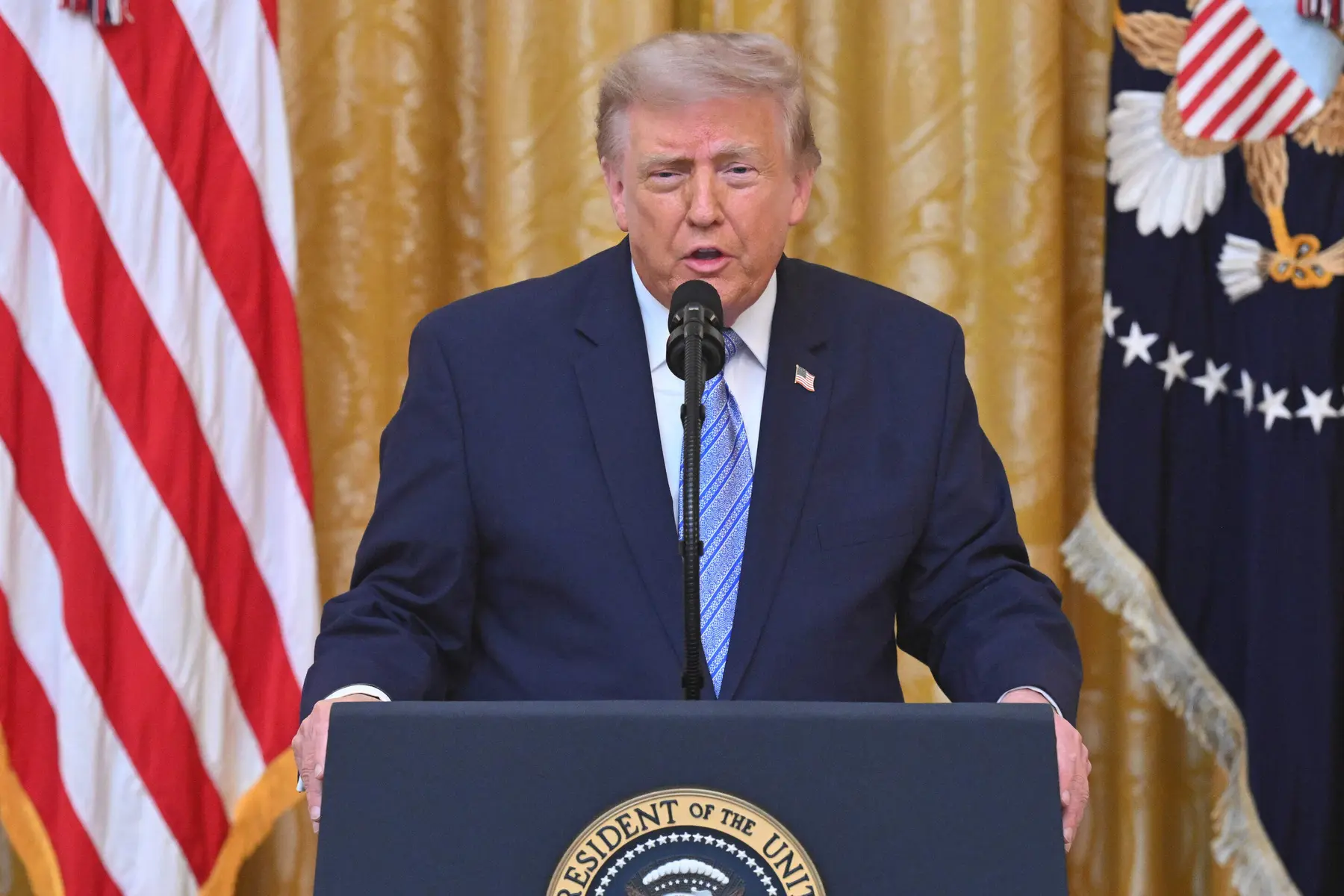
Source image: cryptonews.com
cryptonews.comThe Anatomy of a Sovereign Crypto Venture
Recent financial reporting has cast a sharp spotlight on the ownership architecture powering World Liberty Financial’s banking aspirations. According to disclosures regarding WLTC Holdings—the corporate vehicle formed to operate the newly conditional-approved World Liberty Trust Company—entities tied to Abu Dhabi royal and UAE National Security Adviser Sheikh Tahnoon bin Zayed Al Nahyan hold a commanding 49% equity stake. Meanwhile, an entity affiliated with the Trump family commands approximately 38% of the holding company. This arrangement cements a multi-hundred-million-dollar financial pipeline connecting Middle Eastern state-linked capital directly to high-profile U.S. decentralized finance and stablecoin infrastructure.
The structure builds upon earlier maneuvers that saw Sheikh Tahnoon-backed funds inject substantial capital into World Liberty Financial. With the OCC granting preliminary conditional approval for a national trust bank charter, the stakes have shifted from speculative token generation to federally supervised financial operations. The proposed institution is designed to manage the core mechanics of the USD1 stablecoin, handling massive flows of tokenized liquidity, reserves, and digital asset custody.
Regulatory Safeguards and the Passivity Paradox
To secure preliminary clearance from federal banking regulators, key stakeholders within the holding company were required to execute passivity letters. These legal covenants explicitly restrict major investors—including foreign sovereign-linked entities and political affiliates—from exerting direct day-to-day control or managing the operational decisions of the trust bank.
However, institutional investors and legal scholars remain skeptical regarding how effectively passivity agreements can insulate domestic financial entities from foreign geopolitical leverage. Critics and congressional watchdogs have repeatedly questioned whether minority ownership thresholds fully mitigate potential conflicts of interest, especially when paired with broader sovereign technology and financial agreements between Washington and the UAE.
Market Implications for Stablecoins and Digital Banking
The convergence of traditional federal banking oversight and politically charged crypto ventures carries profound implications for the broader digital asset ecosystem:
- Stablecoin Centralization: As USD1 seeks to solidify its position among leading dollar-pegged assets, institutional backing from sovereign wealth networks provides unmatched liquidity depth but invites heightened regulatory compliance costs.
- Cross-Border Precedents: The integration of Gulf state capital into federally chartered crypto trusts sets a unique precedent for how foreign sovereign funds may enter the regulated U.S. financial architecture.
- Legislative Fallout: The ongoing scrutiny surrounding World Liberty Financial risks complicating broader congressional efforts to pass comprehensive digital asset market structure and stablecoin bills.
What Investors Should Watch
For institutional allocators, venture capitalists, and market participants, several critical milestones will dictate the viability and long-term sentiment surrounding the project. First, observers must monitor whether World Liberty Trust Company can satisfy the stringent pre-opening operational conditions demanded by the OCC before final authorization is granted. Second, any shifting political dynamics in Washington—including ongoing congressional inquiries into foreign ownership disclosures—could introduce sudden headline volatility for associated tokens and equity valuations. Finally, tracking the circulation growth and institutional adoption metrics of the USD1 stablecoin will reveal whether regulatory cloudiness dampens real-world utility.
Continue reading
Related coverage in Crypto
cointelegraph.com
Trump Schedules Third Memecoin Holder Dinner Amid Growing Corruption Scrutiny
President Trump is set to host his third exclusive memecoin dinner for top token holders at his Washington, DC golf club, drawing renewed ethical and market scrutiny.
3 min read
cointelegraph.com
50,000 Europeans Petition EU to Relax MiCA Stablecoin Reward Restrictions
A new 50,000-letter campaign is urging Brussels to ease stablecoin rewards restrictions during the MiCA review, aligning with broader central bank pushes.
2 min read
cryptonews.com
Dogecoin Eyes $1 Milestone as DogeOS Testnet Launch Sparks Utility Speculation
Dogecoin trades at $0.09447 as the DogeOS testnet goes live. Traders eye the $0.098 resistance and psychological $0.10 mark amid fresh utility potential.
2 min read
decrypt.co
Bitcoin Enters 'Uptober' Amid Fed Rate Hike Pressures and 5.3% Treasury Yields
Bitcoin enters its historically strongest month following a record September, yet rising Federal Reserve rate hike fears and 5.3% Treasury yields present major hurdles.
2 min read