How Warner Bros.’ Attempted Tax Write-Off Backfired Into a Masterclass in Free Publicity
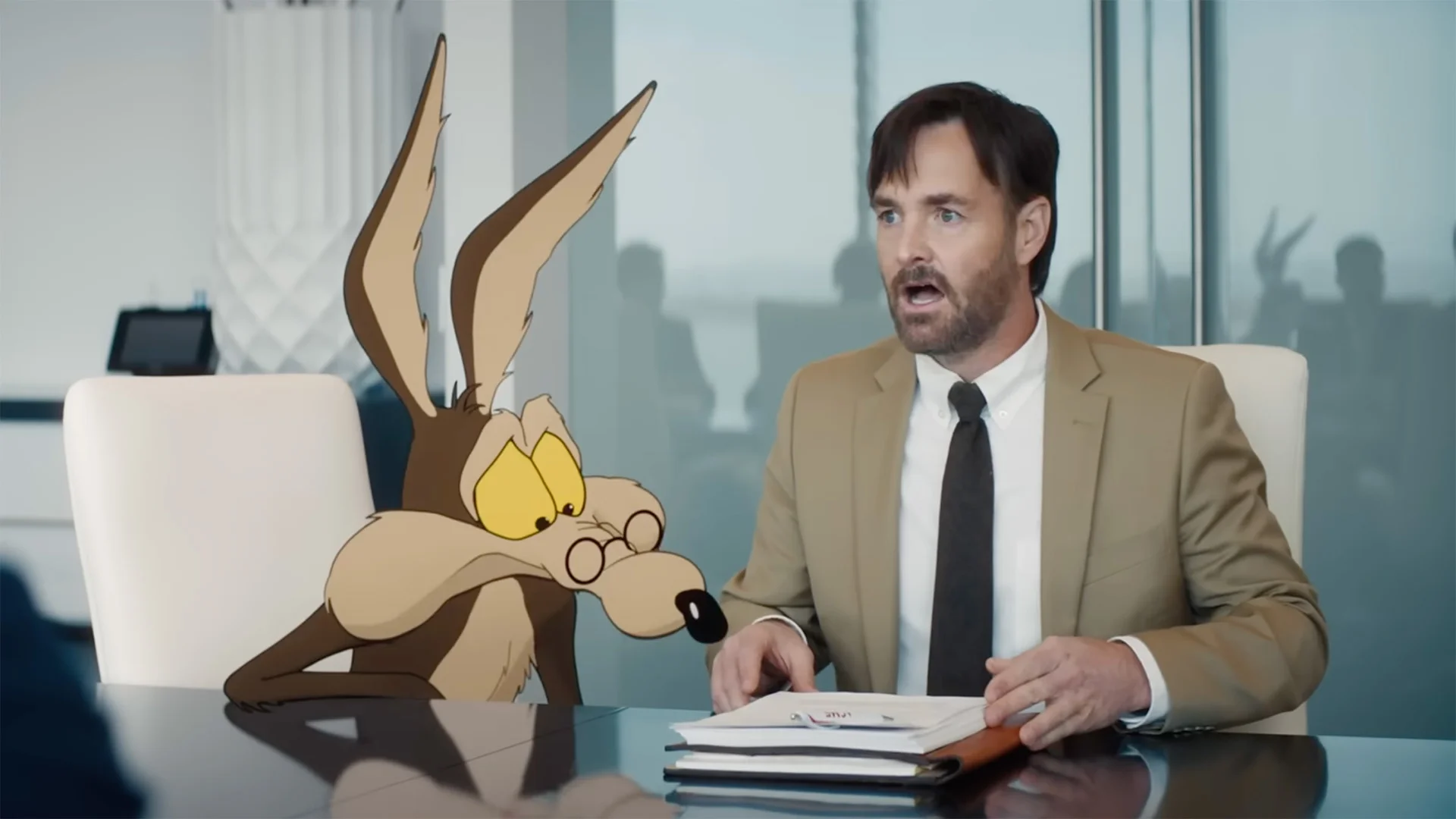
Shelved for a tax write-off three years ago, Coyote vs. Acme defied corporate burial to become a box office reality, fueled by unprecedented industry backlash.
Source image: inc.com
inc.comThe Anatomy of a Corporate Shelving Decision
In late 2023, the entertainment industry was rocked when Warner Bros. Discovery announced it would permanently bench Coyote vs. Acme—a fully completed, high-budget hybrid live-action and animated feature starring Will Forte and John Cena. Driven by executive strategies to offset financial liabilities through aggressive tax write-offs following corporate restructuring, the studio opted to lock away a marketable asset rather than distribute it. For financial analysts and studio executives, the move initially appeared to be a cold, calculated accounting maneuver designed to secure immediate short-term balance sheet relief.
However, the strategy grossly underestimated the value of intangible assets like goodwill, creative morale, and public anticipation. The backlash was swift and severe, coming from industry unions, prominent filmmakers, and consumers alike. The decision to bury a completed film not only alienated top-tier creative talent who feared their work meeting a similar fate, but it also activated a wave of organic media attention that money simply cannot buy.
The Pivot: Monetizing Outrage and the Ketchup Entertainment Acquisition
Recognizing the unprecedented public outcry and potential legal and reputational damage, Warner Bros. made the rare concession to allow producers to shop the film to external buyers. After months of negotiations, independent distributor Ketchup Entertainment stepped in, acquiring the worldwide rights for approximately $50 million. This transaction effectively rescued the film from corporate oblivion and set the stage for a theatrical rollout.
What followed was an extraordinary marketing campaign that leaned entirely into the movie's near-death experience. Promotional materials and trailers brilliantly weaponized the corporate absurdity of the situation, featuring meta-commentary that joked about the film being released for accounting purposes. By turning its own corporate controversy into the primary hook, the distribution team achieved what millions in traditional ad spend struggle to accomplish: authentic cultural relevance and viral intrigue.
Market Implications for Media Conglomerates
The successful theatrical debut of Coyote vs. Acme forces a rigorous re-evaluation of the tax write-off playbook utilized by major media conglomerates. While shelving content can provide immediate tax benefits, this case study proves that the strategy carries substantial hidden costs:
- Reputational Damage: Alienating creative partners can lead to a long-term loss of top-tier talent and future project pipelines.
- Asset Undervaluation: Writing off completed projects forfeits potential downstream revenue streams, including theatrical box office, streaming licensing, and merchandise.
- Strengthening Independents: Facilitating the sale of shelved assets empowers mid-tier and independent distributors to acquire viable commercial content at a discount.
What Investors and Executives Should Watch Moving Forward
As media companies navigate ongoing profitability pressures and streaming ecosystem maturation, investors must look beyond simple cost-cutting metrics. The financial success of Coyote vs. Acme demonstrates that consumer demand for finished creative assets remains resilient, and the market increasingly penalizes heavy-handed corporate suppression.
Stakeholders should closely monitor how major studios structure future production contracts regarding tax-shelter clauses and intellectual property reclamation. If independent buyers continue to successfully monetize major studio cast-offs, executive boards may think twice before sacrificing completed creative capital for short-term accounting gains.
Continue reading
Related coverage in Business
nytimes.com
David Ellison Targets CNN Leadership Continuity in Paramount Merger Talks
David Ellison is currently negotiating to retain CNN CEO Mark Thompson without oversight from CBS editor in chief Bari Weiss as parent companies navigate merger plans.
2 min read
bbc.com
Decoding Nike’s Slump: How Strategic Missteps Cost the Sportswear Titan Its Edge
Explore the factors behind Nike's dramatic market decline. Industry analysts dissect the self-inflicted strategic errors that shook the sportswear giant.
3 min read
bbc.com
Treasury Committee Directs HMRC to Investigate Tax Implications of Manchester City Case
The UK Treasury Committee has called on HMRC to closely examine potential tax ramifications arising from the high-profile Manchester City legal verdict.
3 min read
nytimes.com
US Imposes Sanctions on Russian Firm A7 Over Global Shell Company Evasion Schemes
The United States targets Russian financial firm A7 with new sanctions following reports of utilizing global shell companies to bypass existing economic restrictions.
3 min read