How Terry Steiner Capitalized on Hollywood’s Blind Spot to Build an Entertainment Empire
Discover how entrepreneur Terry Steiner carved out a multi-million dollar niche by dominating the overlooked non-theatrical and in-flight entertainment market.
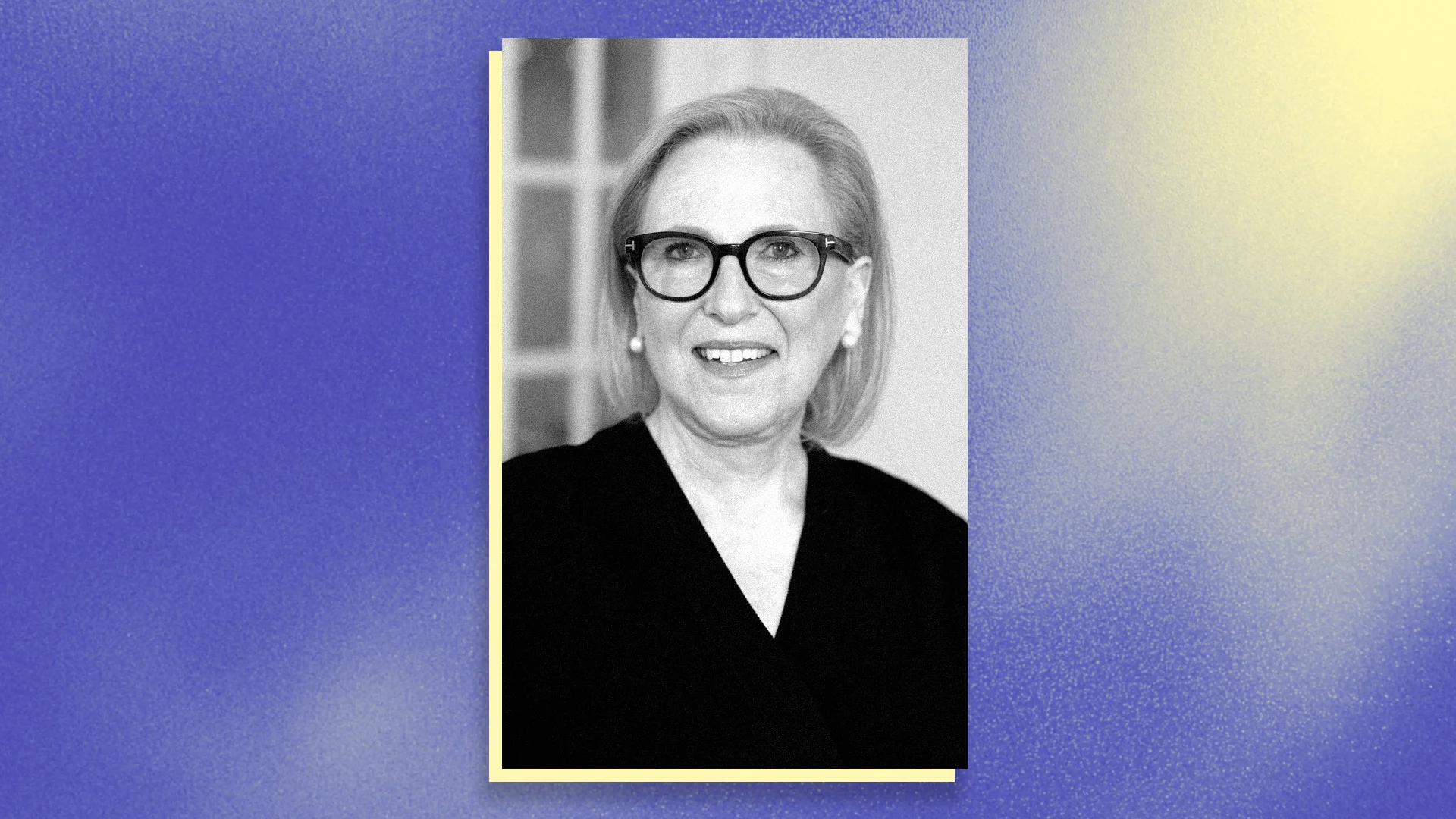
Source image: inc.com
inc.comThe Genesis of a Niche Media Powerhouse
When Terry Steiner entered the professional world, her path was far from predetermined. A brief stint in a banking training program quickly disillusioned her, setting off a search for a more dynamic career path that eventually landed her in the heart of the entertainment industry. After managing non-theatrical sales for Orion Pictures and holding media roles at major studios like MGM/UA and Paramount Pictures, Steiner recognized a glaring inefficiency in how major entertainment conglomerates distributed their content.
While Hollywood chased box office records and prime-time television ratings, massive secondary markets remained under-resourced and fragmented. In 1993, Steiner took a calculated risk that would define her professional legacy: she founded Terry Steiner International (TSI). Rather than competing directly with major theatrical distributors, Steiner chose to dominate the specialized non-theatrical sector, focusing primarily on commercial airlines and global transit networks.
Betting on Relationships and Capitalizing Without Venture Funding
Building a global enterprise without external venture capital is a rare feat in modern business. When Steiner decided to launch TSI, she approached the leadership at Orion Pictures with a proposition to start her own venture, securing them as her very first client. Armed with little more than her industry knowledge, her trusted assistant, a basic business plan, and profound relationships built over years of negotiation, she set out.
Conventional financial models projected that the startup would require three years of debt financing before hitting profitability. Defying expectations, TSI achieved profitability in its very first year of operation. This lean, relationship-driven approach allowed the company to scale organically, establishing trust with major content creators who needed a reliable conduit to monetize content outside traditional theatrical windows.
The Strategic Significance of Non-Theatrical Distribution
In today's media ecosystem, content monetization dictates corporate valuation. As streaming platforms saturate and traditional television viewership declines, alternative distribution channels have transformed from secondary revenue streams into critical profit centers. TSI's portfolio bridges top-tier content creators—including Amazon, MGM, AMC Networks, and Sony Music—with global platforms that capture captive audiences for hours at a time.
- Captive Audiences: In-flight entertainment provides advertisers and content owners with uninterrupted consumer attention, a rare commodity in the digital age.
- Global Reach: Specialized distributors bridge cultural and logistical gaps, ensuring localized content successfully reaches international travelers.
- Asset Longevity: Non-theatrical licensing extends the commercial lifecycle of movies, television series, documentaries, and podcasts long after their initial release windows close.
Market Implications for Media Investors
For institutional investors and media entrepreneurs, Steiner’s trajectory underscores a vital economic principle: riches often live in niches. While retail investors fixate on direct-to-consumer streaming wars and studio blockbusters, B2B infrastructure players quietly generate robust, predictable cash flows. Companies that master specialized logistics, rights management, and alternative distribution are insulated from the volatility of consumer-facing subscription churn.
Furthermore, as airlines and hospitality brands increasingly upgrade their passenger experience (PX) suites to differentiate themselves in a competitive travel market, the demand for high-grade, exclusive content continues to accelerate. Content aggregators who own these distribution pipelines possess formidable pricing power.
What Executives and Investors Should Watch
As the entertainment and travel sectors evolve, stakeholders should monitor several key indicators:
- Technological Integration: How seamlessly legacy distribution networks adapt to cloud-based content delivery and real-time streaming updates aboard aircraft.
- Content Diversification: The growing integration of podcasts, digital media shorts, and interactive programming alongside traditional feature films.
- Consolidation Trends: Whether major entertainment studios attempt to vertically integrate non-theatrical distribution or continue relying on specialized third-party experts like TSI.
Terry Steiner’s journey stands as a masterclass in modern entrepreneurship. By identifying an underserved market, safeguarding her independence, and executing with absolute operational discipline, she turned a Hollywood oversight into a global empire.
Continue reading
Related coverage in Business
nytimes.com
David Ellison Targets CNN Leadership Continuity in Paramount Merger Talks
David Ellison is currently negotiating to retain CNN CEO Mark Thompson without oversight from CBS editor in chief Bari Weiss as parent companies navigate merger plans.
2 min read
bbc.com
Decoding Nike’s Slump: How Strategic Missteps Cost the Sportswear Titan Its Edge
Explore the factors behind Nike's dramatic market decline. Industry analysts dissect the self-inflicted strategic errors that shook the sportswear giant.
3 min read
bbc.com
Treasury Committee Directs HMRC to Investigate Tax Implications of Manchester City Case
The UK Treasury Committee has called on HMRC to closely examine potential tax ramifications arising from the high-profile Manchester City legal verdict.
3 min read
nytimes.com
US Imposes Sanctions on Russian Firm A7 Over Global Shell Company Evasion Schemes
The United States targets Russian financial firm A7 with new sanctions following reports of utilizing global shell companies to bypass existing economic restrictions.
3 min read